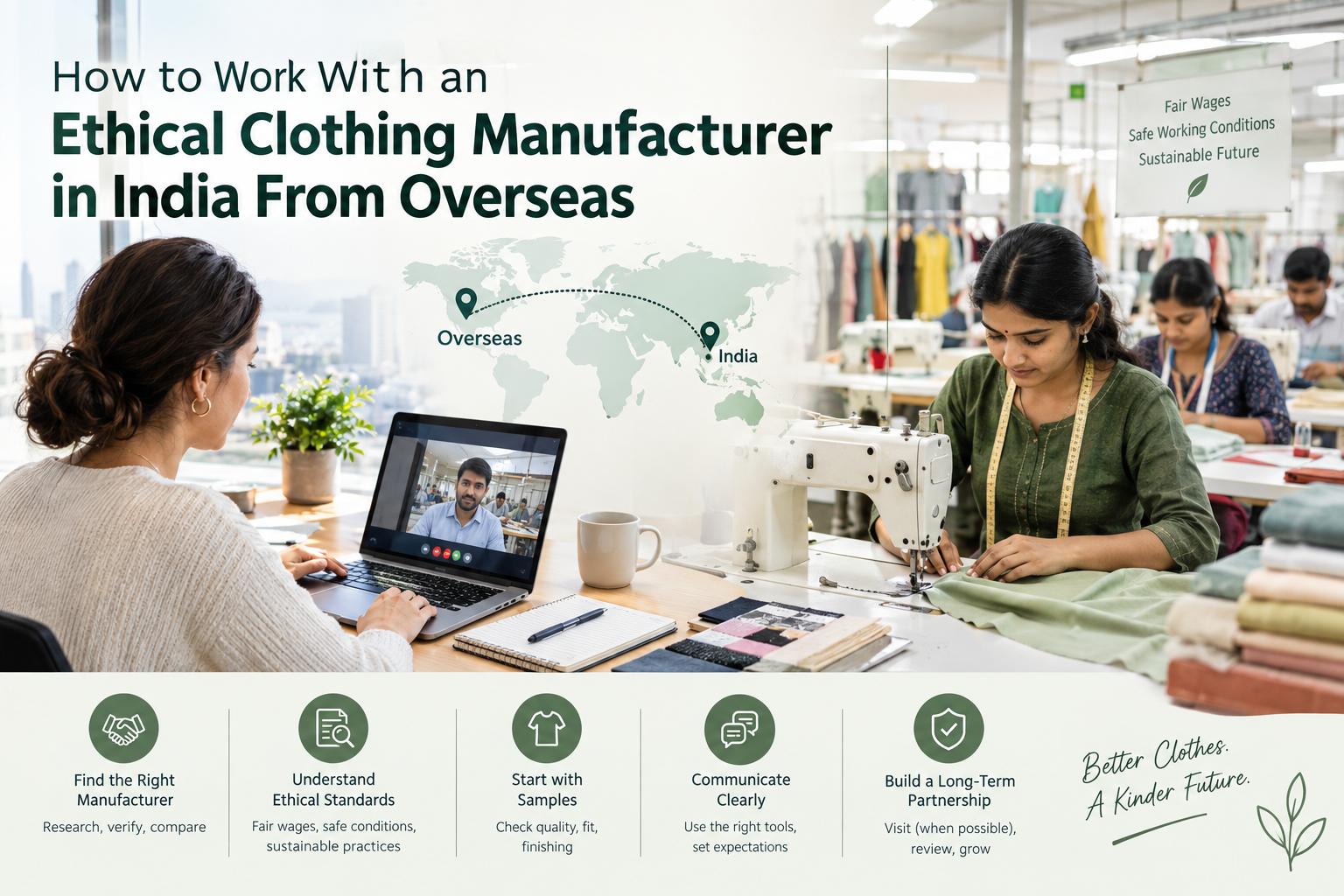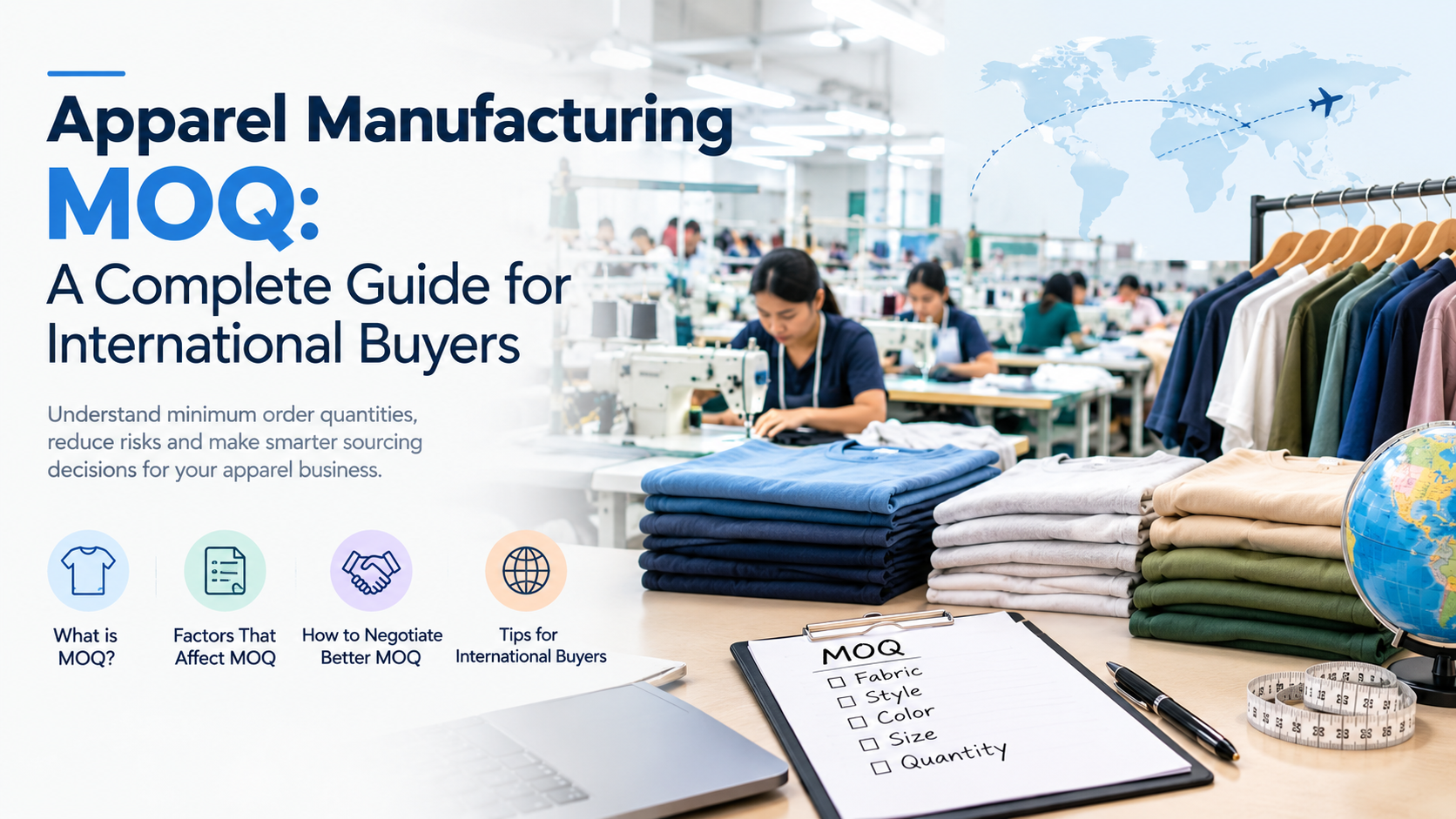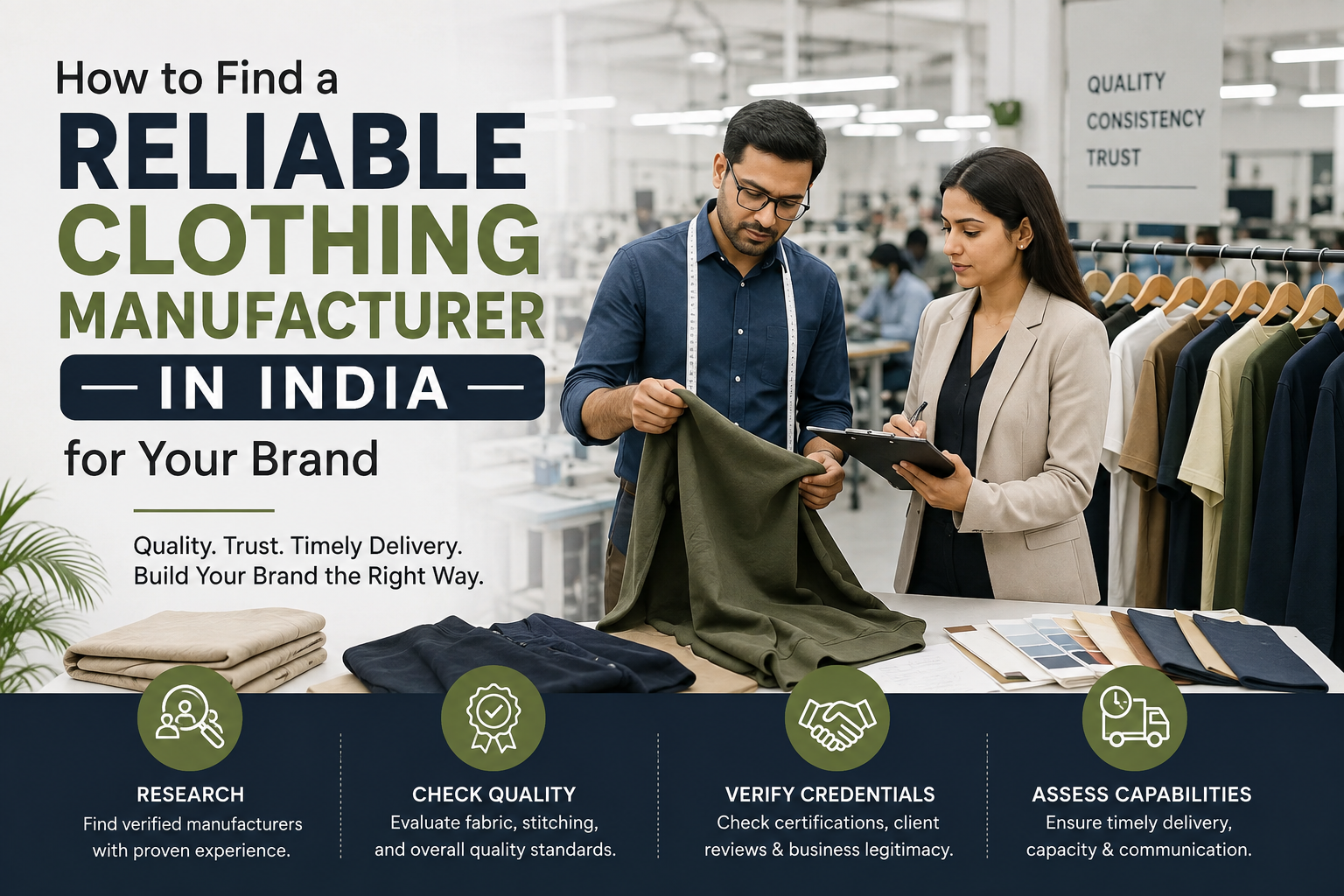

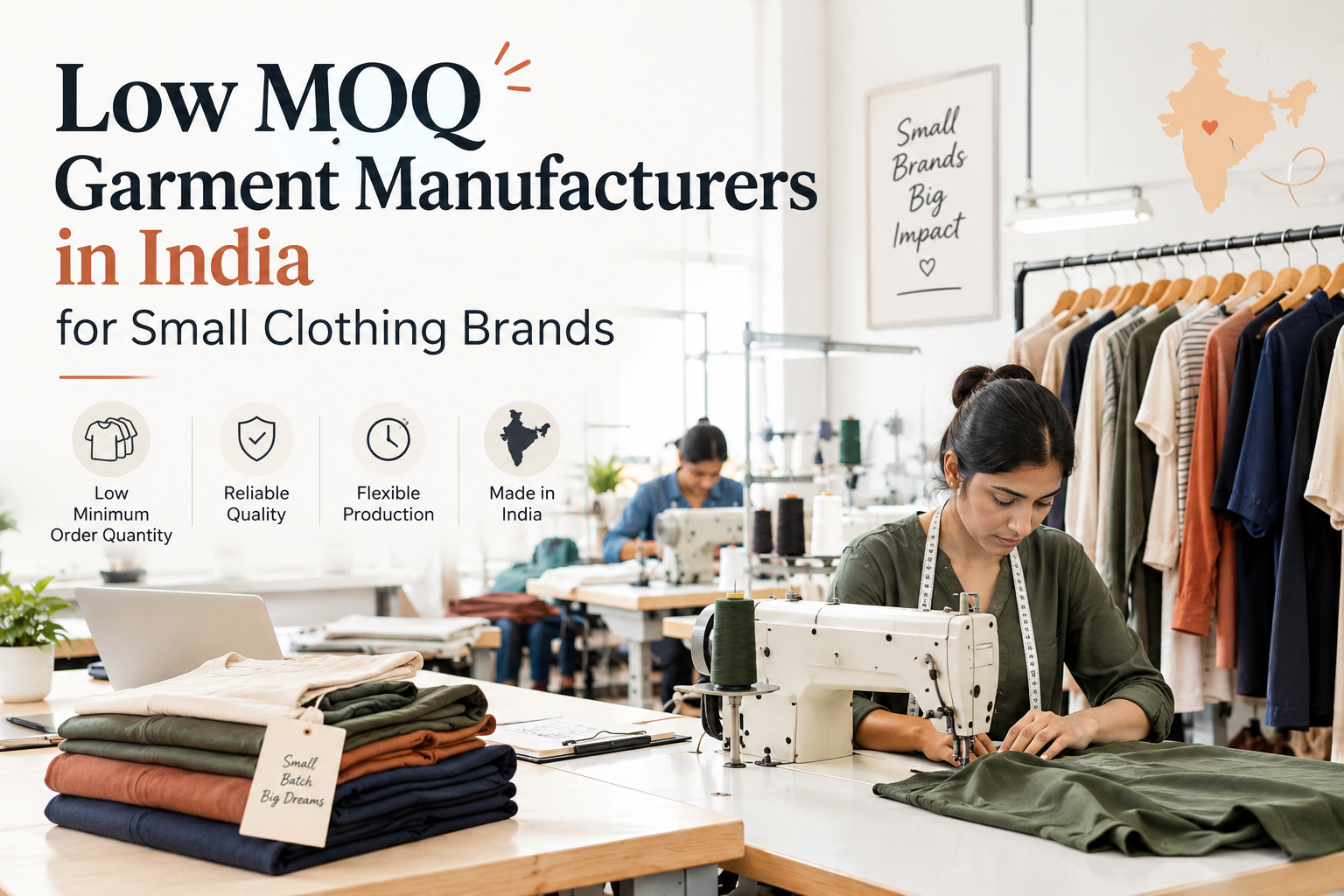
Starting a clothing brand requires more than creative designs and an understanding of fashion trends. Brands must also find the right manufacturing partner who can translate their ideas into well-made garments while managing production costs, inventory, and quality expectations. For startups and independent fashion labels, placing a large manufacturing order can be challenging because demand is not always predictable during the early stages of business. This is why low minimum order quantity (MOQ) manufacturing has become an important consideration for emerging clothing brands. By working with a manufacturer that offers suitable minimum order quantities, businesses can introduce new collections, test customer preferences, and develop their product range without immediately committing to large production volumes.
India has an established apparel manufacturing industry with capabilities across fabric sourcing, garment construction, dyeing, printing, finishing, and export production. International fashion businesses can explore different manufacturing options based on their product categories, fabric requirements, target markets, and order sizes. Finding the right apparel manufacturer India low MOQ option involves understanding more than the number of garments required per order. Brands should also evaluate sampling services, fabric availability, production capabilities, quality-control procedures, communication, and the manufacturer’s ability to support future growth. Echo Earth works within the sustainable apparel manufacturing space, making responsible material choices and manufacturing considerations relevant for brands exploring clothing production for international markets.
What Is Low MOQ Garment Manufacturing?
Minimum order quantity, commonly known as MOQ, refers to the smallest quantity a manufacturer is willing to produce for a particular order or product. In apparel manufacturing, MOQ may apply to an individual style, fabric color, size combination, printing method, or production batch. For example, a manufacturer might accept a smaller quantity for a basic cotton T-shirt made with readily available fabric but require a higher quantity for a custom-dyed garment that involves specialized materials and additional setup.
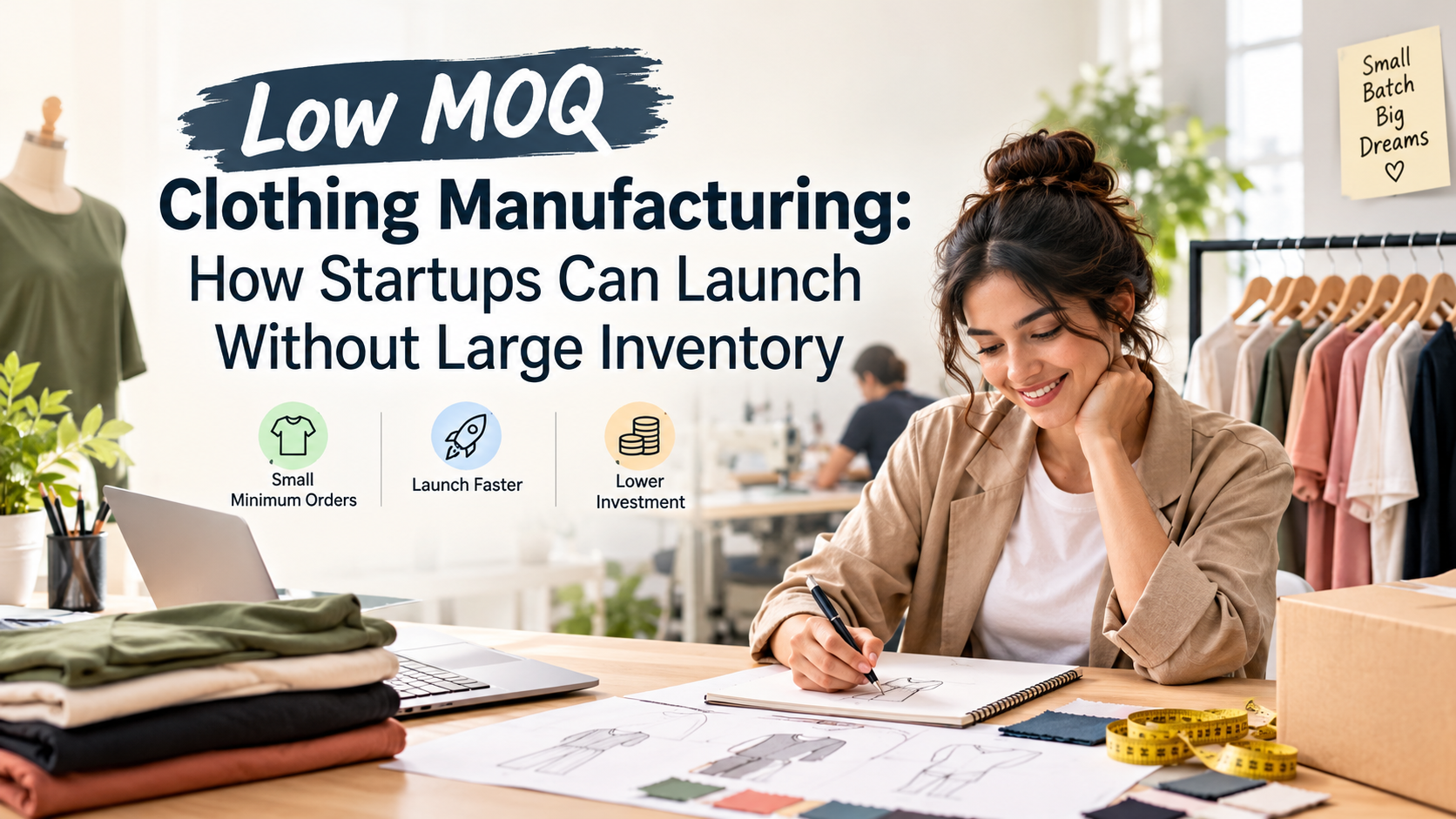
Low MOQ garment manufacturing allows small clothing brands to explore production without ordering thousands of garments at the beginning. It can be particularly useful for independent designers, online clothing stores, boutique labels, and businesses launching their first private-label collections. However, low MOQ does not necessarily mean the lowest price per garment. Smaller production runs can involve higher unit costs because fabric procurement, machine setup, sampling, and other production expenses are distributed across fewer pieces.
For this reason, brands should evaluate the overall value of a manufacturing arrangement instead of comparing suppliers solely by minimum quantities. A suitable partner should explain its MOQ requirements clearly and help buyers understand how fabric selection, garment complexity, printing, embroidery, and customization affect the final order.
Why Small Clothing Brands Choose Low MOQ Manufacturers in India
For a new fashion business, the first collection is often an opportunity to understand what customers actually want. Ordering a large quantity before testing a design can create excess inventory, tie up working capital, and limit the ability to experiment with other products. Working with low MOQ clothing manufacturers India can provide a more manageable starting point when the manufacturer’s production capabilities align with the brand’s requirements.
Smaller production runs allow brands to test different garment silhouettes, fabric types, colors, and product concepts. A startup might introduce a limited collection of everyday T-shirts, relaxed-fit shirts, dresses, or lightweight outerwear before expanding into additional categories. Customer feedback and sales performance can then inform decisions about replenishment and future designs. This approach can support a more measured product development process, although actual results depend on pricing, marketing, demand, and production planning.
India can also offer access to a wide range of textile and garment manufacturing capabilities, including cotton apparel, woven garments, knitted clothing, and products made from selected natural or recycled fibers. The important step is to identify a manufacturer whose facilities, sourcing network, and production processes match the brand’s specific needs rather than assuming that every supplier can accommodate every type of garment at a low MOQ.
Benefits of Low MOQ Clothing Manufacturing for Startups
Low MOQ manufacturing can help emerging brands manage the practical challenges of building a clothing business. Its main advantage is flexibility: brands can begin with a smaller collection, evaluate the response to individual products, and make more informed decisions before investing in larger production runs. This can be especially useful for businesses operating primarily through e-commerce, where sales data and customer reviews can guide future product development.
A smaller initial order may also make it easier to organize product photography, test different marketing messages, and understand which sizes or colors attract the most interest. Instead of committing most of their available budget to a single style, brands may be able to distribute resources across product development, branding, packaging, and customer acquisition. However, the final feasibility depends on the manufacturer’s minimums, fabric costs, sampling charges, shipping expenses, and the brand’s financial plan.
Low MOQ manufacturing can also encourage more careful collection planning. Brands can focus on a smaller number of well-developed products, refine fit and construction, and establish consistent product specifications before scaling. For businesses searching for clothing manufacturers for startups India, the goal should be to find a partner that supports realistic production planning, communicates limitations clearly, and maintains appropriate quality standards even for smaller orders.
How to Choose the Right Apparel Manufacturer in India With Low MOQ
Selecting a garment manufacturer requires a clear understanding of your product, intended customer, budget, and production expectations. Before contacting suppliers, prepare a basic product brief that explains the garment type, target fabric, approximate order quantity, available sizes, preferred colors, customization requirements, and delivery destination. If you have technical drawings, reference garments, measurements, or a tech pack, sharing these details can help manufacturers assess whether they can produce the collection and provide a more relevant quotation.
When comparing an apparel manufacturer India low MOQ supplier, ask how its minimum quantities are calculated. Some manufacturers set MOQ by style, while others apply separate requirements for each color or fabric. A supplier may accept a small total order but require a larger quantity for every individual color, particularly when custom dyeing or specialized printing is involved. Understanding these conditions early can prevent unexpected production costs and delays.
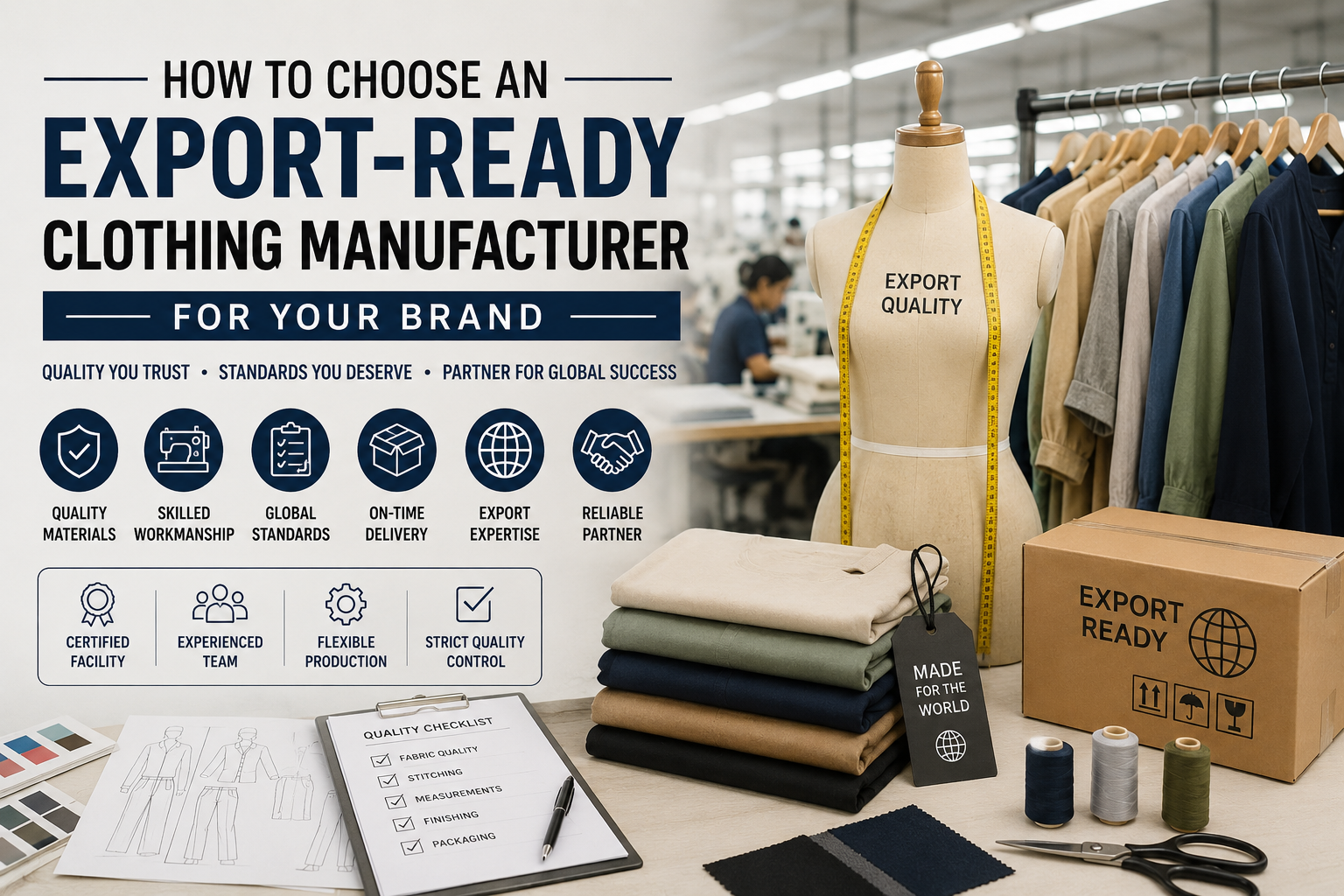
Manufacturing capability is equally important. Review the supplier’s experience with your product category, its sampling process, quality-control approach, and ability to communicate clearly throughout development. Ask about lead times for samples and bulk production, payment terms, inspection arrangements, and procedures for handling defects or specification discrepancies. A reliable manufacturing relationship should be based on documented expectations rather than verbal assurances alone.
What to Check Before Placing Your First Garment Order
Before confirming a production order, brands should understand the complete manufacturing process, from fabric selection to final inspection. A sample should be reviewed for measurements, fit, stitching, construction, fabric feel, color, trims, and finishing. Any required changes should be recorded and approved before bulk production begins. This helps establish a clear reference against which the finished garments can be checked.
It is also important to request a detailed quotation that separates relevant costs wherever possible. These may include sampling, fabric, cutting, stitching, printing, embroidery, labels, packaging, testing, and freight, depending on the agreement. A low unit price may not represent the best overall value if important services are excluded or if the final quantity requirements are unsuitable for the business.
For small brands, the following checks can help simplify supplier evaluation:
- MOQ and pricing: Confirm quantities per style and color, sample costs, and any setup charges.
- Product development: Establish how samples, fit revisions, fabric approvals, and size grading will be managed.
- Quality control: Agree on measurements, construction standards, inspection criteria, and how production issues will be addressed.
- Delivery and communication: Confirm production timelines, shipping arrangements, payment milestones, and the main contact for updates.
These details help create a more predictable production process and reduce misunderstandings between the brand and its manufacturing partner.
Low MOQ Sustainable Clothing Manufacturers in India
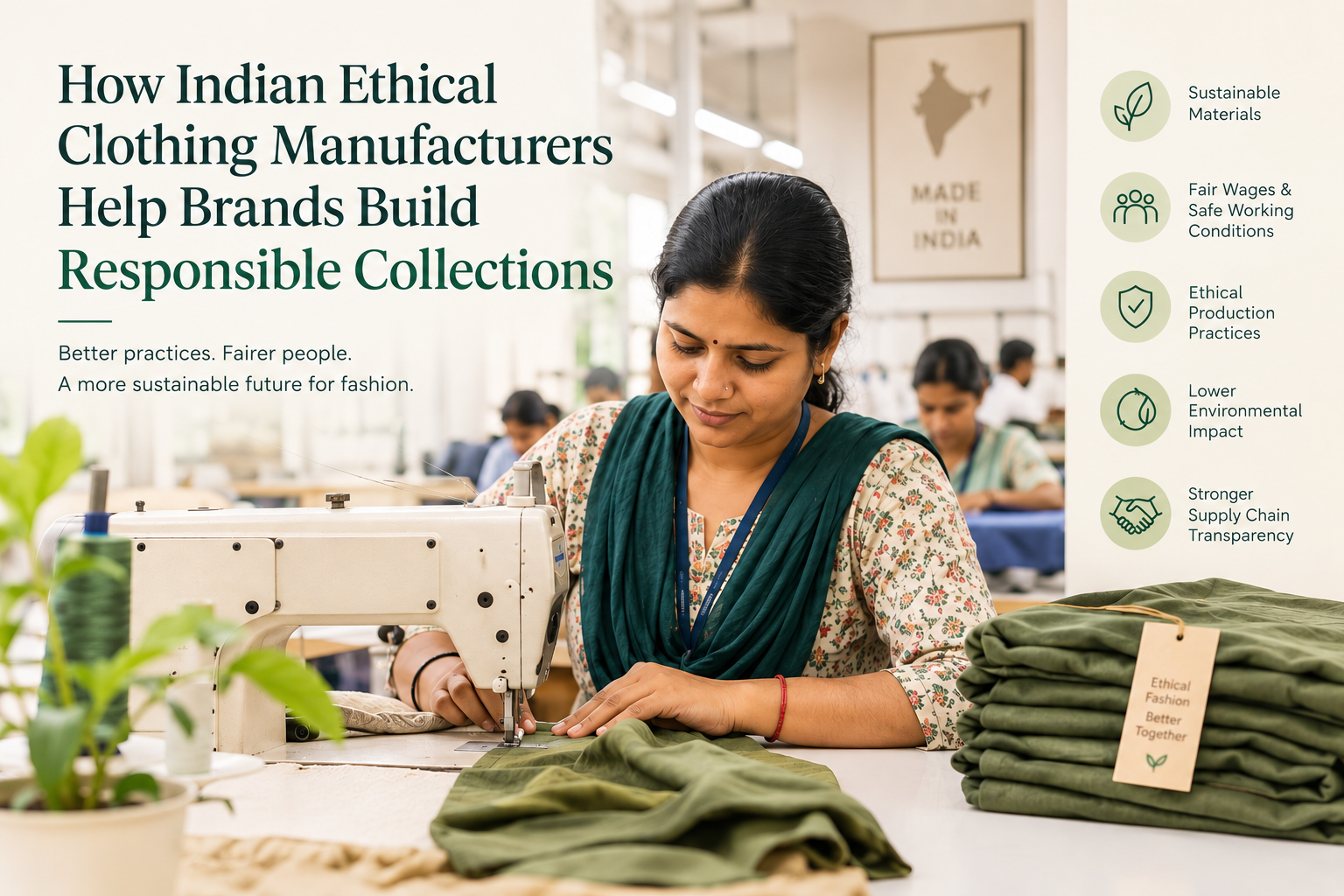
Sustainability has become an important consideration for clothing brands looking to make more informed choices about materials, manufacturing, and product longevity. However, sustainable apparel is not defined by a single fabric or production technique. It involves evaluating material sourcing, chemical management, resource use, manufacturing practices, durability, packaging, and the transparency of relevant claims. Brands should therefore ask specific questions about a manufacturer’s actual processes instead of relying on broad environmental descriptions.
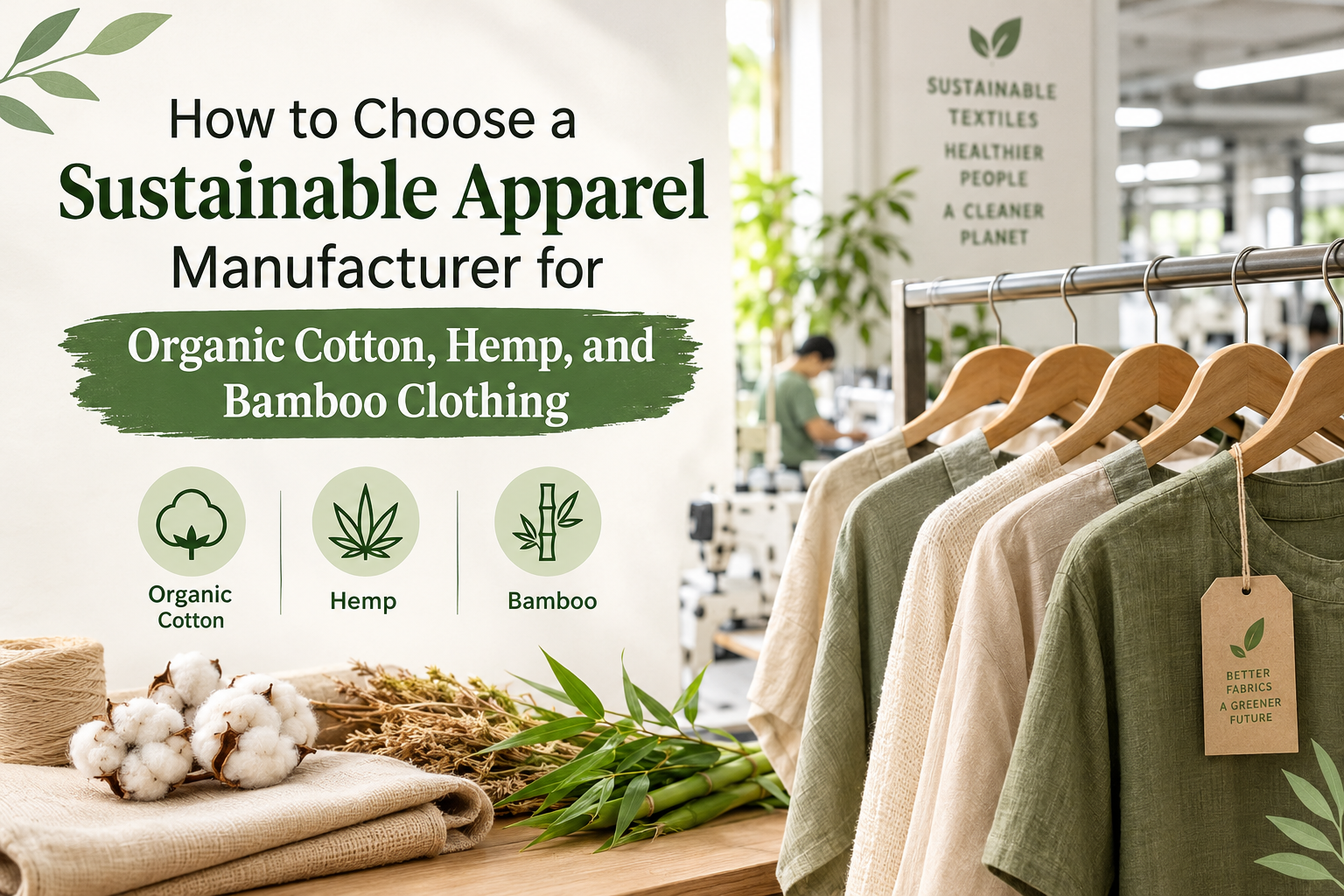
A low MOQ sustainable clothing manufacturer India search may be especially relevant for emerging labels that want to introduce smaller collections using materials such as organic cotton, hemp, or bamboo-derived textiles. Each material has different properties, sourcing considerations, and production requirements. Organic cotton, for example, may be available in particular yarns, fabric weights, and finishes, while hemp fabrics can vary in softness, texture, and construction. Bamboo-derived textiles also require careful attention to the specific fiber and manufacturing process described by the supplier.
Low MOQ availability can depend on whether the manufacturer has suitable fabrics in stock or needs to source a custom material. Ready-available fabrics may make smaller orders more practical, while custom dyeing, specialized finishes, and exclusive fabric development can increase minimum requirements and costs. Brands should discuss material composition, relevant certifications, available documentation, and production constraints before finalizing their collection.
Echo Earth focuses on apparel manufacturing with an emphasis on material choices and clothing production for international buyers. Brands exploring its services should discuss their intended products, fabric preferences, order quantities, and customization needs directly with the company to determine the most suitable manufacturing approach. Specific MOQ availability, material options, certifications, and production timelines should be confirmed for each project.
Why Fabric Selection Matters in Low MOQ Production
Fabric selection influences garment appearance, comfort, durability, cost, and manufacturing feasibility. A lightweight cotton jersey may be suitable for casual T-shirts, while woven cotton or blended fabrics may be more appropriate for shirts, trousers, or structured garments. Knit and woven materials behave differently during cutting and sewing, so the manufacturer must understand the intended garment construction before recommending a fabric.
For startups, choosing a suitable fabric already available through the manufacturer’s sourcing network can sometimes make a smaller production run easier to organize. Custom fabric development may offer greater control over appearance and product differentiation, but it can involve additional minimum quantities, development time, and costs. Brands should weigh these trade-offs against their launch budget and product strategy.
Material specifications should be documented clearly, including fiber composition, fabric weight, construction, color, finishing, and any applicable testing requirements. For sustainable apparel, brands should also verify the evidence supporting material-related claims. Accurate documentation helps manufacturers reproduce approved garments more consistently and allows brands to communicate product details responsibly to customers.
Private Label Clothing Manufacturing for Small Brands
Private-label manufacturing allows a clothing business to sell garments under its own brand name while working with a manufacturing partner to produce the products. Depending on the supplier’s capabilities, services may include fabric sourcing, garment development, sampling, labels, size tags, printing, embroidery, and packaging. The exact scope varies between manufacturers, so brands should confirm which services are available before placing an order.
For new businesses, low MOQ private-label production can provide a practical way to develop a distinct product range without establishing their own manufacturing facilities. A startup might begin with a small collection featuring branded T-shirts, shirts, or other core products, then expand once it has stronger information about customer demand. This approach can make product testing more manageable, although smaller orders may have higher per-unit production costs.
When discussing private-label options with a manufacturer, prepare your logo files, label requirements, packaging preferences, size specifications, and product references. Ask whether custom branding components have separate minimum quantities and whether unused labels or packaging must be ordered in advance. Clear planning can help ensure that the finished garments match the brand’s identity and commercial requirements.
Understanding Sampling, Lead Times, and Production Costs
Sampling is a critical stage in apparel manufacturing because it allows a brand to assess a garment before committing to bulk production. Depending on the product and development process, samples may be required to check the design, fit, fabric, construction, color, or final pre-production specifications. A sample that looks correct in photographs may still need adjustments when assessed physically, particularly for fit, drape, stitching, and finishing.
Brands should also understand that lead times vary according to material availability, design complexity, sampling revisions, production capacity, and shipping arrangements. A low MOQ order does not automatically mean faster delivery. If a fabric must be developed or imported, the sourcing stage may take longer than the actual garment production.
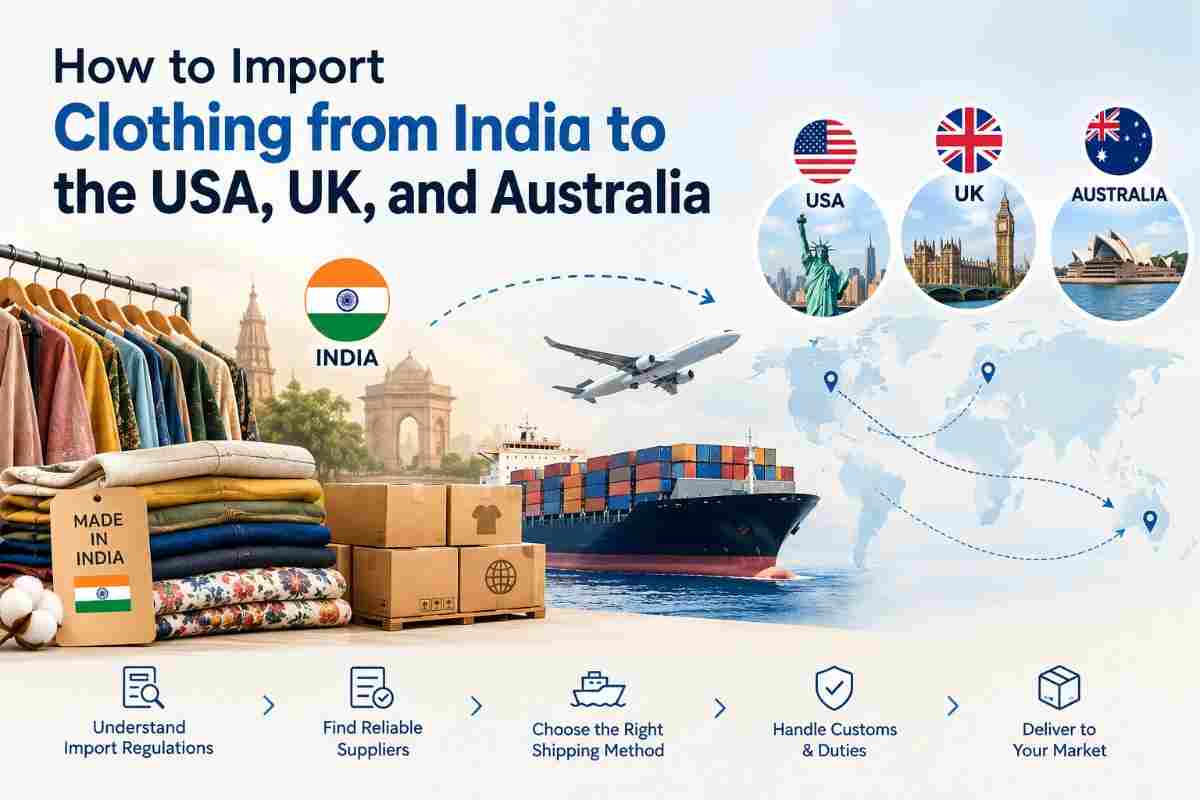
The overall budget should account for sampling, production, packaging, freight, applicable duties, and other agreed expenses. Businesses importing garments into their target markets should confirm shipping terms and any relevant import requirements with appropriate service providers. A detailed cost plan makes it easier to evaluate the true financial implications of working with a low MOQ manufacturer.
How Low MOQ Manufacturing Supports Business Growth
A small initial order can provide useful information about customer preferences, product performance, and inventory movement. Brands can use these findings to refine garment measurements, adjust their product range, and decide which styles deserve larger replenishment orders. This creates an opportunity to base expansion decisions on observed results rather than relying entirely on assumptions.
As demand develops, businesses may benefit from reviewing their manufacturing requirements with the supplier. Increasing order quantities can sometimes improve unit pricing or make additional customization options feasible. However, brands should avoid scaling too quickly without considering cash flow, storage, shipping, and the risk of unsold inventory. Growth should reflect the business’s actual sales performance and operational capacity.
For clothing startups, the most useful manufacturing relationship is one that combines suitable production quantities with transparent communication, consistent quality expectations, and a clear development process. A manufacturer should understand the brand’s current needs while providing realistic information about what may change as production volumes increase.
Why Consider Echo Earth for Apparel Manufacturing?
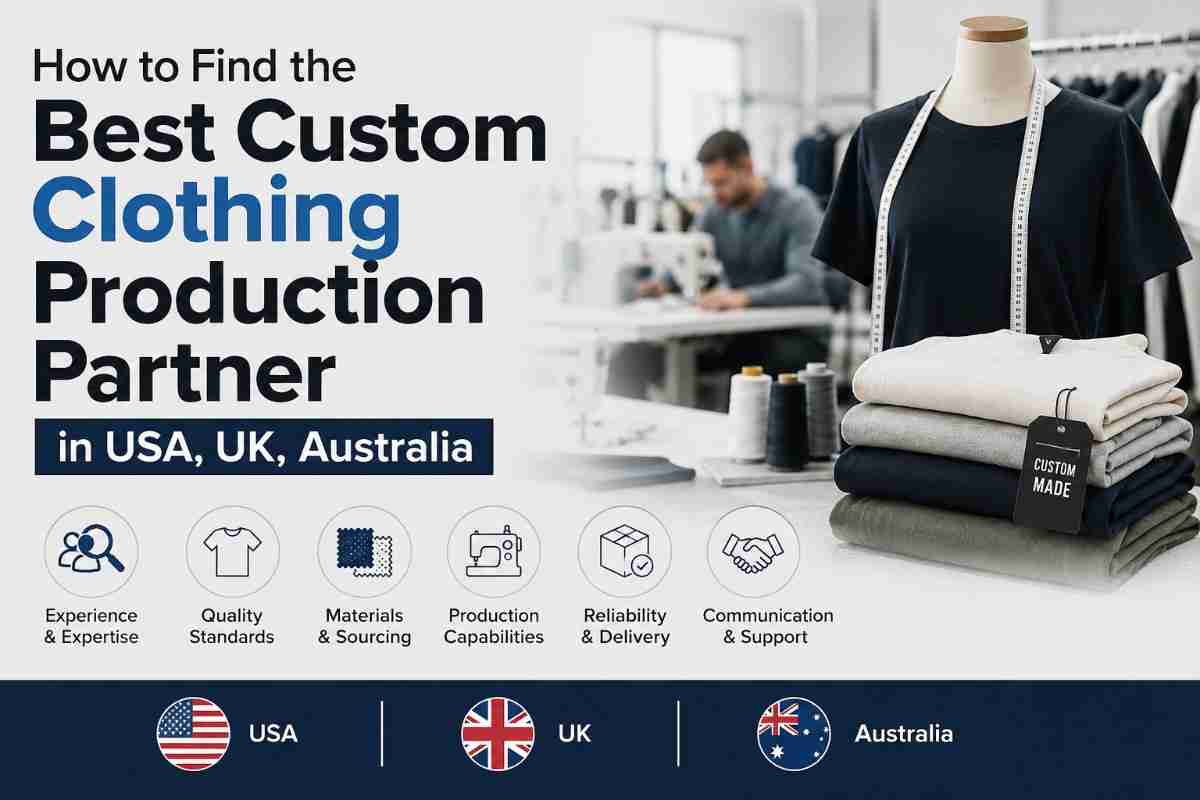
Choosing an apparel manufacturing partner is an important decision for clothing businesses serving customers in the USA, UK, Australia, Europe, and other international markets. Buyers need to understand a manufacturer’s product capabilities, fabric sourcing options, sampling process, quality standards, and export arrangements before deciding whether the partnership is suitable for their business.
Echo Earth operates in the apparel manufacturing space, with a focus on clothing production and material options relevant to brands exploring private-label and custom apparel. Businesses interested in working with Echo Earth can discuss their preferred garment categories, target fabrics, design specifications, order quantities, and destination markets to establish the feasibility of their requirements. Low MOQ availability should be confirmed for the particular style, fabric, color, and customization involved.
For brands considering sustainable apparel, it is also important to establish exactly which materials and manufacturing options are available for the intended collection. Request relevant product specifications and supporting documentation, and confirm sampling, pricing, production timelines, and order terms before making a commitment. This approach allows businesses to assess the partnership based on their actual product needs rather than general claims.
FAQs
1. What is the MOQ for garment manufacturers in India?
MOQ is the minimum quantity a manufacturer accepts for a production order. It varies by garment type, fabric availability, design complexity, color, printing, and customization. Some suppliers may accommodate smaller orders for standard products, while custom fabrics or specialized designs may require higher quantities. Buyers should confirm MOQ requirements for each style and color directly with the manufacturer.
2. How can small clothing brands find low MOQ clothing manufacturers in India?
Small clothing brands can begin by identifying manufacturers that specialize in their product categories and explicitly discuss small-batch or low MOQ production. They should prepare a product brief, request quotations, review samples, and compare quality-control procedures, material options, communication, and shipping arrangements before choosing a supplier.
3. Are low MOQ sustainable clothing manufacturers available in India?
Manufacturers may offer smaller production runs using selected materials such as organic cotton, hemp, or other fabric options, depending on availability and production requirements. Brands should verify material composition, relevant certifications, documentation, and minimum quantities for each fabric and garment rather than assuming all sustainable materials are available at low MOQs.
4. Is low MOQ garment manufacturing more expensive?
The cost per garment can be higher for small orders because setup, sampling, material procurement, and production expenses are distributed across fewer pieces. However, a smaller order may reduce the initial investment in inventory. Businesses should compare total project costs, including sampling, customization, packaging, and shipping, rather than considering unit price alone.
5. What should startups ask an apparel manufacturer before placing an order?
Startups should ask about MOQ per style and color, fabric availability, sample charges, customization, size grading, production timelines, quality inspections, payment terms, and shipping. They should also request written product specifications and clarify how defects or differences from the approved sample will be handled.
6. Can an Indian garment manufacturer produce private-label clothing for international brands?
Some Indian manufacturers support private-label production for overseas customers, including garment development and branding options. Available services vary, so brands should confirm export experience, labeling requirements, packaging, product specifications, order quantities, and shipping arrangements directly with the manufacturer.
Conclusion
Finding the right low MOQ garment manufacturer in India can help small clothing brands approach product development with greater flexibility. By starting with manageable quantities, businesses can test designs, evaluate customer feedback, and improve their collections before committing to larger production runs. However, successful manufacturing depends on more than a low minimum order quantity. Fabric selection, sampling, quality control, transparent pricing, communication, and realistic delivery expectations are equally important.
Brands searching for apparel manufacturer India low MOQ, low MOQ clothing manufacturers India, low MOQ sustainable clothing manufacturer India, or clothing manufacturers for startups India should compare suppliers according to their actual production needs and target markets. Request samples, confirm material specifications, document agreed requirements, and evaluate the total cost of the order before making a decision.
Echo Earth provides a starting point for international brands exploring apparel manufacturing and material options for their clothing collections. By discussing specific garment requirements, fabric preferences, branding needs, and order quantities with the manufacturer, businesses can determine whether the available services match their goals and build a more informed approach to clothing production.