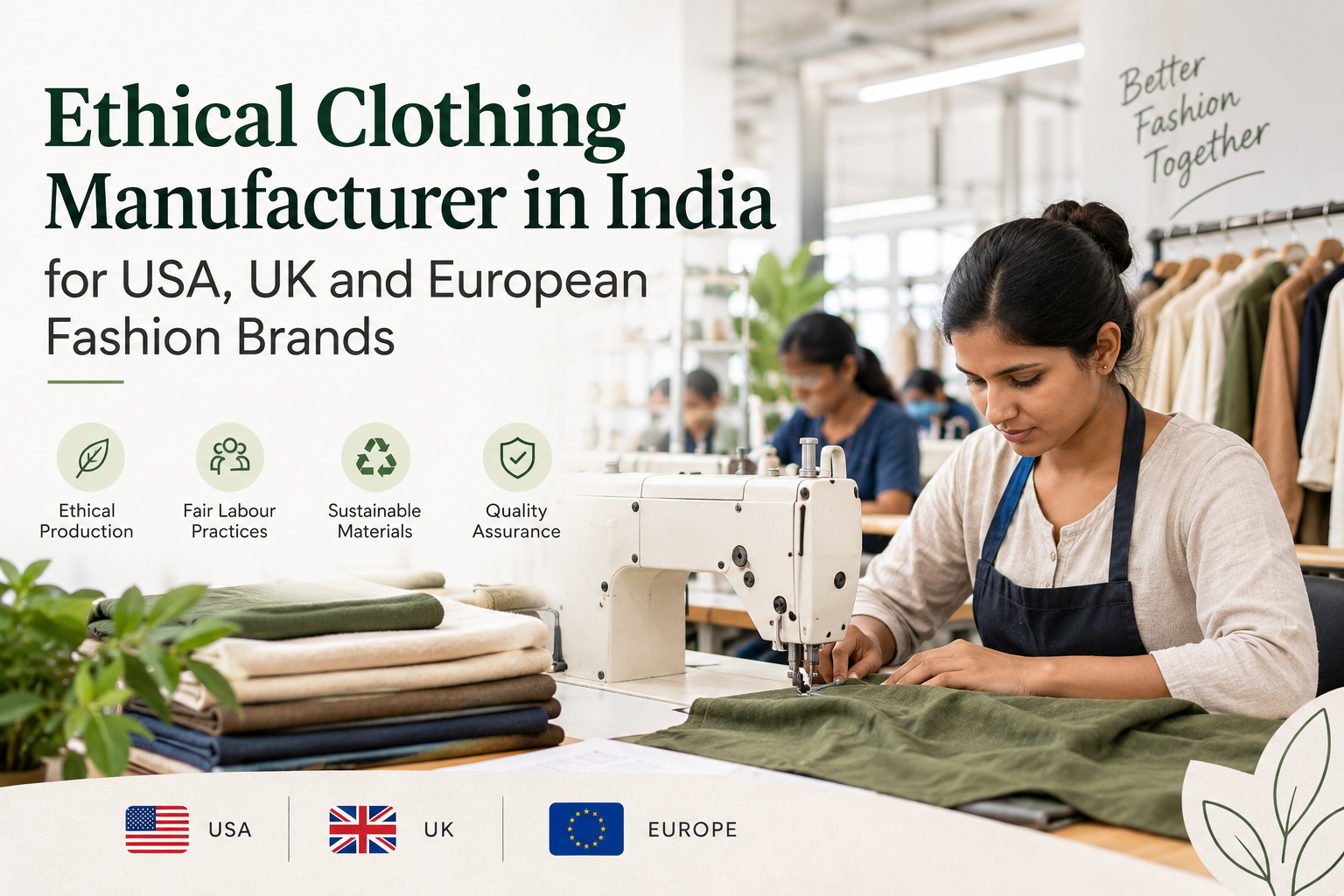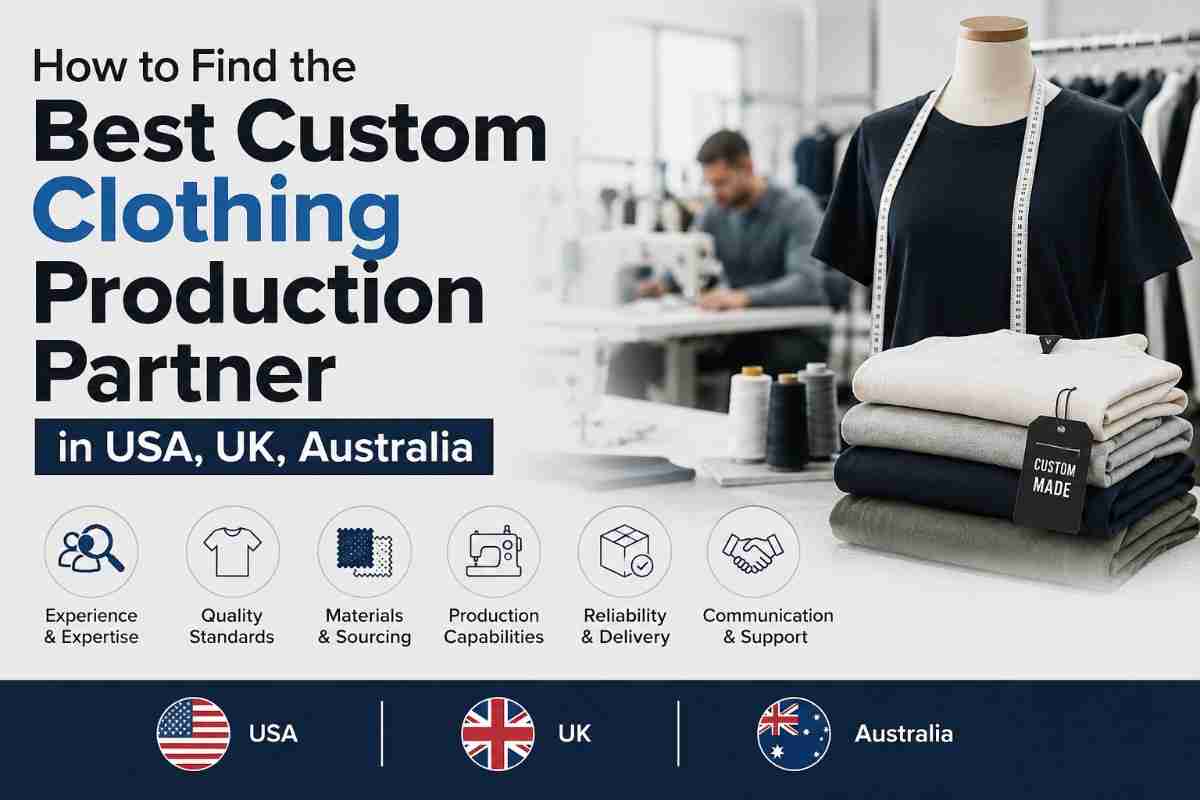



As fashion brands expand into international markets, responsible clothing production has become an increasingly important part of product development. Customers, retailers, and business buyers are paying closer attention to how garments are designed, sourced, manufactured, packaged, and distributed. For brands selling in the USA, UK, and Australia, finding a manufacturing partner that can support clear production standards while maintaining design flexibility can make the product-development process more organized and transparent. This is where experienced Indian apparel manufacturers can play an important role, particularly for businesses looking to develop collections with considered materials, responsible production practices, and consistent manufacturing processes.
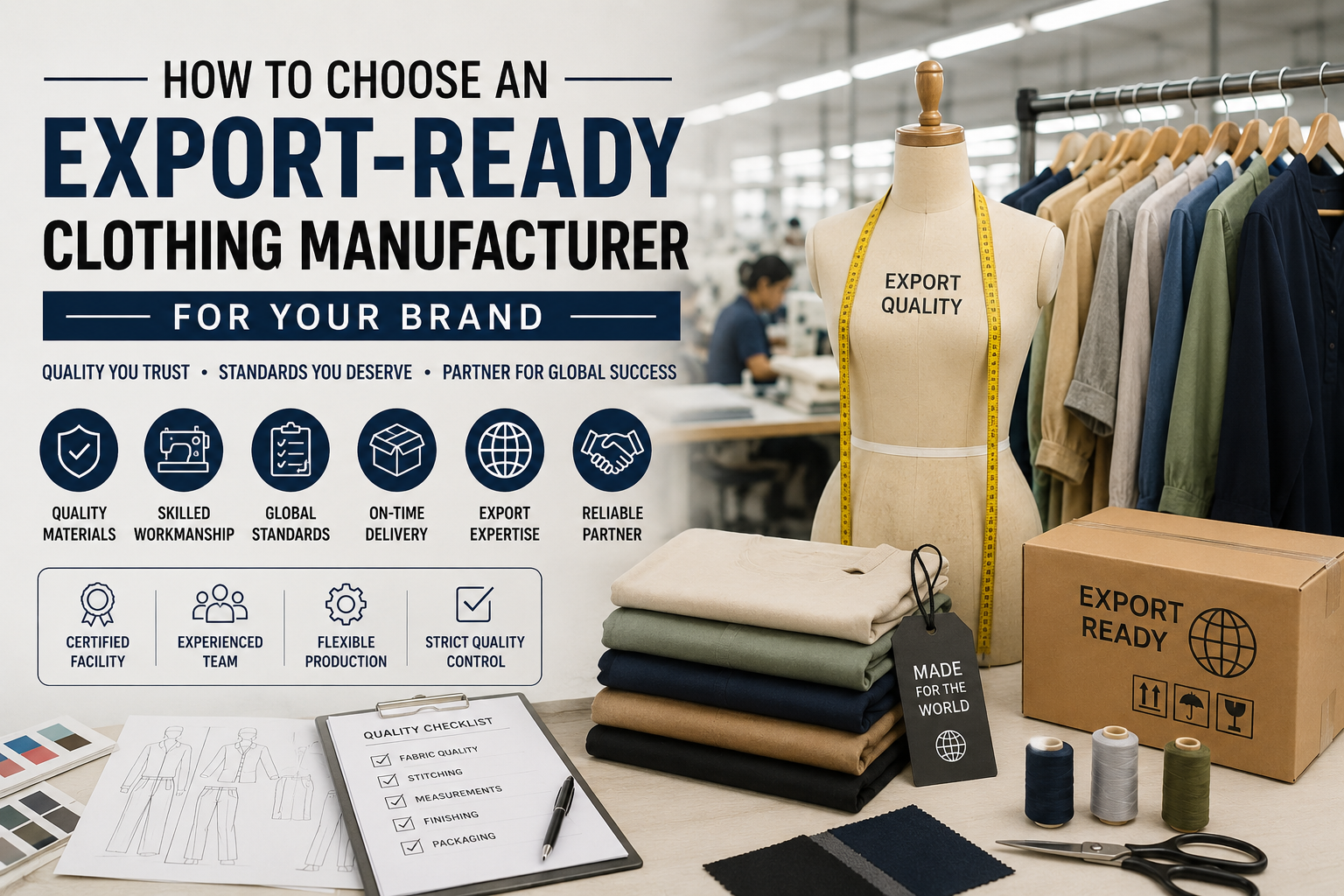
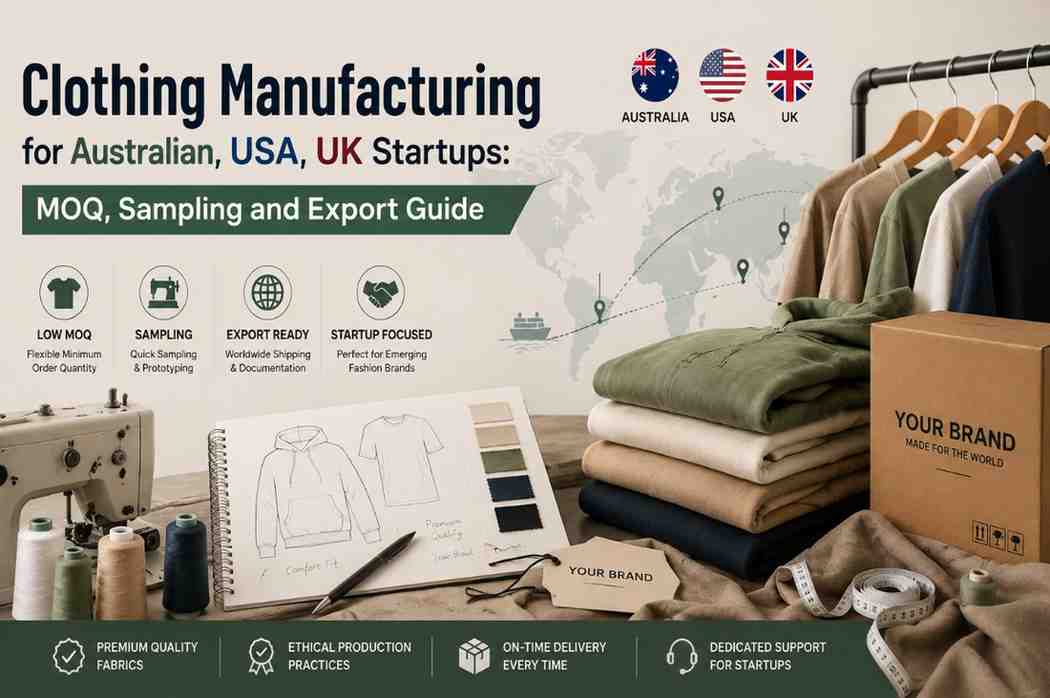
Choosing a Clothing Manufacturer in India for USA, UK, or Australian markets involves more than finding a factory that can produce garments at a particular price. Brands need to consider fabric selection, sampling, quality control, production capacity, communication, lead times, compliance requirements, packaging, and export experience. Echo Earth works with international clothing brands looking for manufacturing support across product development and garment production. By combining manufacturing capabilities with attention to material selection and production requirements, Echo Earth helps brands develop apparel collections that are aligned with their product concepts and target markets.
What Makes Ethical Clothing Manufacturing Different?
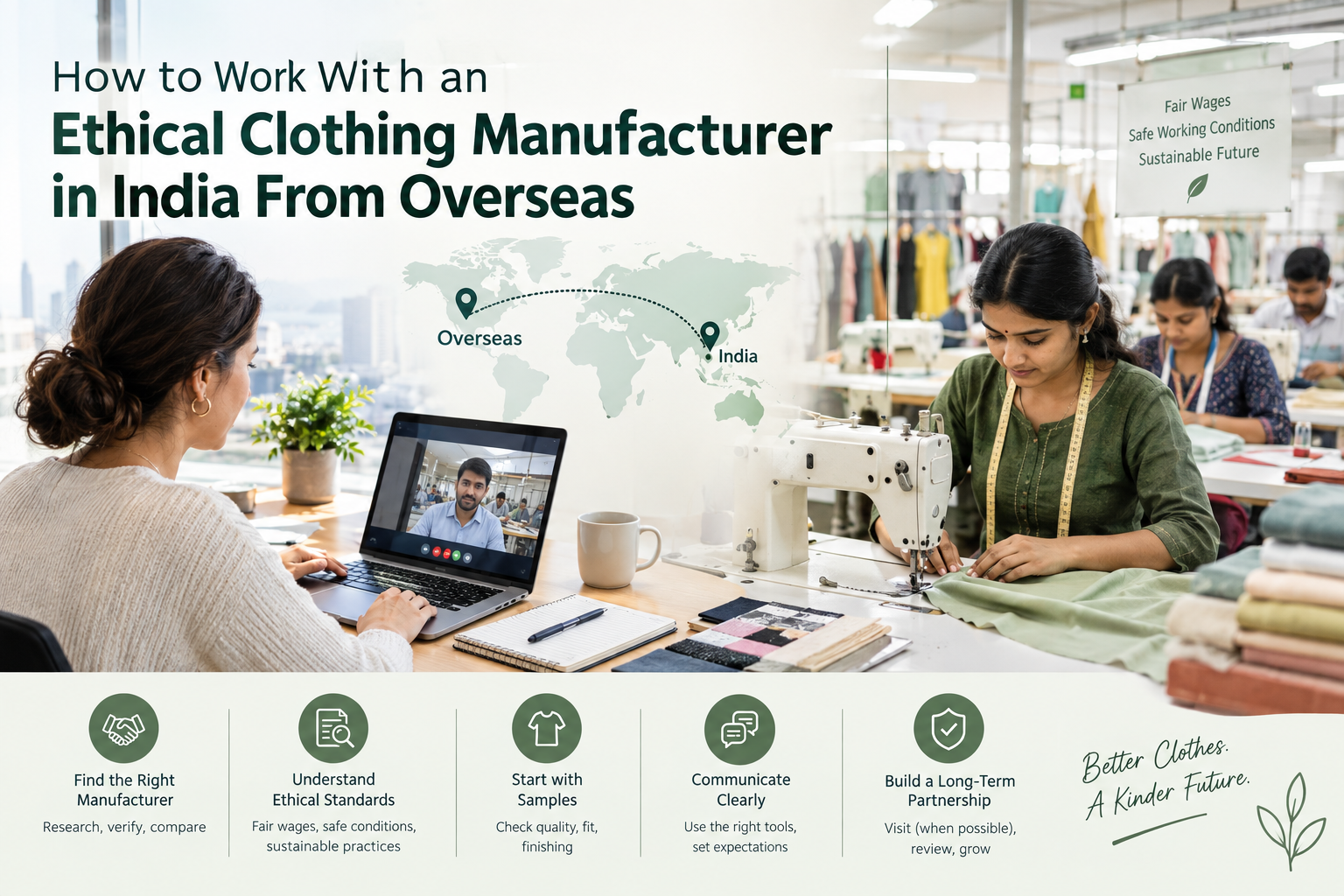
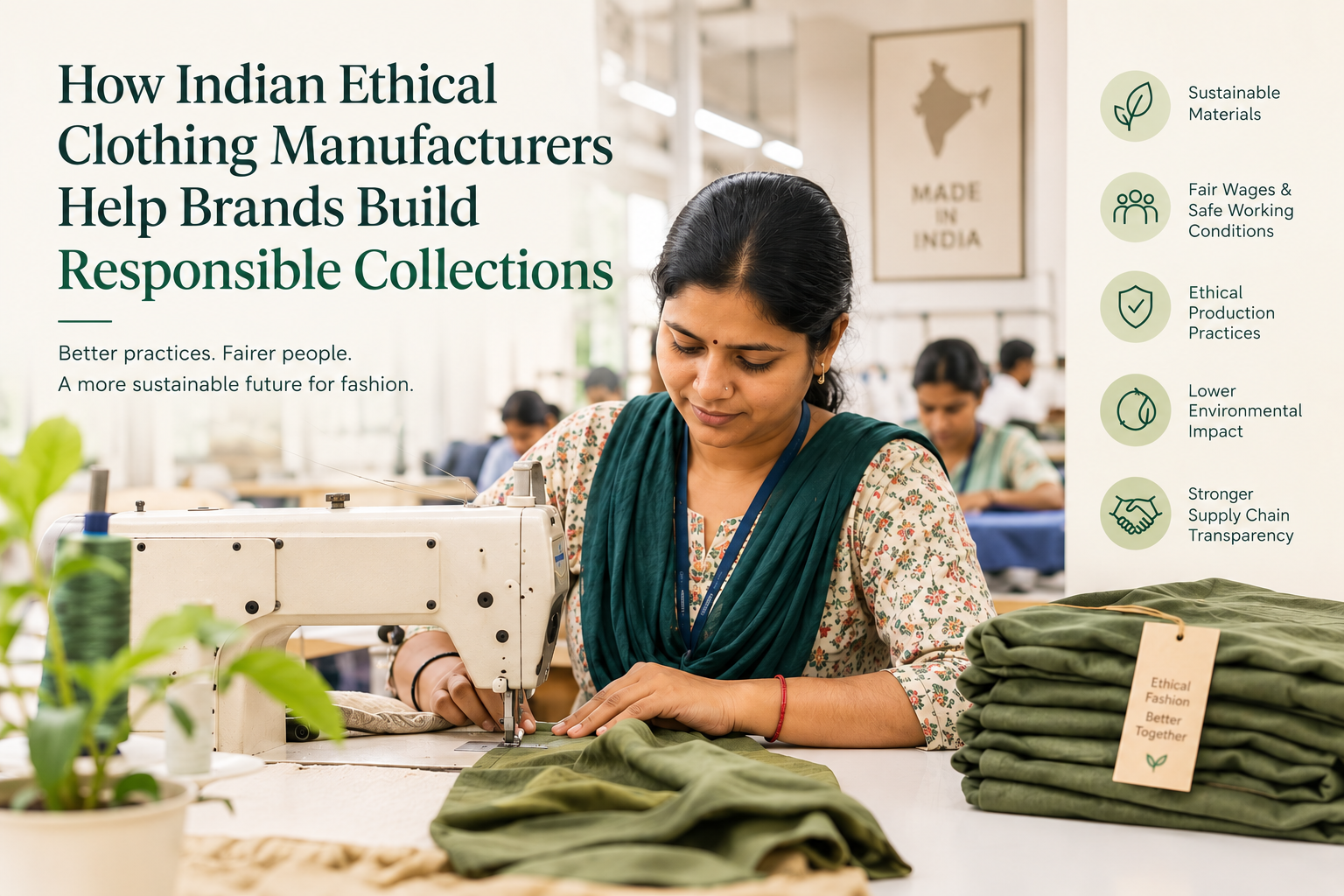
Ethical clothing manufacturing is not simply about attaching a sustainability label to a garment. It involves looking at multiple stages of the product lifecycle, from raw-material selection and design decisions to manufacturing, finishing, packaging, and distribution. A responsible approach requires brands to understand where their materials come from, how products are manufactured, and what production practices are used throughout the supply chain.
For international brands, working with a manufacturer that can communicate clearly about production processes can make these considerations easier to manage. Ethical manufacturing may involve responsible material choices, reduced production waste, efficient resource use, appropriate working conditions, quality-focused production, and better product durability. The exact practices and certifications involved can vary depending on the manufacturer, material, product category, and destination market.
This broader approach is particularly relevant for brands that want to build collections around long-term product value rather than short production cycles. When design, fabric, construction, and manufacturing are considered together, brands can create garments that better match their intended positioning and customer expectations.
Why India Is an Important Apparel Manufacturing Destination
India has a long-established textile and apparel industry supported by a broad ecosystem of fibers, fabrics, processing units, garment manufacturers, artisans, suppliers, and export infrastructure. This range of capabilities allows international brands to source different types of apparel and develop products across multiple categories.
Another advantage is the diversity of textile expertise available within the country. Depending on the product requirements, brands may be able to work with different fabric constructions, natural fibers, blends, woven materials, knitted fabrics, prints, dyes, embellishments, and garment finishes.
For an international business, this can provide flexibility during product development. A brand may begin with a small collection and later expand into additional styles, materials, or categories as its market develops. A capable manufacturing partner can help translate these requirements into practical production specifications.
How an Ethical Clothing Manufacturer Supports Responsible Product Development
Responsible clothing production begins before the first garment enters manufacturing. Design decisions have a direct effect on fabric consumption, production complexity, durability, packaging requirements, and ultimately the overall product footprint.
A manufacturing partner can contribute by discussing fabric suitability, construction methods, production feasibility, and sampling requirements at the development stage. Instead of discovering manufacturing limitations after finalizing a collection, brands can identify potential challenges earlier.
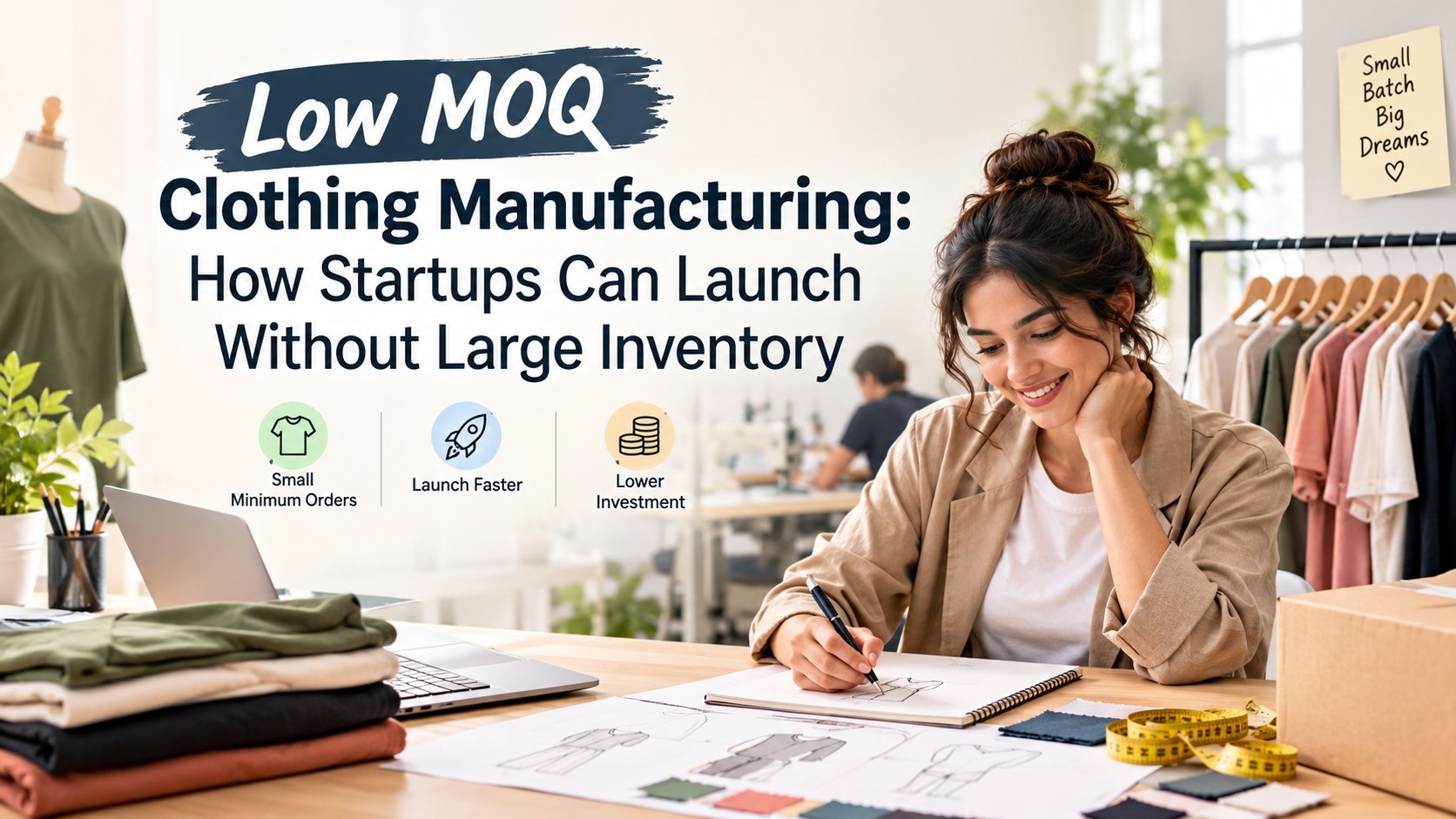
This collaborative process is especially useful for smaller and growing fashion businesses. They may have strong creative concepts but limited in-house manufacturing knowledge. An experienced manufacturer can help convert those concepts into practical specifications while keeping the brand’s original design direction intact.
Fabric Selection and Responsible Collections
Fabric is one of the most important decisions in apparel manufacturing. The material affects the appearance, feel, durability, performance, care requirements, production process, and positioning of the finished garment.
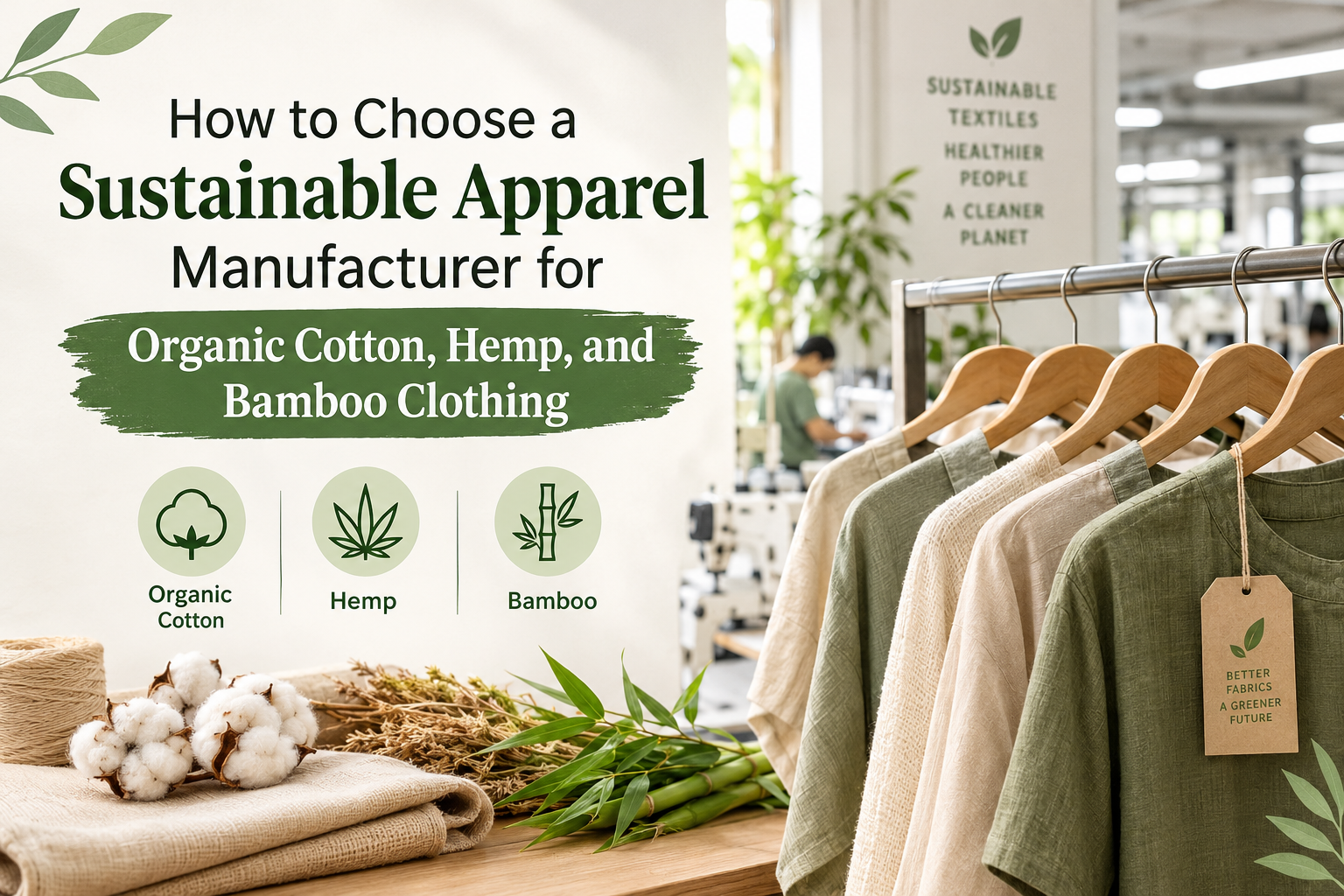
Brands developing responsible collections may explore materials such as organic cotton, hemp, bamboo-derived fabrics, recycled fibers, linen, or other material options depending on the product requirements. However, responsible sourcing should not be reduced to simply choosing a particular fiber. Brands should also consider the specific sourcing claims, applicable certifications, processing methods, durability, and suitability of the material for the intended garment.
For example, a fabric may be appropriate for one category of clothing but unsuitable for another because of its weight, stretch, abrasion resistance, shrinkage, or care requirements. Working with a manufacturer during the fabric-selection stage can help brands evaluate these practical factors before production begins.
Clothing Manufacturer in India for USA Brands
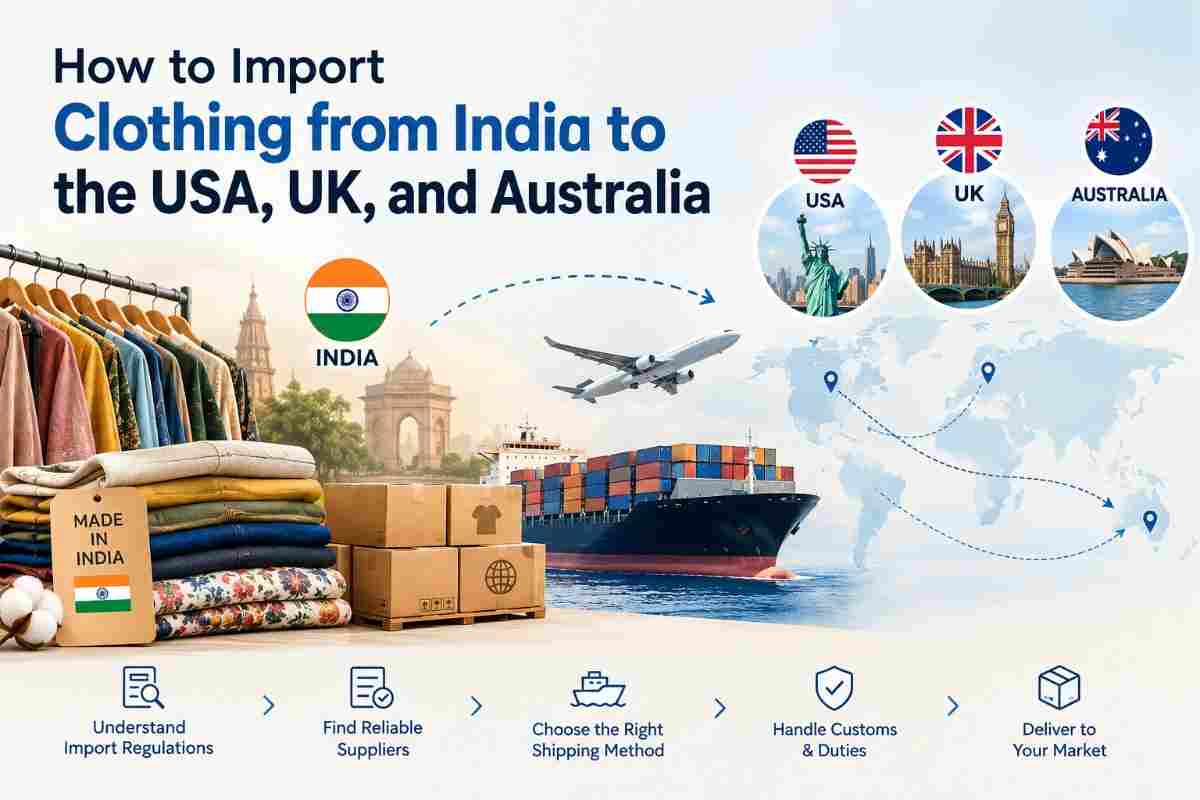
A Clothing Manufacturer in India for USA brands needs to understand that American apparel businesses can have different product requirements depending on their market segment. A boutique label, private-label retailer, activewear company, resortwear brand, and lifestyle clothing business may all require different manufacturing capabilities.
For USA-focused brands, product specifications should be documented clearly, including measurements, fabric composition, color requirements, construction details, labels, packaging, and quality expectations. International manufacturing also requires careful coordination around shipping, documentation, timelines, and communication.
Echo Earth supports apparel brands that want to develop garments for international markets while maintaining a structured manufacturing process. By discussing product requirements during the development stage, brands can create clearer specifications and reduce avoidable production misunderstandings.
Clothing Manufacturer in India for UK Brands
The UK fashion market includes independent labels, established retailers, online brands, and specialist clothing companies, each with different sourcing requirements. A Clothing Manufacturer in India for UK brands should therefore be able to accommodate different product categories, specifications, quantities, and development processes.
UK brands may also have specific expectations around product information, labeling, material descriptions, packaging, and supply-chain documentation. These requirements should be established before production rather than assumed.
For brands developing collections for the UK, manufacturing communication is particularly important because sample approvals and production decisions may take place remotely. Detailed technical specifications, digital communication, sample reviews, and documented approvals can help keep international production organized.
Clothing Manufacturer in India for Australia
Australian fashion businesses often operate across diverse categories, including casualwear, resortwear, lifestyle apparel, activewear, and contemporary fashion. A Clothing Manufacturer in India for Australia can support these brands by developing garments according to their specific fabric, fit, construction, and finishing requirements.
Because Australia is a major international market with its own consumer expectations, brands should ensure that garments are designed for their intended climate, use case, and customer segment. Fabric weight, breathability, construction, color, durability, and care requirements can all influence the suitability of a garment.
A manufacturing partner can help businesses assess these details during sampling and product development, allowing brands to refine products before larger production quantities are ordered.
The Role of Sampling in Responsible Manufacturing
Sampling is one of the most important stages in clothing manufacturing. A sample gives a brand the opportunity to inspect the actual garment rather than making decisions solely from drawings or specifications.
During sampling, brands can review fit, fabric behavior, stitching, measurements, finishing, color, construction, labels, and overall appearance. If changes are required, they can be communicated before bulk production.
This process also supports responsible manufacturing because identifying problems before mass production can reduce the risk of producing garments that require extensive rework or cannot be sold as intended.
For smaller brands, sampling can be particularly valuable because every production decision can represent a significant investment. A carefully reviewed sample creates a reference point for the final production run.
Quality Control and Consistency
Responsible manufacturing also depends on consistent quality. A garment that looks attractive in a product photograph but develops construction problems after limited use can create customer dissatisfaction and increase returns.
Quality control can involve checking fabric, measurements, stitching, seams, trims, labels, color consistency, finishing, and other product-specific details. The exact inspection process depends on the garment category and specifications agreed between the brand and manufacturer.
Consistent quality also matters for repeat orders. If a successful product is reordered several months later, the brand expects the new production to remain consistent with the approved specifications. Maintaining organized production records and clear product specifications can support this consistency.
Reducing Waste Through Better Product Planning
Waste reduction begins with planning. Poorly developed patterns, incorrect measurements, unnecessary sampling rounds, production errors, and excess inventory can all create avoidable waste.
Brands can reduce some of these risks by finalizing product specifications carefully before production. Accurate size charts, approved samples, clear fabric requirements, and detailed production instructions can help manufacturers work more efficiently.
Garment design itself can also influence material consumption. Simpler construction, thoughtful pattern placement, and appropriate sizing can sometimes reduce unnecessary fabric usage. These decisions should be balanced with the desired appearance and functionality of the finished product.
A responsible manufacturing strategy therefore considers efficiency alongside aesthetics rather than treating them as separate objectives.
Why Durability Matters in Responsible Fashion
One of the most practical aspects of responsible clothing is product longevity. A garment that remains useful and wearable for a longer period can provide greater value to the customer than a product designed primarily around short-term trends.
Durability depends on several factors, including fabric quality, stitching, seam construction, garment design, finishing, and intended use. It is therefore important for brands to communicate the expected use of each product to their manufacturing partner.
For example, garments designed for frequent wear may require different construction considerations from occasional fashion pieces. The manufacturer can use the product requirements to determine appropriate construction methods and specifications.
Private Label Clothing Manufacturing for International Brands
Many small and medium-sized fashion companies use private-label manufacturing to develop products under their own brand names. Private-label production allows a business to control its collection and customer-facing identity while working with an external manufacturing partner.
The process can include custom fabrics, colors, measurements, labels, packaging, embroidery, printing, and other product-specific details. Depending on the manufacturer’s capabilities, brands can develop an entire collection rather than purchasing generic ready-made products.
For a growing business, private-label manufacturing can provide greater control over product differentiation. It also gives the brand the opportunity to develop a consistent visual identity across multiple collections.
Best Clothing Manufacturer in India for USA Brands: What Should Brands Evaluate?
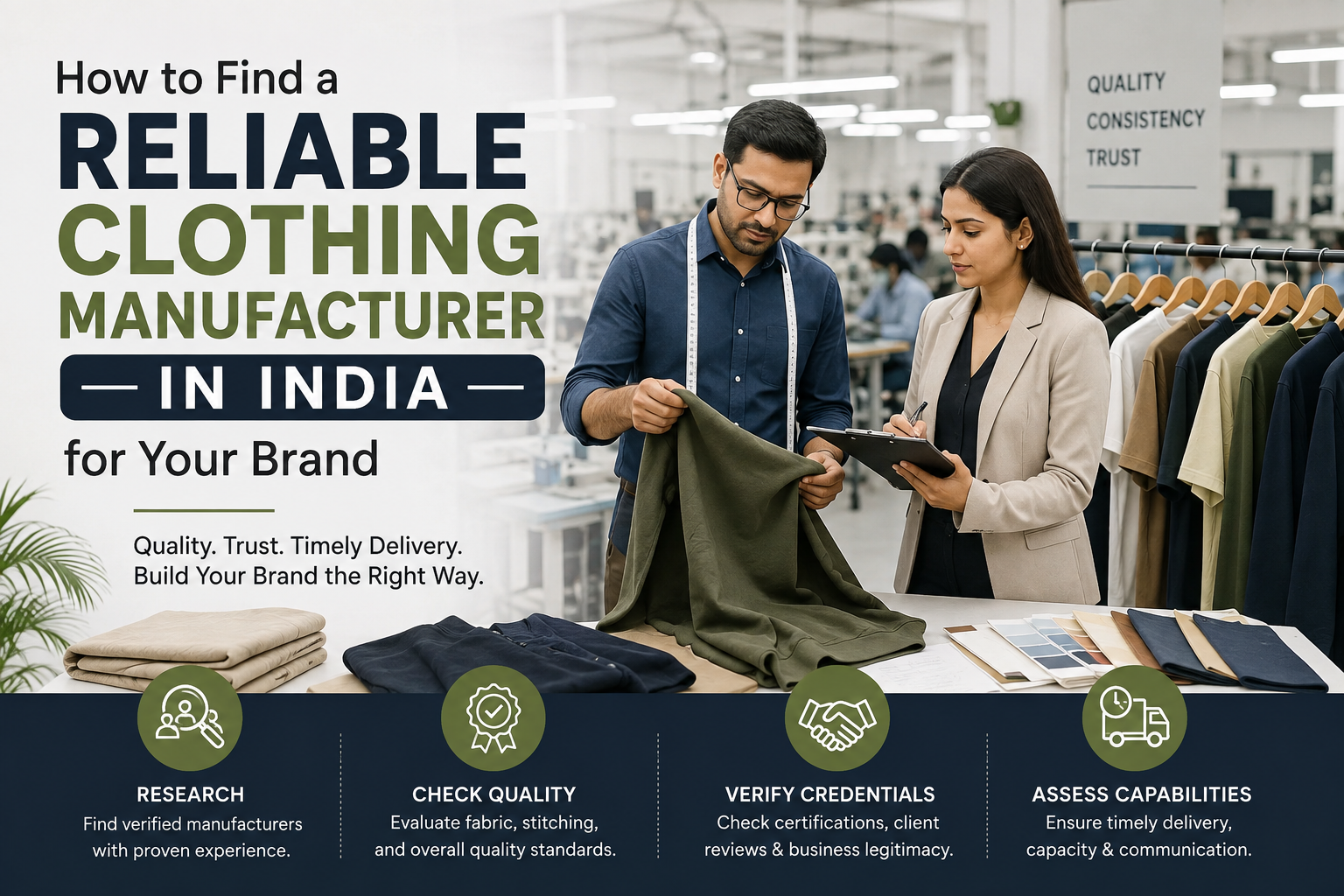
When researching the Best Clothing Manufacturer in India for USA, brands should focus on suitability rather than relying on a single definition of “best.” The right manufacturer depends on the brand’s product category, quantity requirements, quality expectations, material preferences, and development process.
A manufacturer should be evaluated on its ability to produce the required garment type, communicate clearly, develop samples accurately, maintain quality standards, manage production schedules, and support international orders.
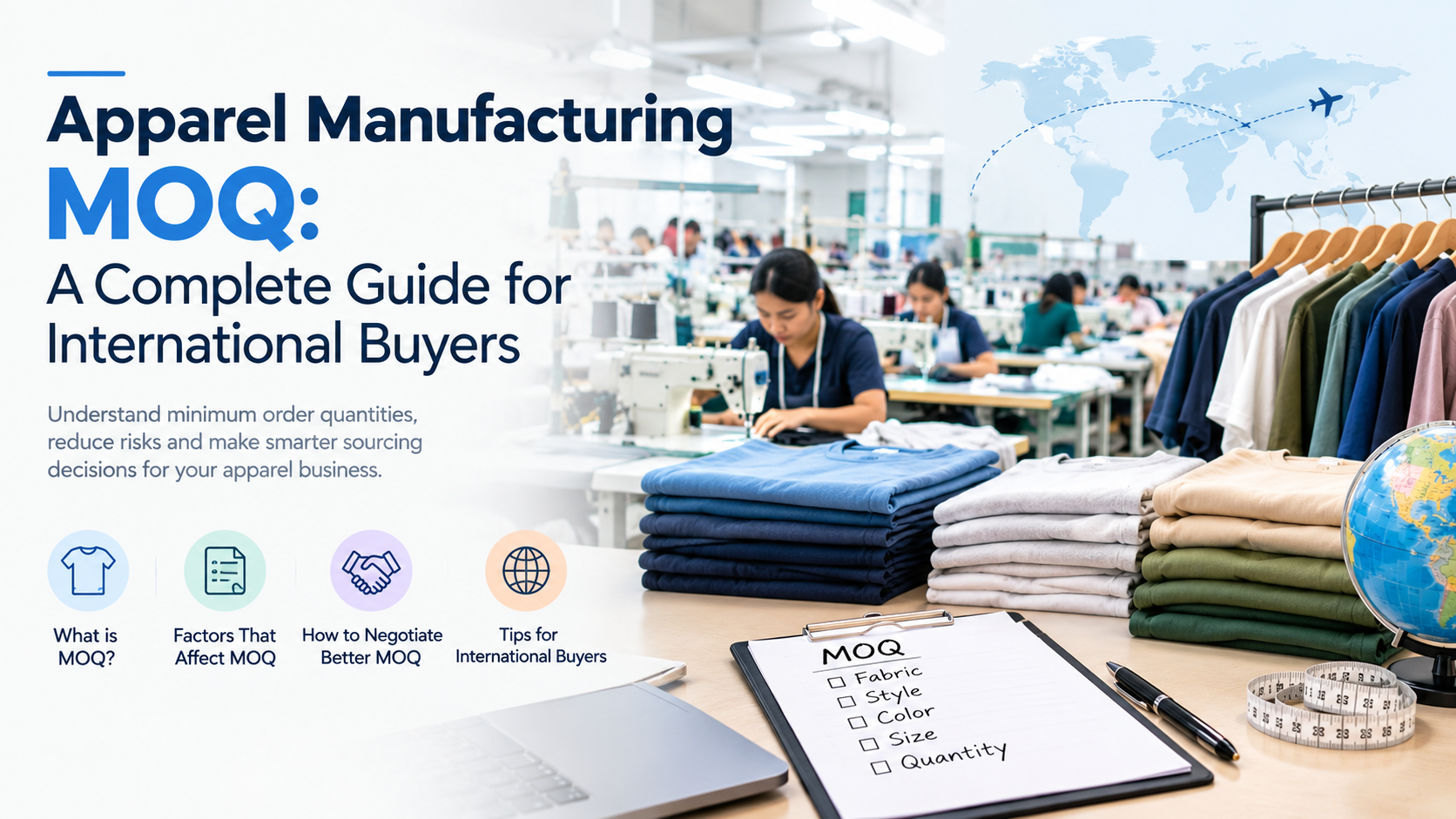
Brands should also clarify minimum order quantities, sampling charges, production timelines, payment terms, shipping arrangements, labeling requirements, and packaging specifications before confirming production.
Top Clothing Manufacturer in India for UK Businesses
Businesses searching for a Top Clothing Manufacturer in India for UK should similarly examine manufacturing capabilities and supply-chain requirements rather than focusing only on online rankings or marketing claims.
A useful evaluation process includes reviewing previous manufacturing experience, asking for relevant product samples, discussing production capacity, and understanding how the manufacturer handles quality control and communication.
For UK brands, it is also important to confirm the product information and labeling requirements applicable to the products and sales channels involved. Requirements can change, so brands should verify the latest applicable rules for their specific products and market.
Best Clothing Manufacturer in India for Australia
Brands searching for the Best Clothing Manufacturer in India for Australia can evaluate manufacturers based on their ability to handle the intended product category and provide consistent production support.
An Australian brand may require lightweight fabrics, breathable garments, resortwear, casual apparel, activewear, or other specialized products. The manufacturer should be able to work from detailed product specifications and develop samples that accurately represent the brand’s requirements.
The most useful manufacturing relationship is one where expectations are documented clearly and both sides understand the product requirements before bulk production begins.
How Echo Earth Helps International Clothing Brands
Echo Earth works with international businesses seeking apparel manufacturing support for their collections. The focus is on helping brands move from product concepts and specifications to samples and finished garments through a structured production process.
For brands developing responsible collections, Echo Earth can support product development across areas such as fabric selection, garment construction, sampling, production, finishing, and export-oriented manufacturing requirements. The specific manufacturing process depends on the product, material, quantity, and technical specifications provided by the client.
The objective is to create a manufacturing relationship that supports the brand’s product vision while keeping communication and production requirements clear. For growing businesses, this can make it easier to develop collections systematically and maintain consistency as the product range expands.
What Brands Should Ask Before Starting Production
Before selecting a manufacturing partner, brands should have a clear discussion about the complete production process. This includes asking about fabric sourcing, sample development, minimum order quantities, production capacity, quality checks, timelines, packaging, labeling, and export documentation.
It is also useful to clarify who owns the final designs, how revisions are managed, what happens if a sample requires changes, and how repeat orders are handled. Written communication is valuable because it provides a reference for both parties throughout development and production.
Rather than treating manufacturing as a one-time transaction, brands can approach it as a long-term supply-chain relationship. This can be particularly valuable when a product performs well and requires regular restocking.
FAQs
1. Why do brands work with clothing manufacturers in India?
Brands work with Indian clothing manufacturers because India has a large textile and apparel manufacturing ecosystem with capabilities across fabrics, garment production, processing, sampling, and export-oriented manufacturing. The suitability of a particular manufacturer depends on the brand’s product and production requirements.
2. Can a small fashion brand manufacture clothing in India?
Yes. Small and growing brands can work with manufacturers that offer suitable sampling and production options. However, minimum order quantities, development processes, and manufacturing capabilities vary, so brands should confirm these details before starting a project.
3. How can brands build more responsible clothing collections?
Brands can consider responsible material sourcing, durable product design, efficient production planning, quality control, waste reduction, appropriate packaging, and transparent supply-chain practices. Responsible collections require consideration of multiple stages rather than relying on one material or marketing claim.
4. What should I look for in a Clothing Manufacturer in India for USA?
Consider experience with your product category, sampling capabilities, material options, quality-control processes, communication, production capacity, minimum order quantities, timelines, packaging, and international shipping or export support.
5. Does Echo Earth manufacture clothing for international brands?
Echo Earth provides clothing manufacturing support for international brands and businesses developing apparel collections. Manufacturing requirements can be discussed according to the product category, materials, specifications, quantity, sampling needs, and target market.
Conclusion
Building a responsible clothing collection requires thoughtful decisions throughout the product-development and manufacturing process. Material selection, garment construction, sampling, quality control, production planning, packaging, and supply-chain communication can all influence the final product and the efficiency of the manufacturing process.
India’s established textile and apparel ecosystem gives international brands access to a wide range of manufacturing capabilities. However, selecting the right manufacturing partner should be based on the specific requirements of the business rather than generic claims. Brands should assess product expertise, communication, sampling, quality control, production capacity, quantities, timelines, and international order support before beginning a manufacturing relationship.