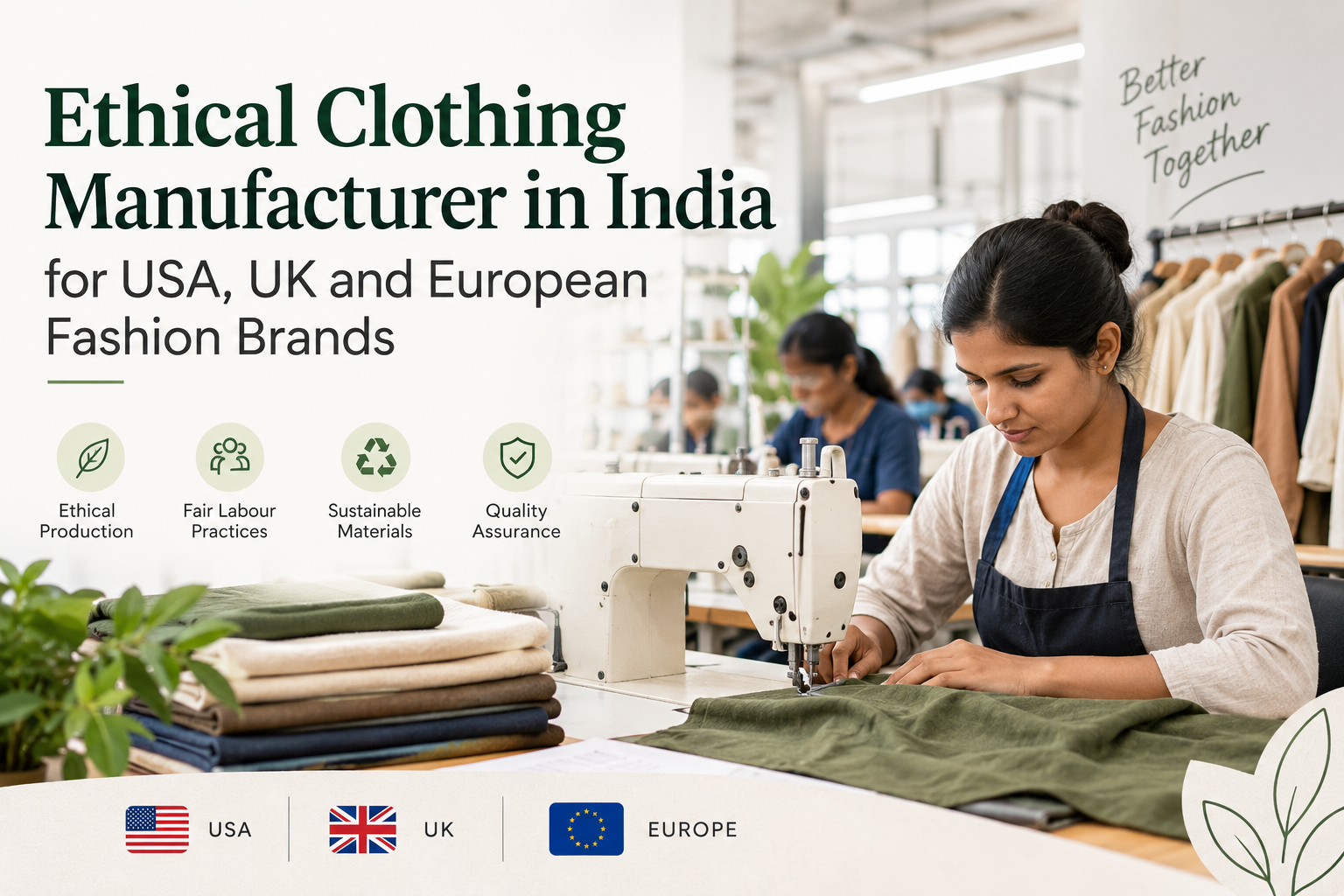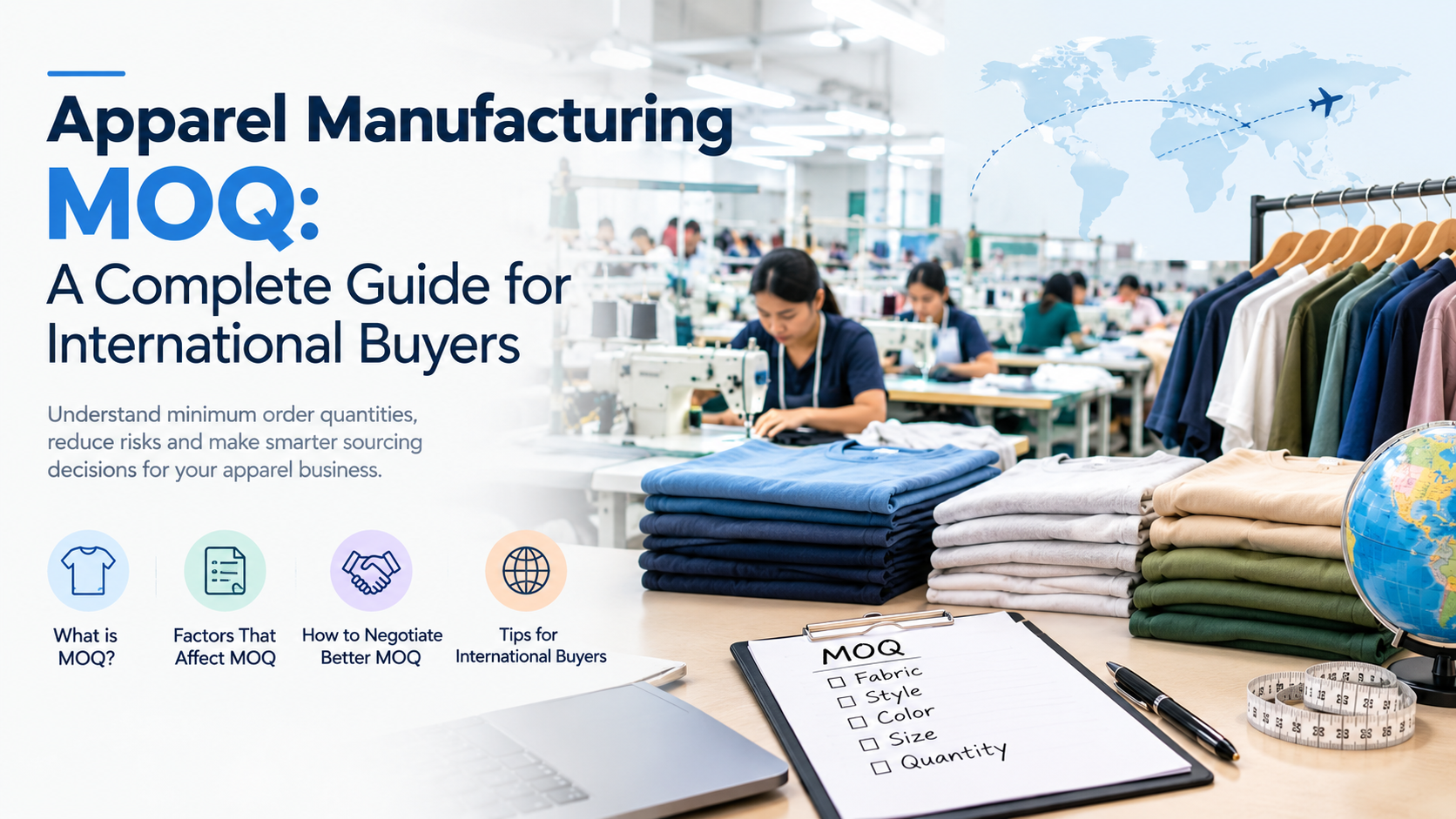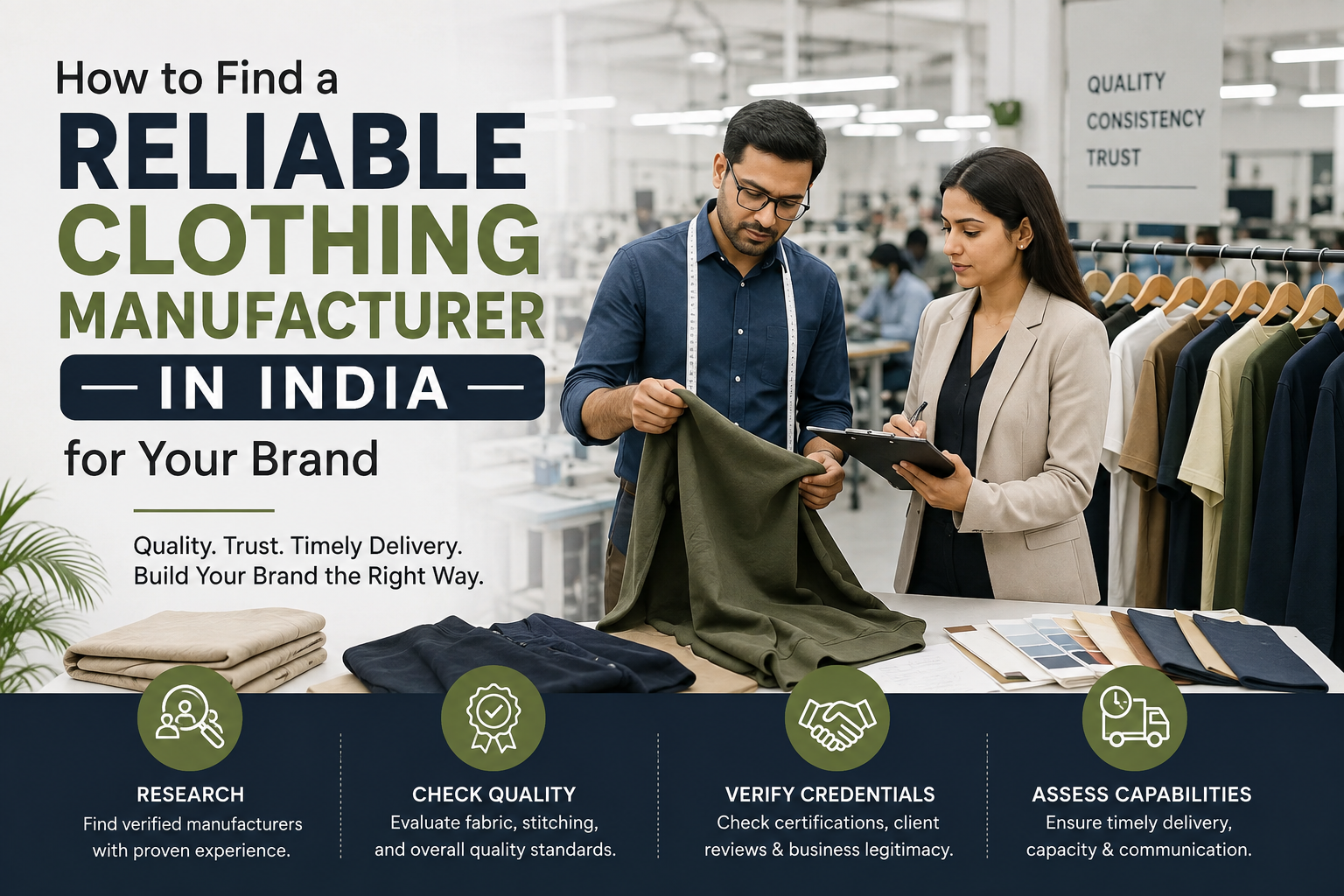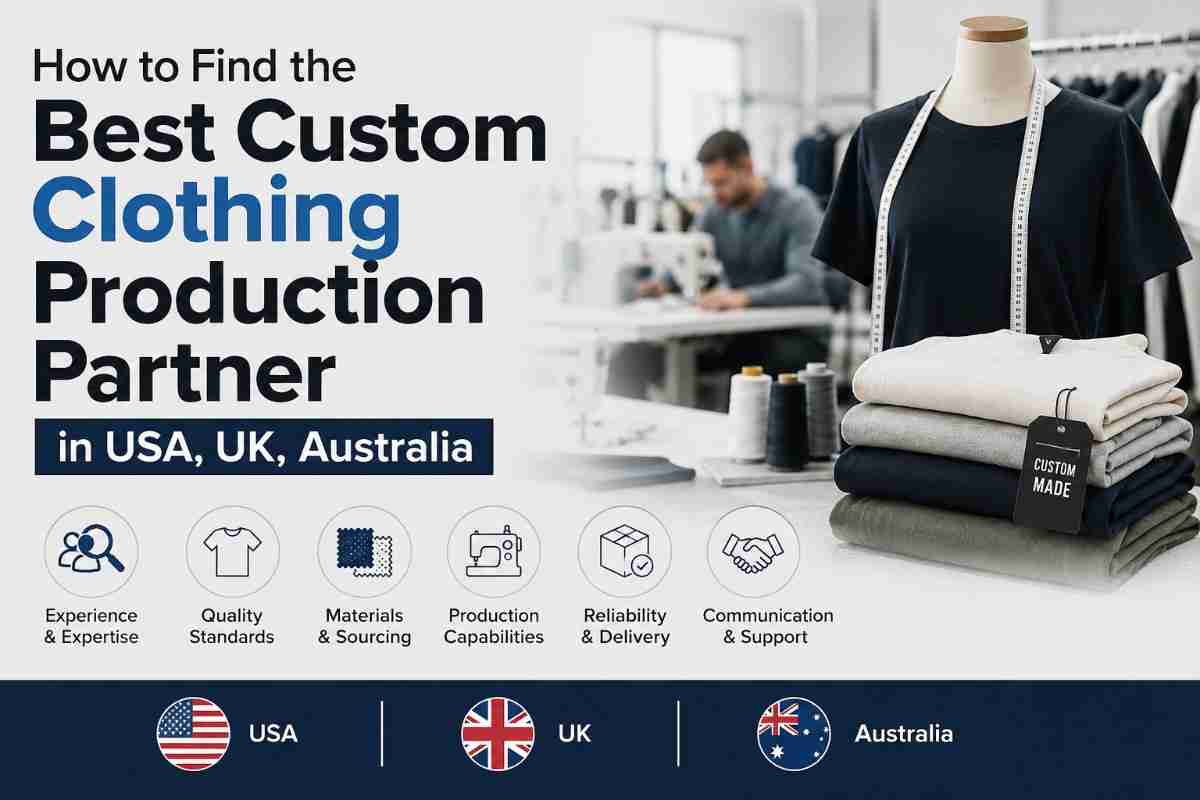
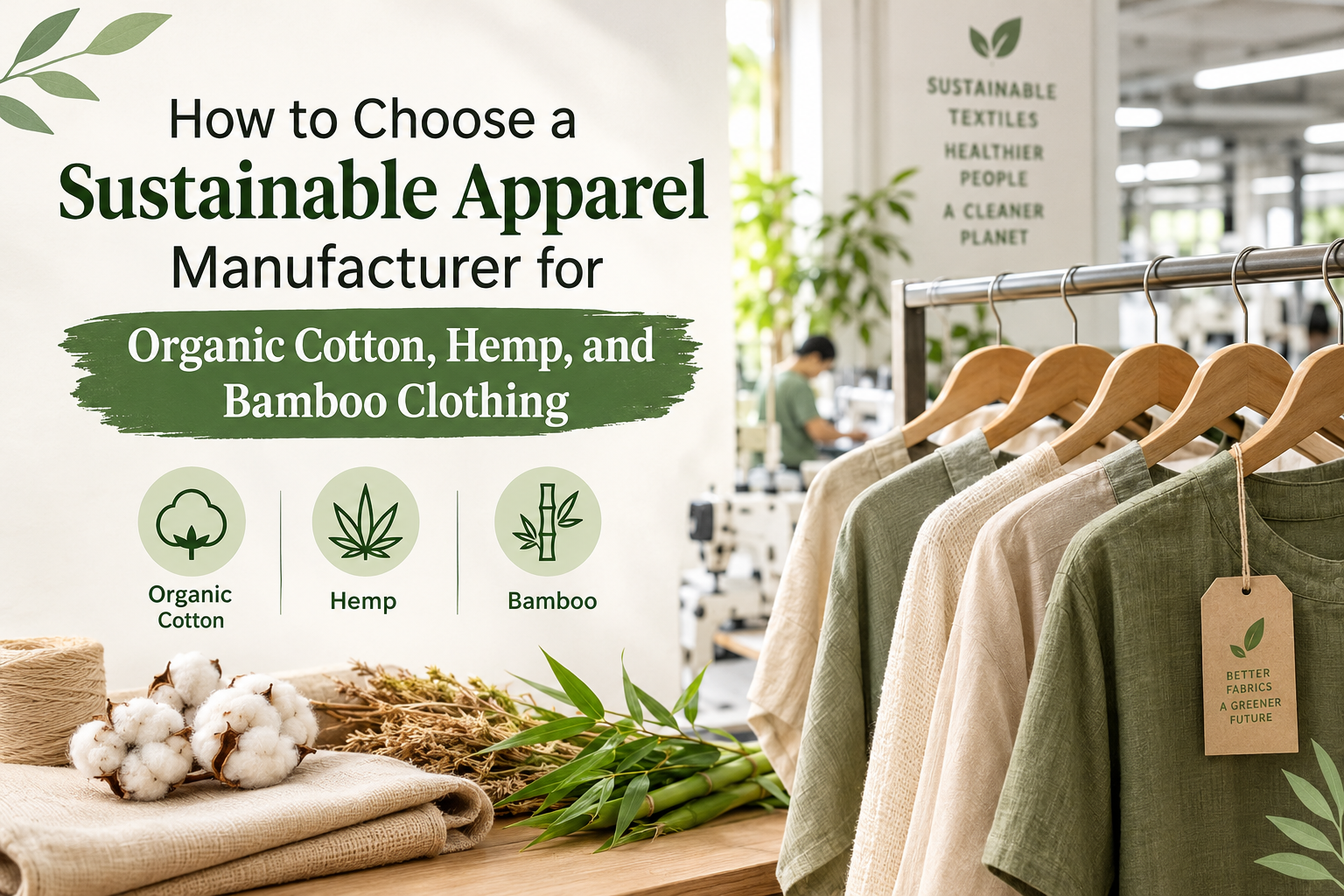
Choosing the right apparel manufacturing partner is an important decision for fashion brands that want to develop responsible clothing collections, maintain consistent product quality, and meet changing customer expectations. As consumers and businesses pay more attention to material sourcing, manufacturing processes, and supply chain transparency, brands are exploring alternatives such as organic cotton, hemp, and bamboo-derived fabrics. However, selecting a suitable manufacturer involves more than comparing fabric prices. Businesses must also consider production capabilities, garment construction, fabric certifications, minimum order quantities, customization options, and the supplier’s ability to meet international quality requirements. A reliable manufacturing partner can help transform an initial design concept into a finished clothing collection that reflects the brand’s identity and commercial goals.
Echo Earth supports the conversation around responsible apparel sourcing by focusing on clothing manufacturing solutions for international fashion businesses. For brands developing private label collections, custom garments, or specialized fabric ranges, finding the right manufacturing partner can simplify product development and improve coordination throughout the supply chain. Whether you are looking for an organic cotton clothing manufacturer, a hemp clothing manufacturer, or a bamboo clothing manufacturer, understanding the differences between materials and evaluating a supplier’s actual capabilities can help you make informed decisions. This guide explains the key factors to consider when choosing an apparel manufacturing partner for organic cotton, hemp, and bamboo clothing, with practical insights for fashion startups, established retailers, wholesalers, and growing clothing brands.
1. Understand Your Brand’s Clothing Requirements
Before contacting manufacturers, define the type of clothing you want to produce, your target customers, and the purpose of your collection. A brand specializing in everyday basics may require organic cotton T-shirts, sweatshirts, and relaxed-fit tops, while an activewear business may need stretch fabrics, performance construction, and moisture-management features. Hemp fabrics may suit selected casualwear, shirts, trousers, and outerwear, whereas bamboo-derived fabrics may be considered for soft-feel basics, loungewear, and other garments where their specific textile properties are appropriate.
A clear product brief helps manufacturers assess whether they can meet your expectations. Include garment sketches, size specifications, fabric composition, colors, stitching details, finishing requirements, and estimated order quantities. Echo Earth can be considered by businesses exploring apparel manufacturing solutions for different garment categories and fabric preferences. Establishing these details at the beginning makes communication more efficient and helps prevent misunderstandings during sampling and production.
2. Choose the Right Fabric for Your Clothing Collection
Fabric selection affects comfort, appearance, durability, manufacturing costs, and the overall positioning of a clothing brand. Organic cotton, hemp, and bamboo-derived textiles each have different characteristics, so the best option depends on the intended garment and how it will be used. Brands should request fabric specifications, swatches, and relevant supporting documentation before making final decisions.
Organic Cotton for Everyday Apparel
An experienced organic cotton clothing manufacturer can help brands source fabrics for T-shirts, polo shirts, sweatshirts, dresses, babywear, and other everyday garments. Organic cotton is produced according to applicable organic agricultural standards, although the final textile’s environmental impact also depends on processing, dyeing, transportation, and garment durability. Brands should verify relevant certification claims rather than assuming that every product described as organic has been independently certified.
When evaluating organic cotton suppliers, ask about fabric weight, yarn quality, shrinkage, colorfastness, and finishing processes. These details are particularly important for brands that need consistent sizing and appearance across repeat orders. A properly specified cotton fabric can help create garments that match the brand’s intended fit, feel, and price range.
Hemp for Durable and Versatile Clothing
A hemp clothing manufacturer may support brands interested in developing shirts, trousers, jackets, casualwear, and blended-fabric collections. Hemp fibers are known for their strength, while the feel and drape of the finished textile depend on fiber processing, yarn construction, fabric structure, and any fibers blended with them. Some hemp fabrics have a textured appearance, while others are processed to create a softer hand feel.
Brands should evaluate the finished fabric rather than relying only on the raw material name. Request samples to check softness, flexibility, breathability, shrinkage, and suitability for the planned garment. It is also important to review the actual composition of hemp blends and the evidence behind any environmental claims. This helps businesses select fabrics that meet customer expectations without making unsupported sustainability promises.
Bamboo-Derived Fabrics for Soft-Feel Garments
A bamboo clothing manufacturer may offer garments made using bamboo-derived textiles, including viscose or rayon made from bamboo, depending on its capabilities. These fabrics can provide a smooth, soft feel and may be suitable for selected T-shirts, underwear, loungewear, and other lightweight clothing applications. However, bamboo-derived viscose is a regenerated cellulose fiber, not simply a fabric made by mechanically turning bamboo into yarn.
The manufacturing process matters when evaluating its environmental credentials. Brands should ask how the fiber is produced, whether the supplier can provide traceability or relevant certifications, and what the fabric composition actually contains. Comparing fabric performance, processing information, and garment testing provides a stronger basis for material selection than relying on a general claim that bamboo clothing is automatically sustainable.
3. Evaluate Private Label Sustainable Clothing Capabilities
Private label sustainable clothing allows fashion businesses to sell garments under their own brand names while working with an external manufacturing partner. Depending on the supplier’s services, this may include fabric sourcing, custom garment development, labels, packaging, finishing, and production coordination. Private label manufacturing can be useful for businesses that want to establish a recognizable product range without investing in their own garment production facilities.
Before selecting a supplier, confirm which parts of the process it manages directly and which are handled by third parties. Ask whether custom neck labels, care labels, branded packaging, specific fabric colors, and garment modifications are available. Brands should also clarify ownership of technical designs, patterns, and other intellectual property where relevant. Echo Earth can be considered by businesses looking to explore private label apparel development for international markets, subject to confirming the exact services and specifications available for each project.
4. Assess Custom Apparel Manufacturing Services
Custom apparel manufacturing is particularly valuable when a brand needs garments that differ from standard wholesale products. Customization may involve fabric composition, garment fit, sleeve length, neckline, pocket placement, stitching, trims, color, and finishing. For businesses building a distinctive collection, these details can help create a consistent visual identity and distinguish their products from mass-market alternatives.
A capable manufacturing partner should be able to explain the development process, from the initial technical pack to sampling and production approval. Share accurate measurements, reference images, grading requirements, and construction details wherever possible. Ask how revisions are handled and whether sample changes affect the production timeline or cost. Approving a physical sample before bulk production helps confirm that the finished garment meets the intended design and quality requirements.
5. Consider Small-Batch Clothing Production
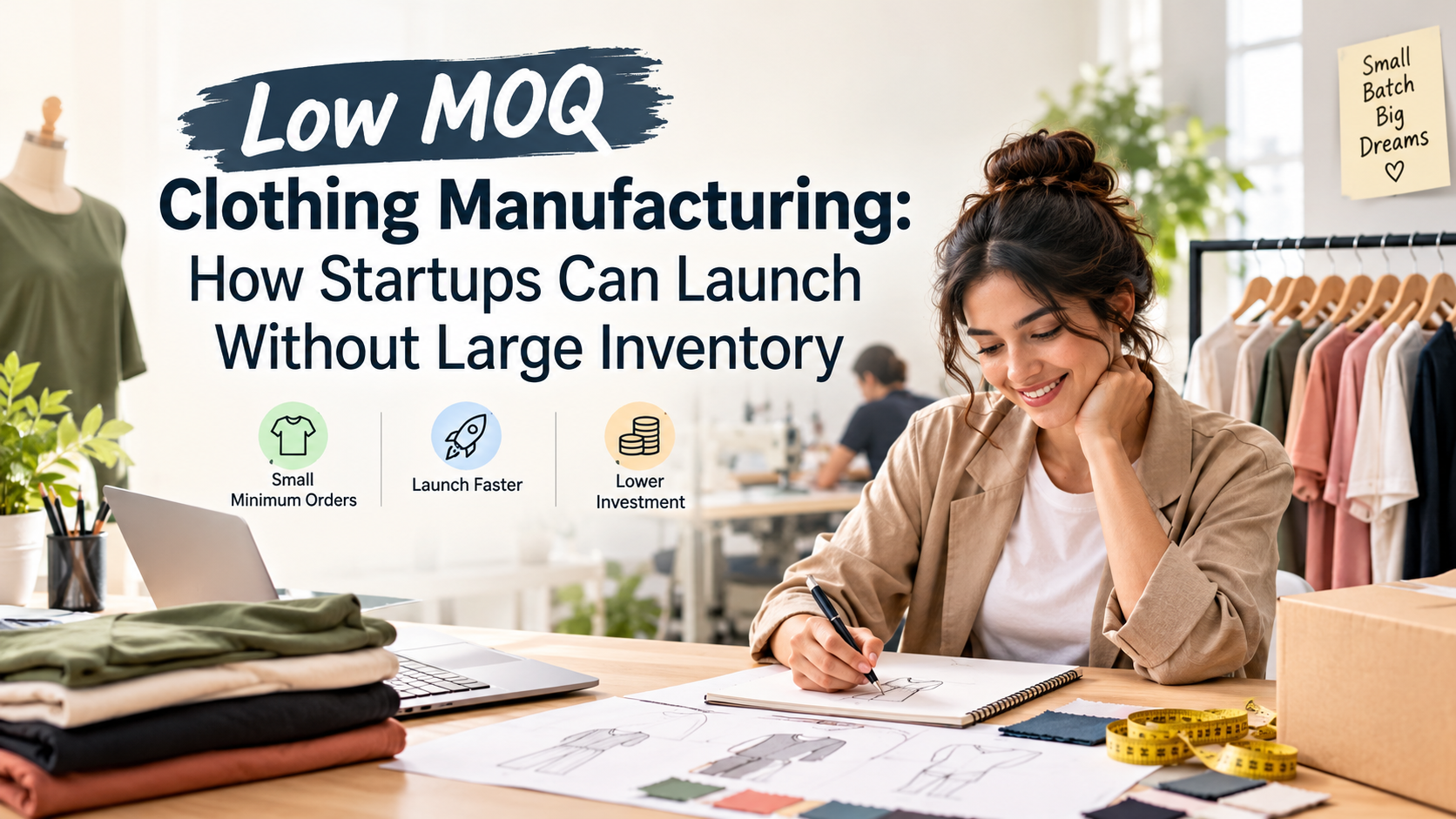
Small-batch clothing production can be an effective option for emerging fashion brands, niche labels, and established businesses testing new product ideas. Producing smaller quantities may help a business evaluate customer response before investing in a large inventory. It can also make it easier to experiment with new styles, colors, and fabric combinations while limiting the financial commitment associated with an untested collection.
However, smaller orders do not always result in a lower cost per garment. Sampling, pattern development, setup, fabric purchasing, and specialized finishing can create fixed costs that are spread across fewer units. Brands should ask manufacturers about minimum order quantities, fabric availability, sampling charges, and pricing at different order volumes. A useful approach is to launch a focused collection of carefully selected styles, review sales performance, and increase production as demand becomes clearer.
6. Verify Sustainability Certifications and Supply Chain Transparency
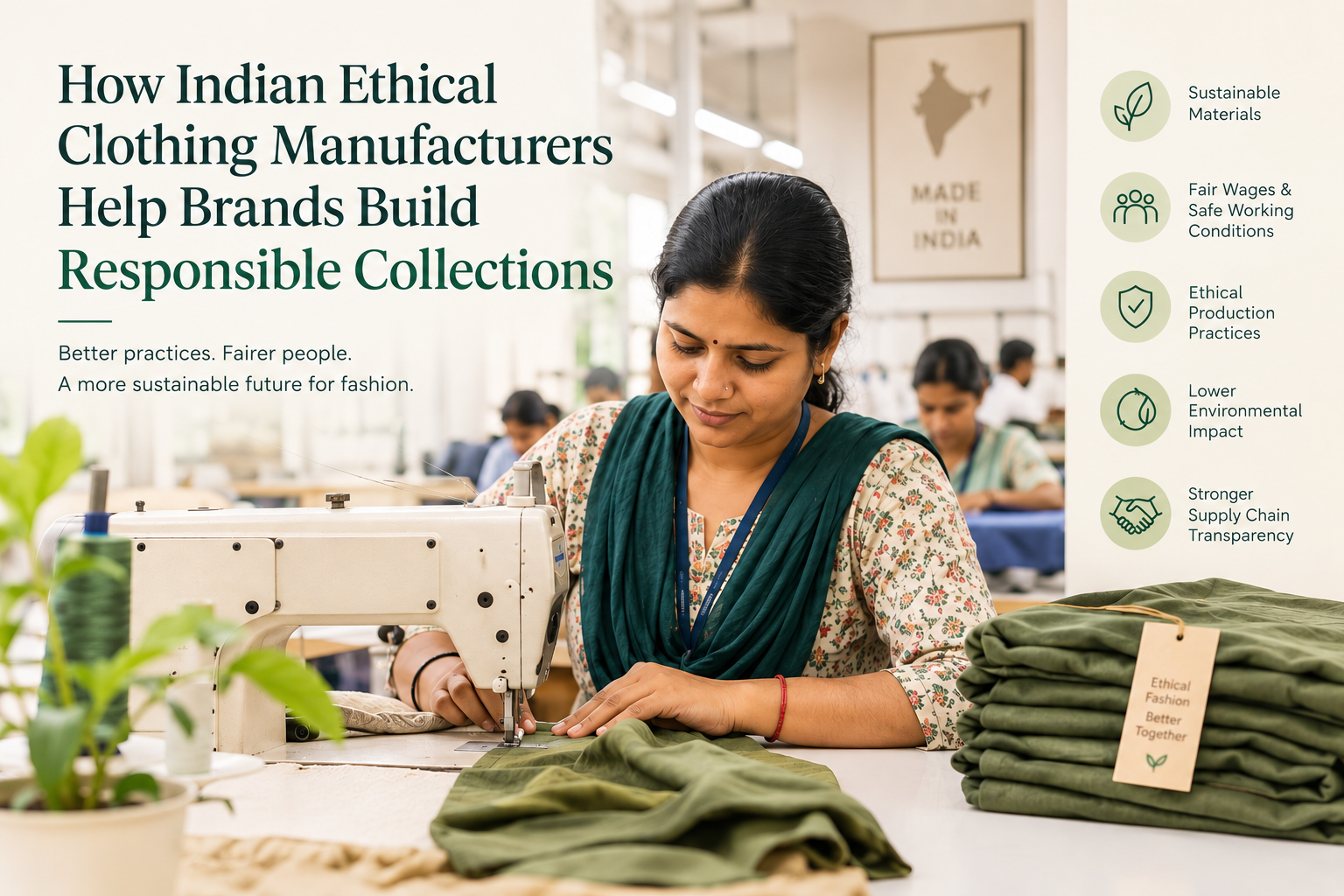
Sustainability claims should be supported by evidence. When selecting an organic cotton clothing manufacturer, hemp clothing manufacturer, or bamboo clothing manufacturer, ask for relevant certification details, transaction documentation, and information about the specific materials used in your order. Certifications such as the Global Organic Textile Standard (GOTS) and the Organic Content Standard (OCS) may be relevant to particular organic textile claims, while other standards address different aspects of textile processing or chemical management.
It is important to understand what each certification covers. A certificate for a supplier does not automatically mean that every product it sells is certified, and a material-content standard does not necessarily verify every environmental or social claim associated with a finished garment. Check certificate validity, scope, product coverage, and applicable chain-of-custody requirements. Brands should also request accurate composition labels and avoid using broad terms such as carbon-neutral, zero-impact, or fully sustainable without adequate supporting evidence.
7. Compare Quality Control, Production Capacity, and Lead Times
A manufacturing partner must be able to deliver garments that meet the agreed specifications consistently. Quality control may include fabric inspection, measurement checks, seam-strength evaluation, colorfastness testing, shrinkage testing, finishing inspections, and final garment checks. The specific testing requirements depend on the fabric, garment category, intended use, and destination market.
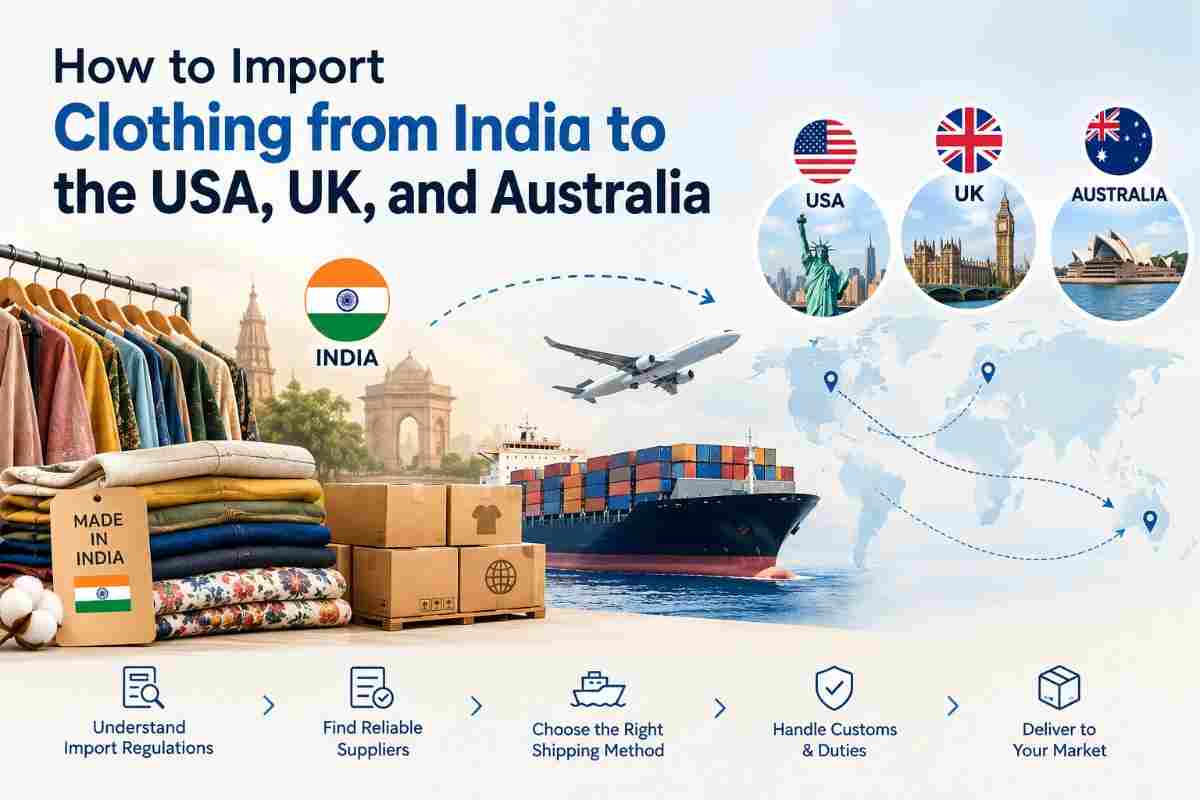
Ask prospective suppliers how quality issues are recorded, how defective products are handled, and whether production samples are retained for comparison with repeat orders. You should also discuss expected lead times for material sourcing, sampling, production, inspection, and shipping. International buyers need to account for customs procedures and transportation schedules when planning product launches. Clear timelines, written specifications, and defined quality standards can reduce delays and help maintain customer confidence.
8. Calculate the Total Manufacturing Cost
The lowest manufacturing quotation is not necessarily the best commercial option. The total cost of a clothing order can include fabric, trims, labor, pattern development, samples, printing, embroidery, dyeing, labels, packaging, testing, freight, insurance, duties, and other applicable charges. Some costs may vary substantially depending on the chosen fabric and the complexity of the garment.
Brands should calculate their estimated landed cost and compare it with their intended wholesale or retail pricing. They should also account for warehousing, marketing, returns, and operating expenses. Request a written quotation that identifies what is included and what may incur additional charges. This makes it easier to compare suppliers fairly and establish realistic profit margins without compromising important product requirements.
9. Why Consider Echo Earth for Apparel Manufacturing?
Echo Earth can be included in the supplier evaluation process for businesses exploring apparel manufacturing, private label collections, and clothing made with materials such as organic cotton, hemp, and bamboo-derived textiles. For international buyers, the first step is to share a clear product brief describing the intended garments, target market, fabric preferences, order quantities, customization requirements, and desired delivery schedule.
When assessing Echo Earth or any potential manufacturing partner, confirm the available OEM or ODM services, fabric sourcing options, sample development process, production minimums, certification documentation, and quality-control procedures. Ask for relevant examples of previous work and verify that the supplier can meet the technical and commercial requirements of your project. This due diligence helps ensure that the manufacturing arrangement is based on documented capabilities rather than assumptions.
A well-planned partnership can support the development of consistent clothing collections while allowing brands to concentrate on design, positioning, distribution, and customer relationships. Whether you are developing everyday basics, custom apparel, or a small initial collection, clear communication and realistic expectations remain essential throughout the process.
10. Build a Long-Term Manufacturing Partnership
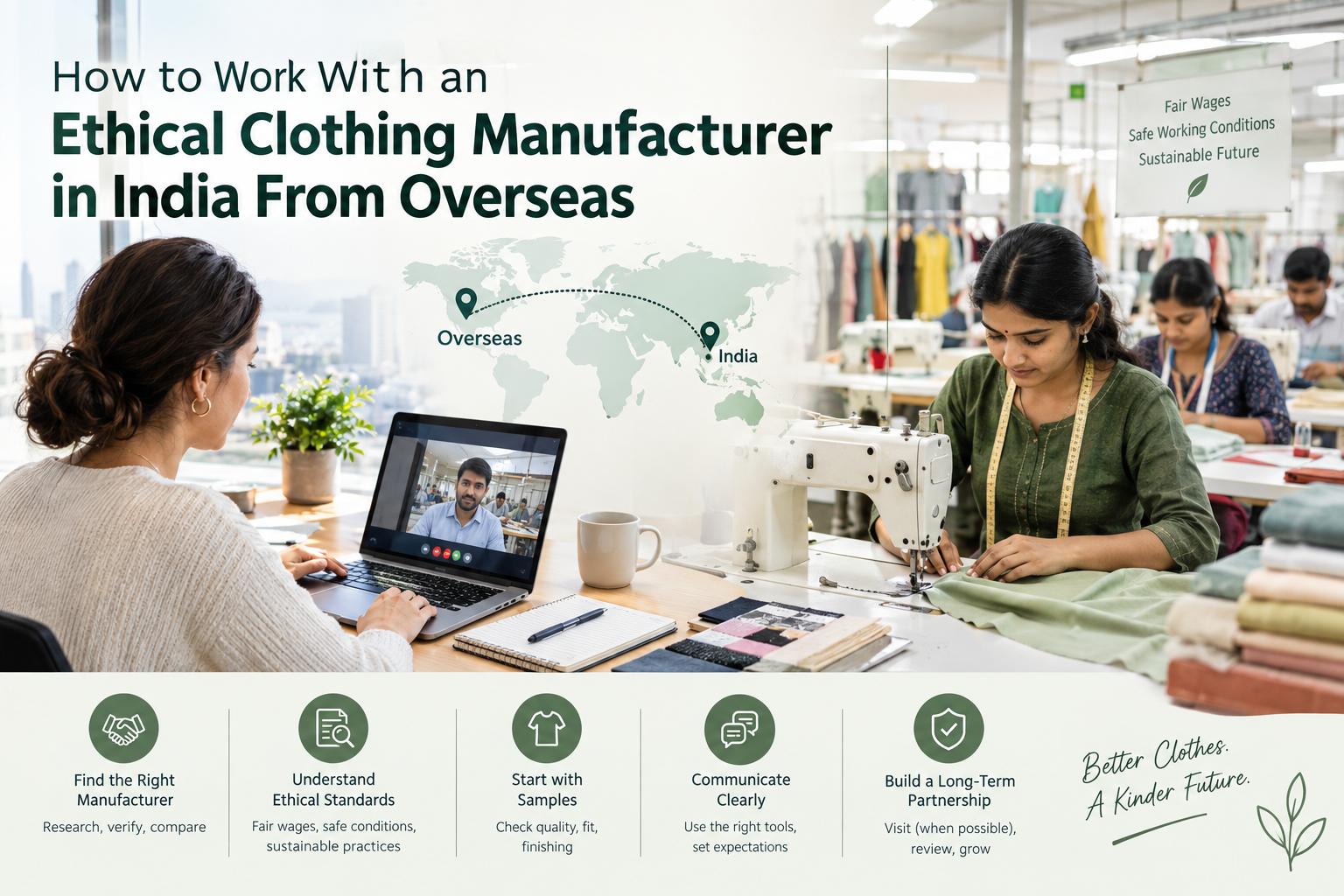
The relationship between a clothing brand and its manufacturer often becomes more valuable as both sides gain experience working together. Over time, a well-managed partnership can improve communication, reduce repeated development work, and make production planning more predictable. Manufacturers who understand a brand’s preferred measurements, fabrics, construction details, and quality expectations may be better positioned to support future collections.
Brands should maintain updated technical packs, approved samples, fabric specifications, and quality-control records. It is also helpful to review supplier performance after each order, considering product consistency, delivery reliability, responsiveness, and how effectively issues are resolved. Regular evaluation supports continuous improvement and helps businesses determine whether a manufacturing partner remains suitable as their product range and order volumes evolve.
FAQs
1. How do I choose the right sustainable apparel manufacturer?
Start by defining your garment requirements, preferred fabrics, target market, and order quantities. Compare manufacturers based on production capabilities, sample quality, material documentation, certifications, minimum order quantities, communication, quality control, and total costs. Verify important claims before placing an order.
2. What should I look for in an organic cotton clothing manufacturer?
Look for clear fabric composition details, applicable certification documentation, consistent quality, suitable fabric weights, shrinkage and colorfastness information, and experience with your garment category. Confirm that any organic claims apply to the specific materials and products being supplied.
3. Is hemp clothing suitable for private label brands?
Yes. Hemp and hemp-blend fabrics can be used for various clothing categories, including shirts, trousers, casualwear, and selected outerwear. The best choice depends on the fabric’s construction, softness, drape, durability, intended use, and the brand’s design requirements.
4. What is the difference between bamboo-derived fabric and organic cotton?
Organic cotton is made from cotton grown under applicable organic agricultural standards. Bamboo-derived textiles may be produced through processes such as viscose or rayon manufacturing, which convert bamboo cellulose into regenerated fibers. Their properties and environmental impacts depend on the material and its processing methods.
5. Is small-batch clothing production suitable for new brands?
Small-batch production can help new brands test designs, understand customer demand, and manage initial inventory commitments. However, minimum quantities and per-unit costs vary by manufacturer, fabric availability, and garment complexity. Request quotations for several quantities before choosing a production plan.
Conclusion
Choosing a suitable apparel manufacturing partner requires careful consideration of materials, product quality, customization, production capacity, certifications, and cost. Organic cotton, hemp, and bamboo-derived fabrics offer different possibilities for clothing brands, but the right choice depends on the garment’s intended use and the evidence supporting the material’s performance and sustainability claims.
For businesses exploring private label sustainable clothing, custom apparel manufacturing, and small-batch clothing production, the most effective approach is to establish clear specifications, request samples, verify supplier documentation, and compare the total cost of production. Echo Earth can be considered as part of this process when its verified services and manufacturing capabilities align with the brand’s needs. With thoughtful planning and a transparent supplier relationship, fashion businesses can develop distinctive clothing collections designed to meet customer expectations and support long-term growth.