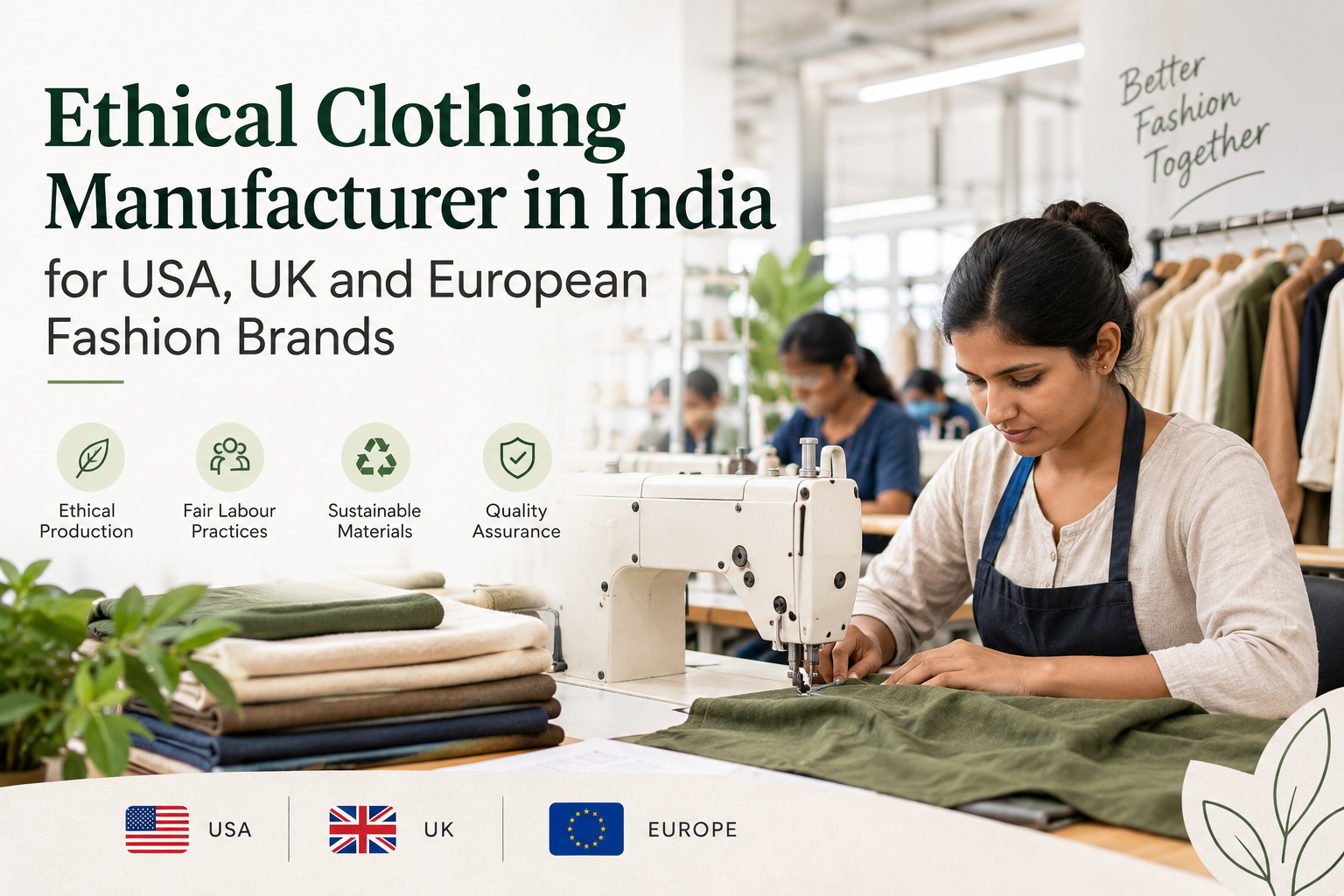



India has become an important sourcing destination for international fashion brands looking for reliable apparel manufacturing, flexible production capabilities, diverse fabrics, and competitive manufacturing costs. For businesses in the USA, UK, and Australia, working with an Indian clothing manufacturer can provide access to everything from custom garments and private-label collections to sustainable fabrics, printing, dyeing, and specialized production. However, importing clothing successfully requires more than finding a manufacturer and placing an order. Buyers need to understand product development, sampling, pricing, production timelines, quality control, documentation, shipping, customs requirements, and the responsibilities of both the supplier and importer.
For businesses planning to Import Clothes from India to USA, Import Clothes from India to UK, or Import Clothes from India to Australia, the process becomes much easier when each stage is planned before bulk production begins. Echo Earth works with international buyers looking for custom clothing manufacturing and export-oriented apparel production from India. From product development and sampling to manufacturing, finishing, packaging, and export coordination, having a structured production process can help fashion brands turn their designs into commercially ready collections while avoiding common sourcing mistakes.
Why Import Clothing from India?
India has a long-established textile and apparel industry supported by a wide range of raw materials, skilled garment workers, textile producers, processing facilities, and manufacturing capabilities. This makes India suitable for fashion brands that need both standard apparel production and more specialized products.
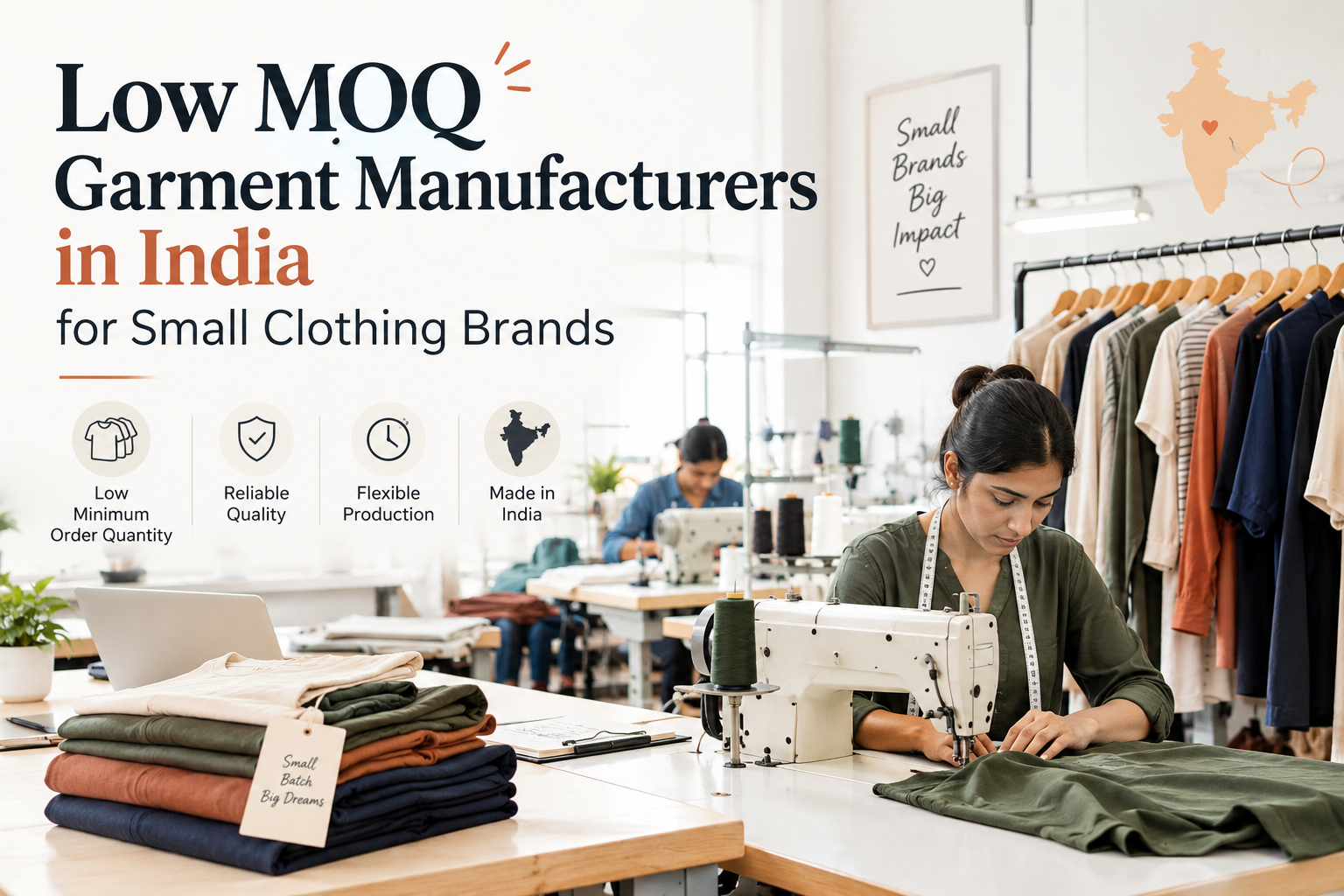
One of the major advantages of sourcing from India is the variety of materials available to international buyers. Cotton, linen, hemp, organic fabrics, blends, and other textile options can be used depending on the requirements of the collection. Manufacturers can also offer services such as fabric sourcing, dyeing, printing, embroidery, garment construction, labeling, finishing, and packaging.
For emerging brands, India can also be an attractive manufacturing market because production can be developed around specific designs and quantities rather than relying entirely on ready-made wholesale products. This allows businesses to build collections that reflect their own branding, customer preferences, and market positioning.
Understanding Clothing Manufacturing in India
Before importing garments, buyers should understand how Clothing Manufacturing in India generally works. A professional manufacturing process usually begins with the buyer’s product concept, specifications, sketches, reference samples, or technical documents.
The manufacturer then reviews the requirements and determines the appropriate fabric, trims, construction methods, measurements, printing or embroidery requirements, and finishing details. Depending on the product, a sample may be created before bulk production begins.
Sampling is an important stage because it gives the buyer an opportunity to evaluate the actual garment rather than making decisions only from drawings or digital images. The sample can be reviewed for fit, fabric feel, stitching, measurements, color, print placement, and overall appearance.
Once the sample and specifications are approved, bulk production can begin. A structured process helps reduce misunderstandings and gives both the manufacturer and buyer a clear reference for the final product.
Step 1: Define Your Clothing Product
The first practical step is to clearly define what you want to manufacture. Instead of approaching a manufacturer with only a general idea such as “I need T-shirts,” provide as much product information as possible.
Consider the garment category, target customer, fabric composition, weight, color, size range, fit, construction, branding requirements, printing or embroidery, labels, packaging, and estimated order quantity.
A detailed product brief helps the manufacturer understand your expectations and prepare a more accurate quotation. It also makes it easier to compare different manufacturing proposals.
For custom clothing, a tech pack can be especially useful. It may include technical drawings, measurements, fabric details, stitching instructions, color references, trims, artwork, labeling information, and packaging requirements.
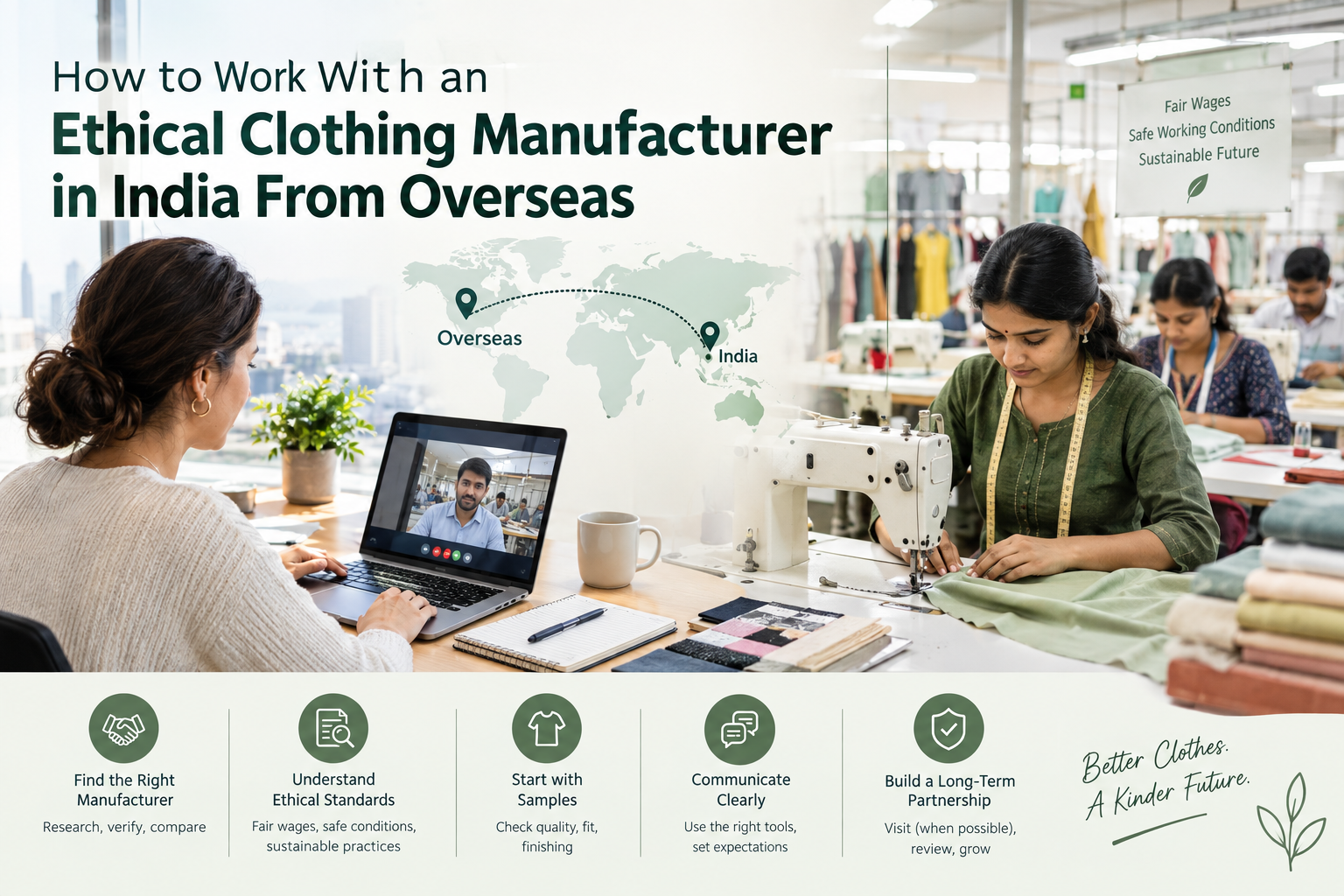
Step 2: Find the Right Indian Clothing Manufacturer
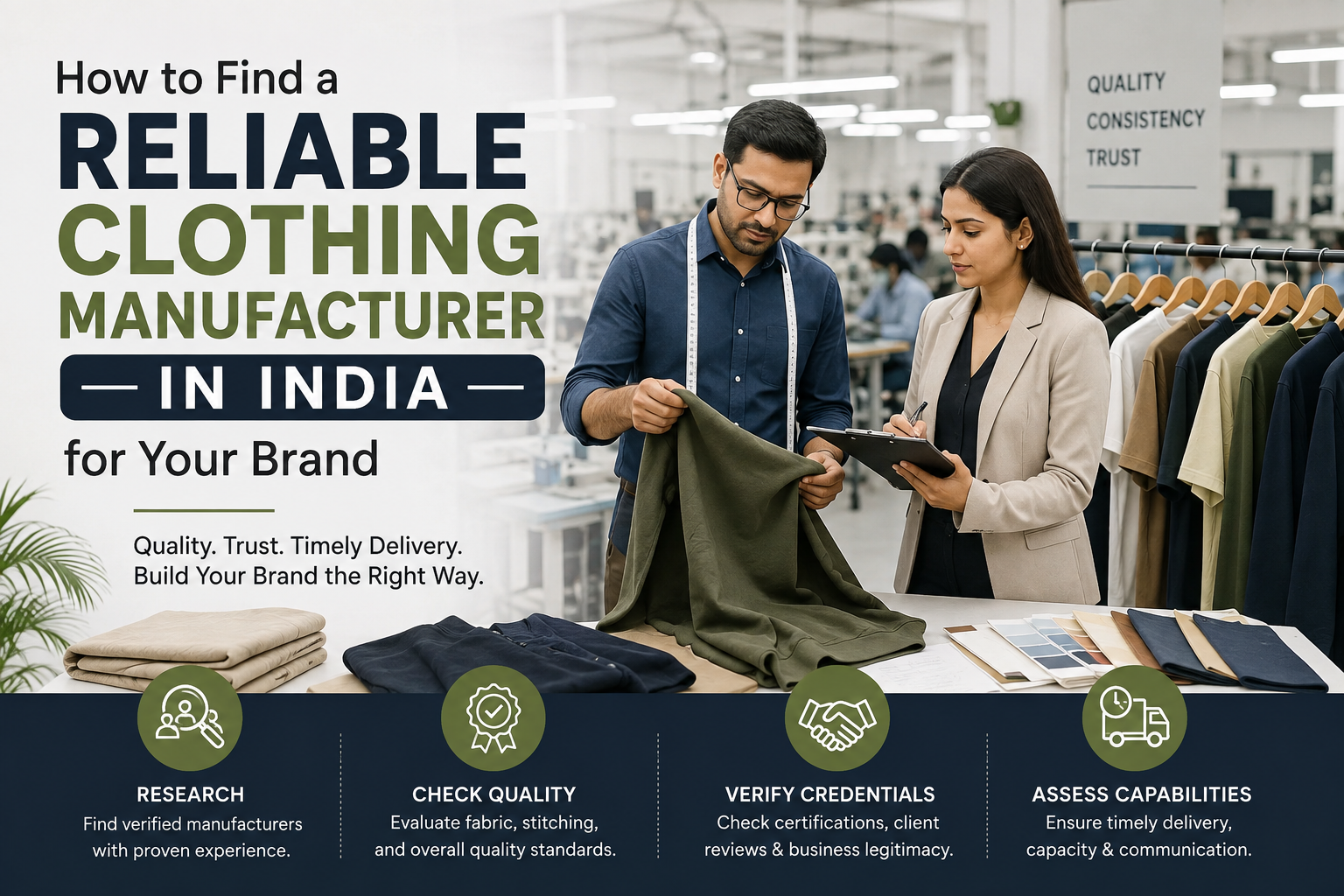
Choosing a manufacturer is one of the most important decisions in the sourcing process. A manufacturer that is suitable for one type of clothing may not necessarily be the best choice for another.
For example, a brand producing basic cotton T-shirts may have different requirements from a company developing premium resort wear, hemp apparel, activewear, children’s clothing, or fashion-forward garments.
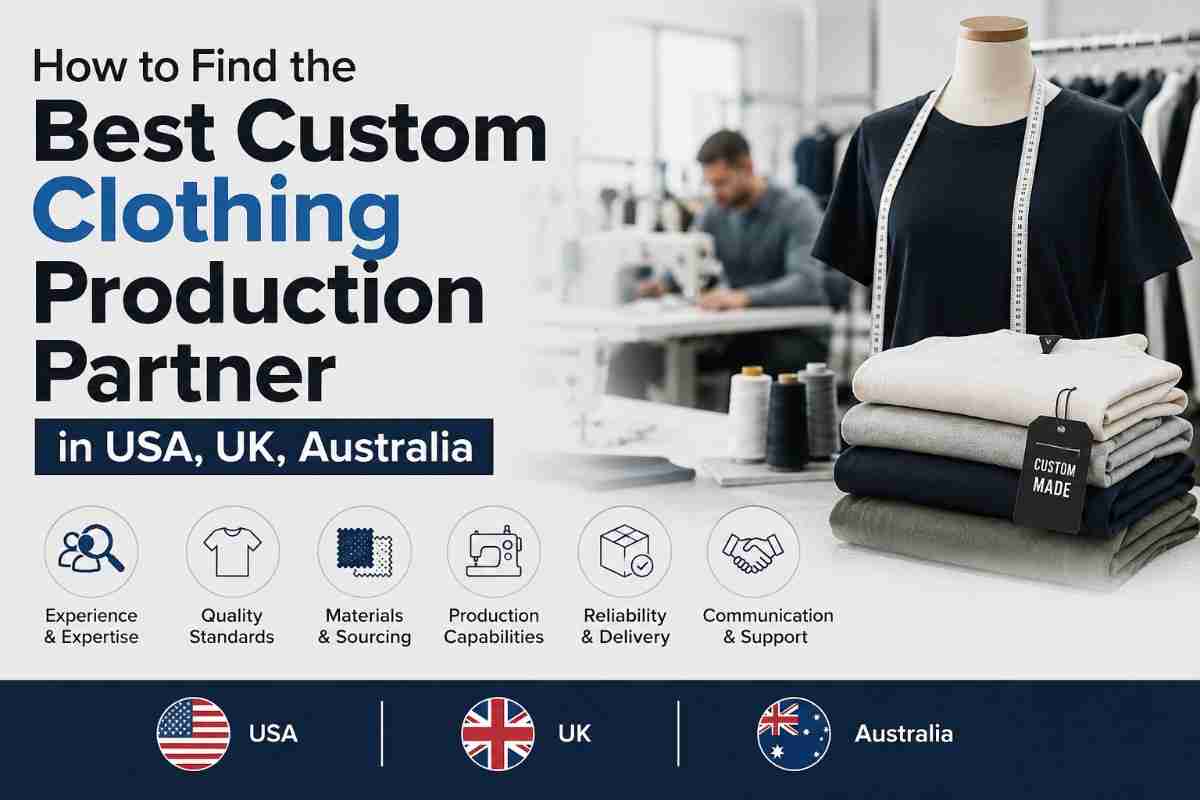
When evaluating manufacturers, look at their production capabilities, fabric options, sampling process, quality-control approach, customization capabilities, communication, production capacity, and experience with international buyers.
You should also ask whether the manufacturer can manage the complete production process or whether certain stages are outsourced. Understanding the supply chain can help you evaluate timelines and maintain better control over quality.
Step 3: Request Samples Before Bulk Production
Never treat sampling as an unnecessary step when developing custom clothing. A sample allows you to identify problems before committing to a larger production quantity.
During sample evaluation, check the garment’s measurements, fit, fabric weight, stitching, seams, color, print quality, embroidery, buttons, zippers, labels, and overall finishing. If changes are required, communicate them clearly and request another sample when necessary.
The goal is to have an approved production reference. Once the sample is finalized, both parties should have a clear understanding of what the finished garment should look like.
This stage can save considerable time and cost because correcting a problem in one sample is usually much easier than discovering the same issue after hundreds or thousands of garments have been manufactured.
Step 4: Confirm Pricing and MOQ
After the product specifications and sample requirements are clear, the manufacturer can provide a production quotation. The final cost can depend on several factors, including fabric type, garment construction, order quantity, printing, embroidery, trims, packaging, labeling, and customization.
Buyers should not compare manufacturers based solely on the lowest quoted price. A lower price may involve different fabric specifications, fewer finishing details, different packaging, or other production assumptions.
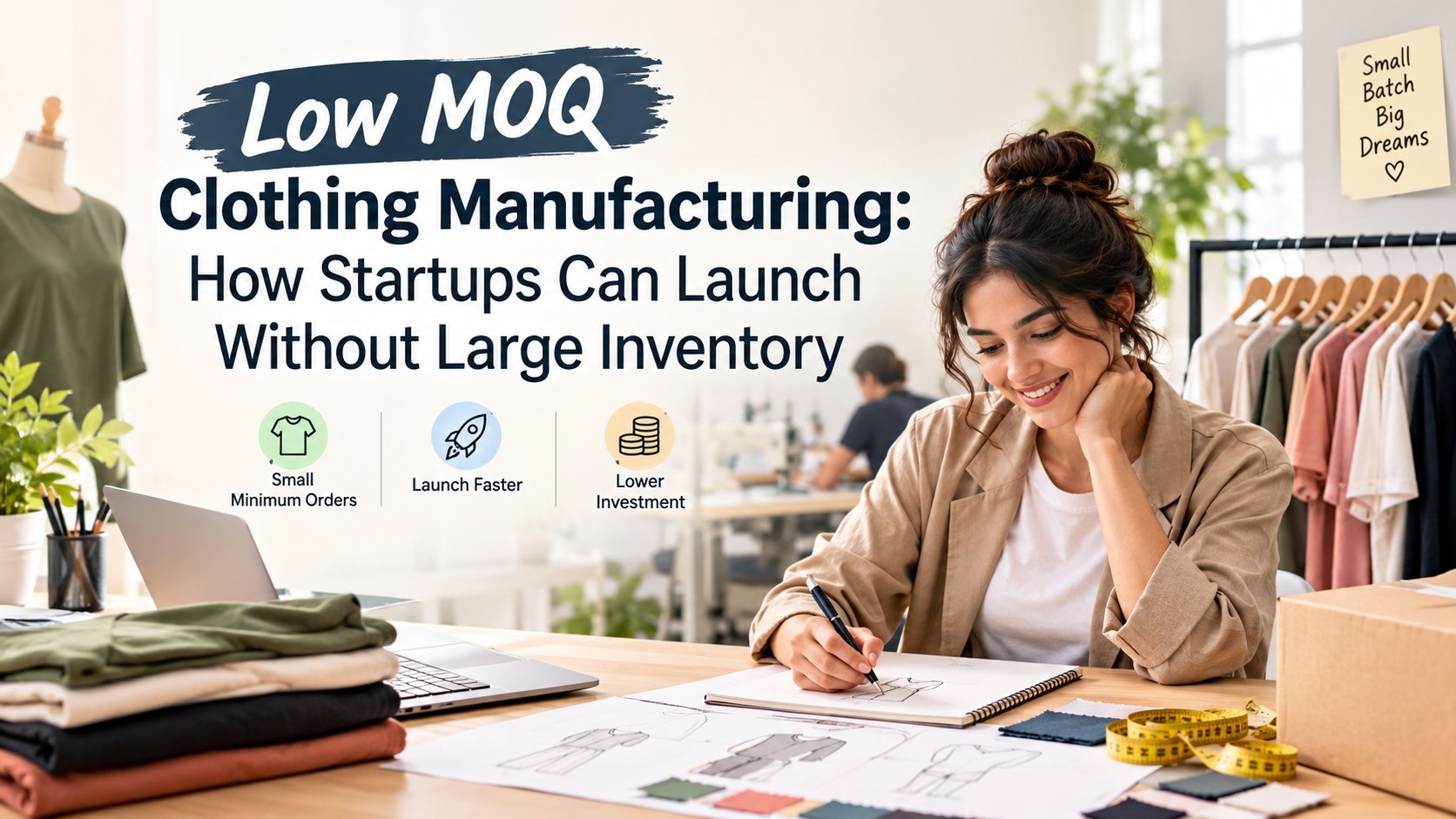
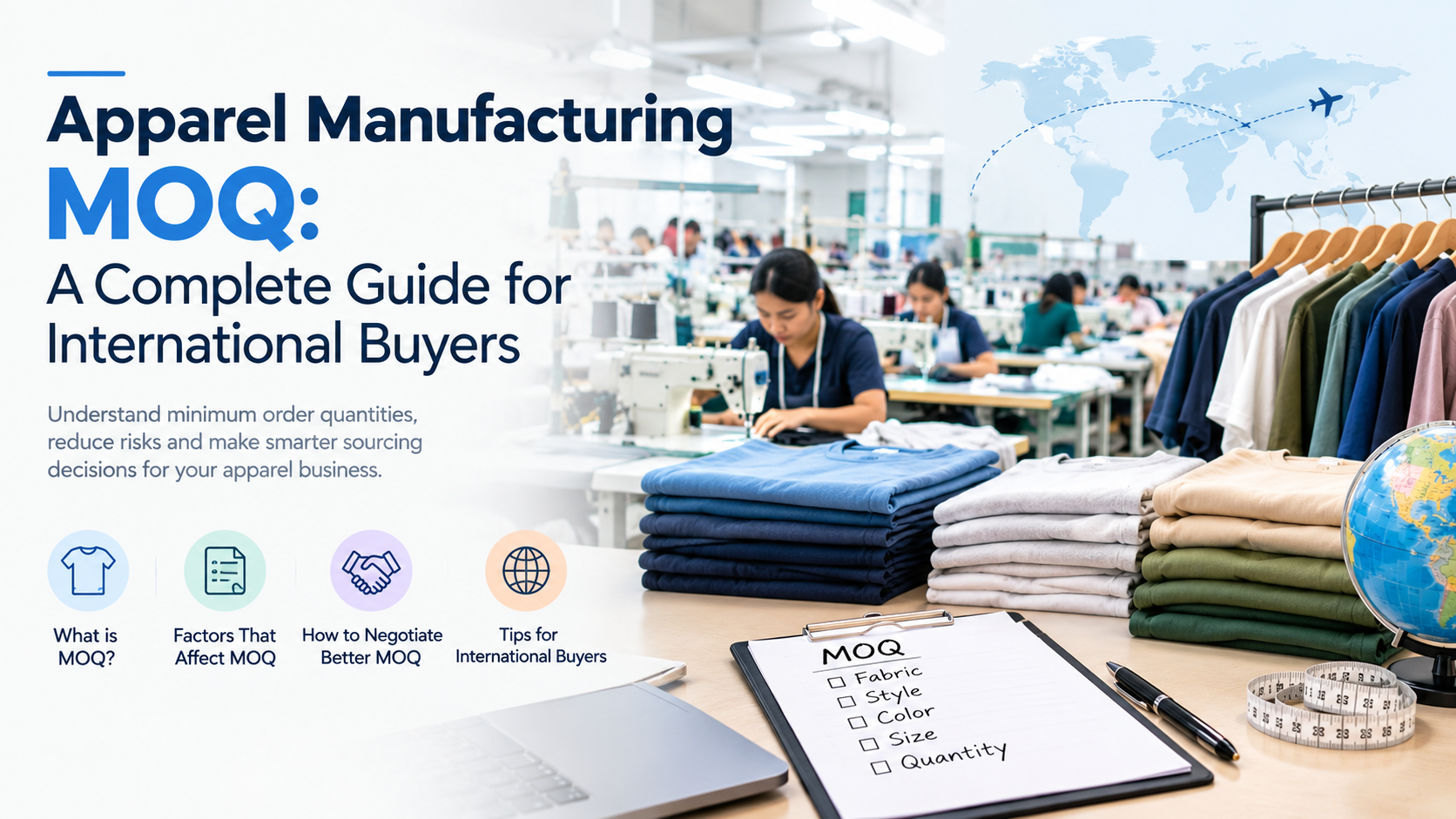
Minimum Order Quantity, commonly called MOQ, should also be discussed early. Your ideal MOQ depends on your business model, expected demand, available budget, and inventory strategy.
For a new fashion brand, placing a manageable first order can reduce the risk of holding excessive inventory. Established brands with predictable demand may be comfortable with larger production quantities.
Step 5: Finalize Production Details
Before bulk production begins, all important specifications should be confirmed in writing. This can include the approved sample, size chart, fabric composition, color references, artwork, labels, packaging, quantity, production price, payment terms, and delivery expectations.
Clear documentation creates a common reference for everyone involved in the order. It also reduces the risk of assumptions changing during production.
For international buyers, it is useful to establish which party is responsible for shipping arrangements, export documentation, insurance, customs clearance, duties, and other logistics-related responsibilities.
Step 6: Begin Bulk Clothing Production
Once all approvals are complete, the manufacturer can move into bulk production. Depending on the product, this may involve fabric procurement, fabric inspection, cutting, printing or dyeing, stitching, finishing, pressing, quality inspection, labeling, and packing.
Production time varies according to order size, garment complexity, fabric availability, customization, and the manufacturer’s current production schedule. Buyers should therefore discuss lead times before placing the order rather than assuming that every garment will follow the same timeline.
A realistic production schedule should also account for sampling, raw-material procurement, quality checks, packing, and international shipping.
Import Clothes from India to USA
Businesses planning to Import Clothes from India to USA should consider both manufacturing and import requirements. The exact requirements can depend on the type of apparel, materials used, country of origin, labeling, customs classification, and other factors.
US importers generally need to pay attention to accurate product descriptions, customs documentation, country-of-origin information, and applicable textile and apparel requirements. Clothing labels may also need information such as fiber content, country of origin, and responsible company details depending on the product and applicable regulations.
Importers should work with the relevant US authorities and customs professionals for current requirements because regulations can change and requirements can vary between products.
From a manufacturing perspective, it is important to provide the Indian supplier with accurate labeling instructions before production begins. Labels should not be treated as an afterthought because changing them after garments have been manufactured can create unnecessary delays and costs.
Import Clothes from India to UK
Businesses looking to Import Clothes from India to UK should similarly plan for customs, product labeling, documentation, and shipping requirements before production.
The UK has its own customs and product requirements, and businesses should confirm the current rules applicable to their specific garments before importing. The classification of the product, fiber composition, country of origin, customs value, and importer responsibilities can all affect the import process.
A reliable manufacturer should be able to prepare the production and export documentation required from the supplier’s side, while the importer remains responsible for meeting the requirements applicable to its business.
Planning these details early is especially important for brands selling directly to customers in the UK because labeling and product information may need to meet applicable consumer requirements.
Import Clothes from India to Australia
Companies planning to Import Clothes from India to Australia should also understand Australia’s import, customs, and product requirements before ordering garments.
Australian import requirements can vary according to the nature of the goods and the circumstances of the shipment. Buyers should confirm applicable customs classifications, duties, taxes, labeling requirements, and other obligations with the relevant Australian authorities or qualified import professionals.
For clothing brands, fabric composition and accurate product information are particularly important. Manufacturers should receive final labeling and packaging instructions before production so that the finished products are prepared correctly for the intended market.
Understanding Shipping and Export Documentation
Once production is complete, the garments need to be prepared for international shipment. Export documentation may include commercial invoices, packing lists, shipping documents, certificates, and other paperwork depending on the shipment and destination.
The shipping method can also influence the overall timeline and landed cost. Air freight is generally faster but can be more expensive, while ocean freight can be more economical for larger shipments but usually takes longer.
International buyers should calculate the complete landed cost instead of looking only at the factory price. Landed cost may include manufacturing, packaging, freight, insurance where applicable, customs duties, taxes, clearance charges, and other logistics expenses.
Understanding these costs before placing an order makes it easier to establish realistic retail pricing and profit margins.
Hemp Clothing Manufacturing in India
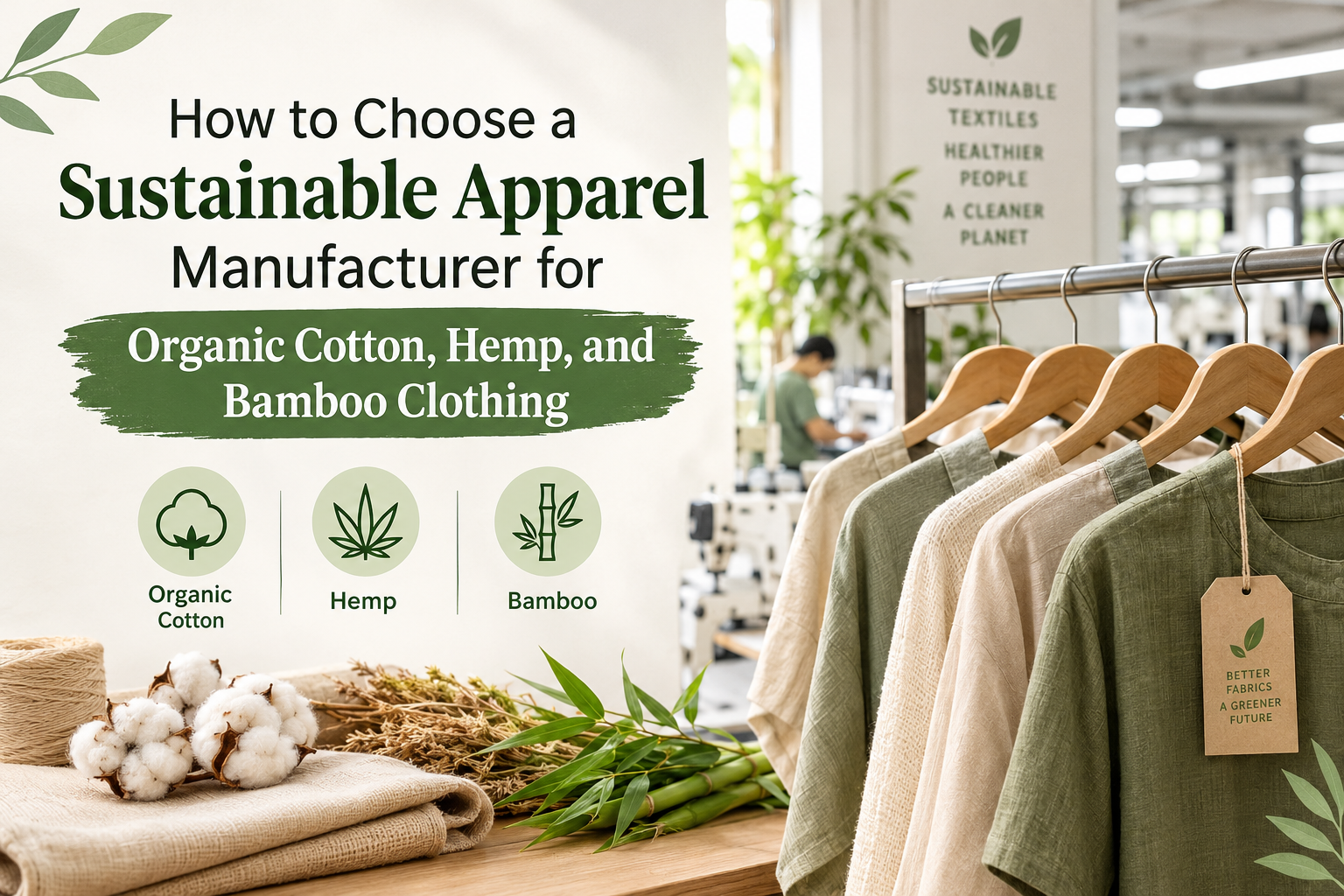
India is also an important sourcing destination for brands interested in alternative and plant-based textile materials. Hemp Clothing Manufacturing in India can be suitable for fashion companies developing collections that use hemp-based fabrics and blends.
Hemp textiles can be used for products such as shirts, dresses, trousers, jackets, tops, casualwear, and other apparel categories depending on the fabric construction and design requirements.
For buyers interested in hemp clothing, fabric specifications should be discussed carefully. Hemp can be blended with other fibers, and the final characteristics of the garment can vary depending on the fabric composition, weave, finishing, and manufacturing process.
Brands should therefore request fabric information and samples before committing to bulk production. This allows them to evaluate texture, weight, drape, color, comfort, and suitability for the intended garment.
Echo Earth can be a useful manufacturing partner for international brands exploring custom apparel and fabric-specific product development, including collections that require specialized material sourcing and production considerations.
How to Maintain Quality When Importing Clothing
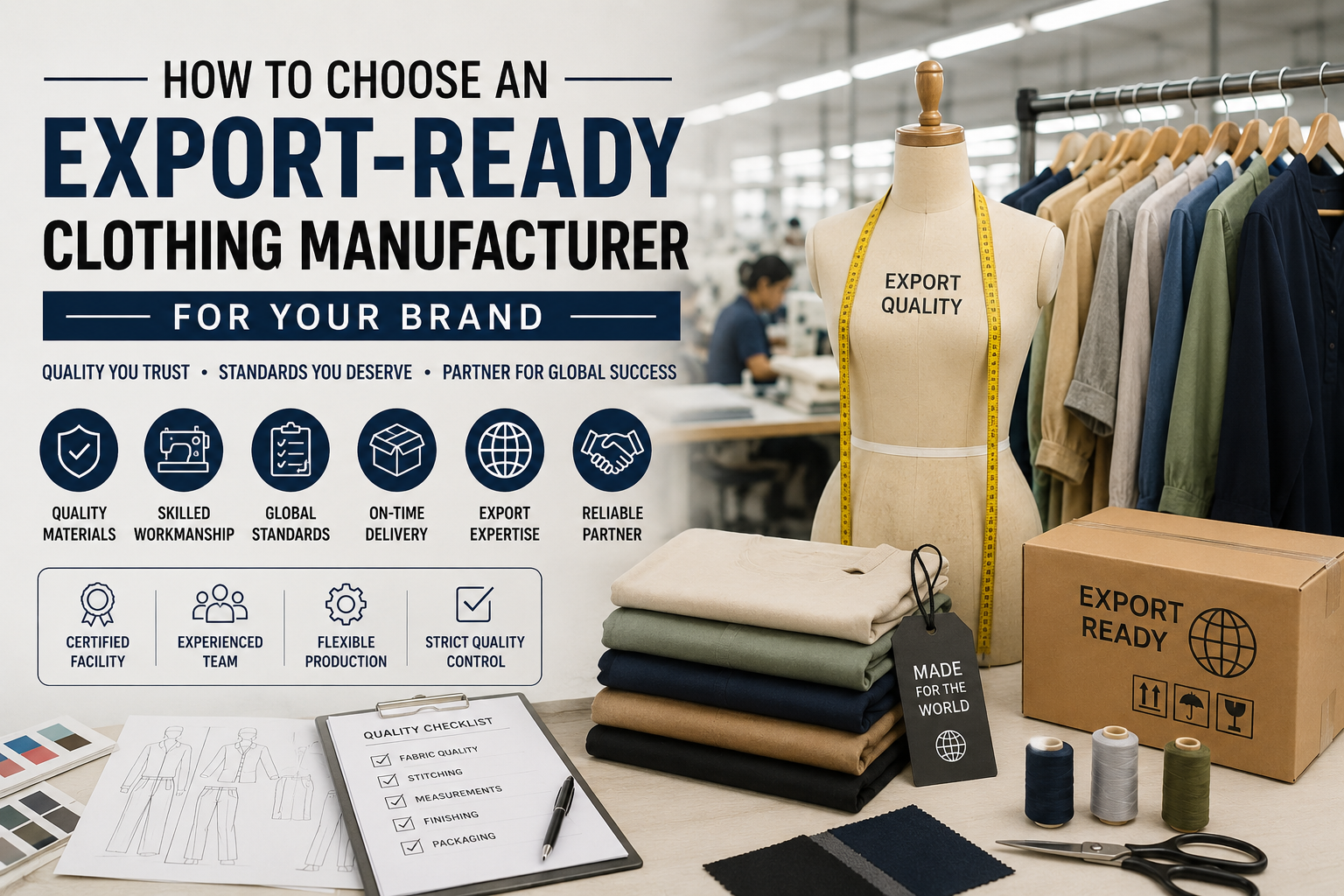
Quality control should be considered throughout the manufacturing process rather than only at the end. A buyer can establish quality expectations during the initial product-development stage by providing clear specifications and an approved sample.
During production, important factors may include fabric consistency, measurements, stitching quality, color matching, print or embroidery accuracy, garment finishing, and packaging.
For larger orders, buyers may also consider arranging a pre-shipment inspection or using an independent quality-control service. This can provide an additional level of assurance before goods leave the manufacturing facility.
Clear communication is equally important. If a product has specific tolerances or construction requirements, these should be documented rather than communicated informally.
Common Mistakes to Avoid When Importing Clothing from India
One common mistake is choosing a manufacturer based only on the lowest price. Manufacturing cost matters, but reliability, quality, communication, lead time, and consistency can have a much greater impact on the long-term success of a clothing brand.
Another mistake is skipping the sample stage. A digital design may look perfect but still require adjustments once it becomes a physical garment.
Buyers should also avoid placing large orders without confirming fabric availability and production timelines. Delays can affect product launches, seasonal collections, and retail commitments.
Finally, international buyers should not assume that the manufacturer is responsible for every import obligation in the destination country. Importer responsibilities vary, so businesses should confirm current requirements for their specific market before shipping.
Why Work with Echo Earth?
Echo Earth focuses on export-oriented clothing manufacturing for brands looking to develop custom apparel from India. Instead of treating manufacturing as simply a bulk-order process, the focus can begin with understanding the buyer’s product requirements and translating them into a practical production plan.
From custom clothing development and sampling to fabric selection, dyeing, printing, manufacturing, finishing, packaging, and export preparation, an integrated approach can simplify the sourcing process for international fashion businesses.
For brands in the USA, UK, Australia, and other international markets, working with an experienced Indian manufacturer can make it easier to coordinate product development while maintaining clear specifications throughout production. Echo Earth’s capabilities can be particularly relevant to businesses looking for customized collections, private-label products, or fabric-focused apparel development.
Contact Clothing Manufacturing in India
If you are planning a new fashion collection or looking for a manufacturing partner for an existing clothing brand, it is useful to begin with a clear product brief. Share your garment designs, estimated quantities, preferred fabrics, target market, customization requirements, and expected timeline with the manufacturer.
When you contact Clothing Manufacturing companies, ask about sampling, MOQ, production capacity, fabric sourcing, customization, quality control, packaging, lead times, and export support. Providing detailed information at the beginning can help the manufacturer understand your requirements and provide a more relevant production proposal.
Echo Earth can work with international brands seeking custom clothing manufacturing from India and can help turn product concepts into production-ready garments through a structured manufacturing process.
Final Thoughts
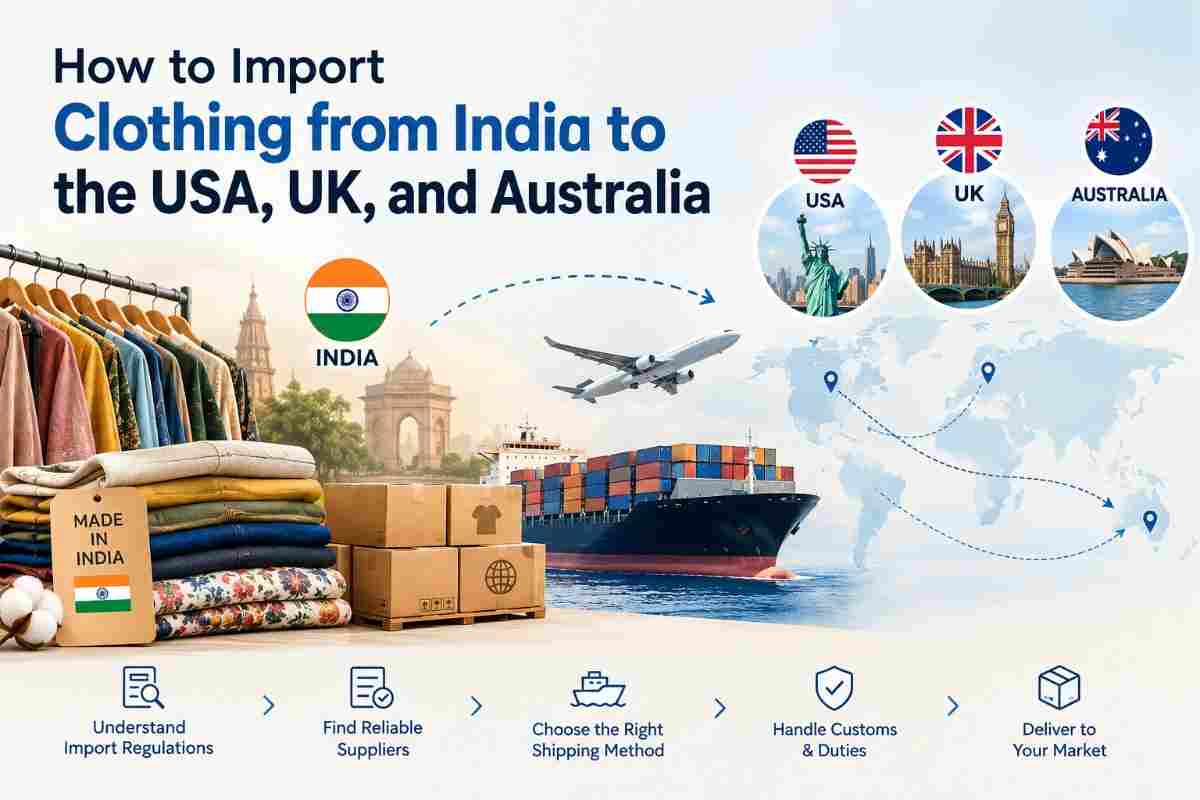
Importing clothing from India to the USA, UK, or Australia can be a practical sourcing strategy for fashion brands when the process is planned carefully. The key is to treat international clothing sourcing as a complete process rather than simply placing an order with a manufacturer.
From defining your product and selecting the right manufacturer to developing samples, confirming MOQ and pricing, managing bulk production, checking quality, preparing documentation, and arranging international shipping, each stage contributes to the final outcome. Buyers should also understand their responsibilities in the destination market and confirm current customs, labeling, tax, and import requirements before shipping.
Whether you are launching a new clothing brand, expanding an existing collection, or developing specialized apparel such as hemp-based garments, choosing the right manufacturing partner can make the entire process more efficient. With its focus on custom clothing production and international buyers, Echo Earth provides a manufacturing route for brands looking to develop and source apparel from India for global markets.