
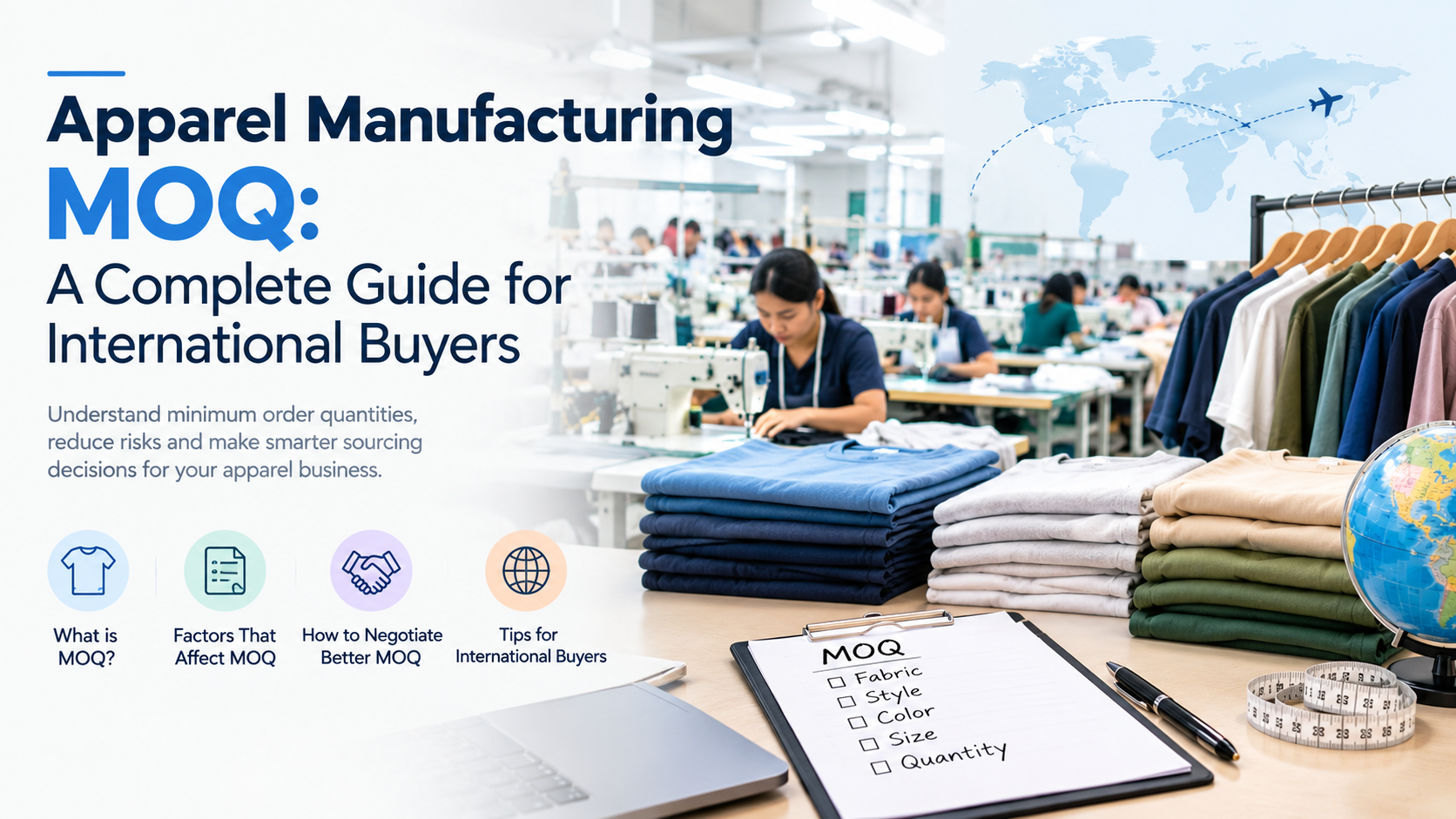
Apparel Manufacturing MOQ: A Complete Guide for International Buyers

When an international fashion brand starts looking for an apparel manufacturer, one of the first commercial questions is usually about MOQ, or Minimum Order Quantity. MOQ determines how many garments a buyer needs to order before a manufacturer begins production. For established fashion companies, a higher MOQ may be manageable because they already have predictable sales volumes, but for emerging labels, boutique retailers, startups, and businesses testing a new market, MOQ can significantly influence investment, inventory risk, cash flow, and product strategy. Understanding how apparel manufacturing MOQ works can therefore help international buyers make more informed sourcing decisions and choose production partners that match their business model. For brands sourcing garments internationally, MOQ should not be viewed simply as a number written on a supplier’s quotation. It can vary according to fabric, garment category, colors, sizes, printing, embroidery, dyeing, trims, packaging, production technology, and the level of customization required. A buyer researching Apparel Manufacturing MOQ USA, Apparel Manufacturing MOQ UK, or Apparel Manufacturing MOQ Australia needs to understand these variables before comparing manufacturers. At Echo Earth, the focus can be positioned around helping international apparel businesses understand manufacturing requirements and develop products with a practical approach to sourcing, production, quality, and order planning. Whether a brand is launching its first collection or expanding an established clothing line, understanding MOQ can make the manufacturing process more predictable and commercially sustainable. What Does MOQ Mean in Apparel Manufacturing? MOQ stands for Minimum Order Quantity. In apparel manufacturing, it refers to the smallest quantity of garments a manufacturer is willing to produce for a particular order, style, fabric, color, or production requirement. The exact meaning of MOQ differs between factories, so international buyers should always ask what the quoted MOQ actually applies to. For example, one manufacturer may state that its MOQ is 100 pieces per style, while another may require 100 pieces per color and another may calculate MOQ according to fabric consumption. A supplier could also have a minimum fabric order that affects the final garment quantity. This means that a buyer should never compare MOQ figures without understanding the complete production terms behind them. MOQ exists because apparel manufacturing involves fixed and variable costs. Creating patterns, preparing cutting markers, arranging fabric, setting up sewing lines, preparing printing or embroidery equipment, sourcing trims, developing samples, checking quality, and preparing packaging all require time and resources. Producing a very small number of garments may not be commercially efficient for a factory, particularly when the product requires specialized materials or processes. For this reason, MOQ is not automatically an indication that a manufacturer is expensive or inflexible. Instead, it is often connected to production efficiency and the economics of manufacturing. Why MOQ Matters to International Buyers MOQ directly affects how much inventory a business must purchase at the beginning of a production cycle. A brand ordering 500 garments has a very different cash-flow requirement from a brand ordering 5,000 garments. If the product sells quickly, a larger order can reduce the per-unit manufacturing cost. However, if demand is uncertain, excessive inventory can create storage costs, discounting pressure, and working-capital challenges. This is particularly important for startups and smaller fashion labels. A business may have a strong product concept but limited historical sales data. Ordering a large quantity before testing the market can increase financial risk. A lower MOQ can allow the brand to validate its product, collect customer feedback, analyze sales performance, and then place larger repeat orders. For international buyers, MOQ should therefore be evaluated alongside unit price, lead time, quality, payment terms, shipping costs, production capacity, and expected sales volume. The lowest MOQ is not always the best option, just as the lowest price is not necessarily the best manufacturing solution. How Apparel Manufacturing MOQ Is Calculated There is no universal MOQ formula used by every apparel manufacturer. Factories may calculate minimum quantities differently depending on their production model. One common approach is MOQ per style. In this case, the buyer must order a minimum number of units for each garment design. For example, a manufacturer could accept 200 units of a particular T-shirt design regardless of the number of sizes included. Another approach is MOQ per color. A buyer may need to order a minimum number of garments for each color because fabric dyeing and preparation create additional production costs. If a brand wants the same shirt in five different colors, the total minimum order may therefore become considerably larger. Some manufacturers use fabric-based MOQ. This is particularly relevant when custom fabrics or special dyeing processes are involved. A fabric mill may have its own minimum production requirement, meaning that the apparel manufacturer needs to purchase a certain quantity of material even if the garment order itself is relatively small. Understanding these distinctions is essential for international buyers comparing Apparel Manufacturing MOQ USA, Apparel Manufacturing MOQ UK, and Apparel Manufacturing MOQ Australia suppliers. Typical MOQ Differences by Garment Category MOQ can vary substantially depending on the type of apparel being manufactured. Basic T-shirts, shirts, leggings, hoodies, dresses, jackets, uniforms, activewear, and technical garments may all have different production requirements. Simple garments are generally easier to manufacture because they may use fewer components and standardized construction methods. More complex products can require additional trims, specialized machinery, detailed stitching, lining, zippers, custom hardware, embroidery, or technical fabrics. For example, a basic cotton T-shirt may be relatively straightforward to produce, while a structured jacket with multiple panels, lining, custom buttons, zippers, and specialized finishing may require more preparation. Similarly, activewear can involve stretch fabrics, specialized stitching, performance finishes, elastic components, and technical construction. This is why international buyers should ask for MOQ on a product-by-product basis rather than assuming that one factory-wide MOQ applies to every garment. Apparel Manufacturing MOQ USA: What International Brands Should Know The US apparel market is highly diverse, ranging from independent fashion labels and boutique retailers to large e-commerce companies and established clothing brands. Buyers considering Apparel Manufacturing MOQ USA often look for a balance between production

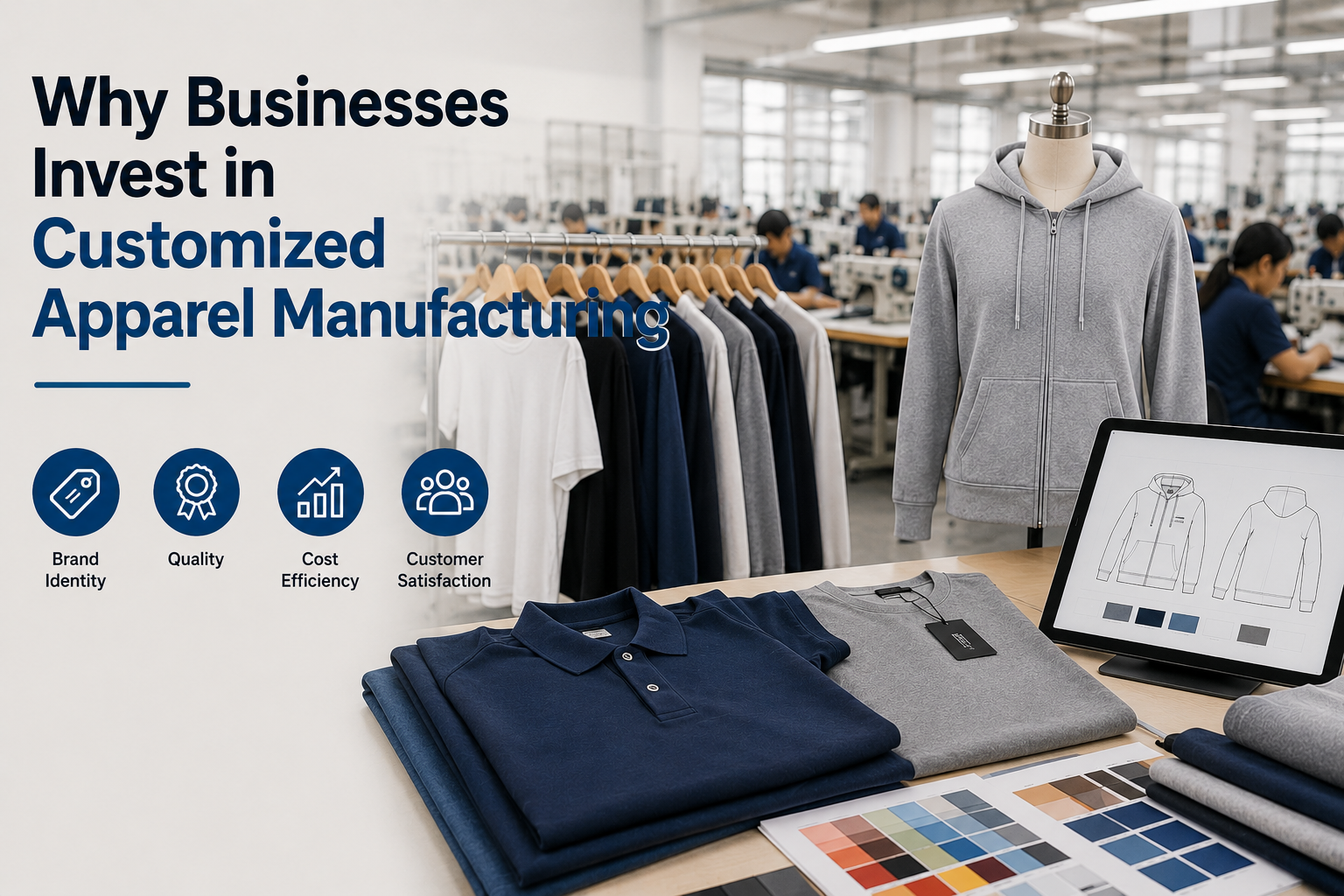
Customized Apparel Manufacturing
Why Businesses Invest in Customized Apparel Manufacturing

The global fashion and apparel industry has evolved significantly over the past decade. Consumers are no longer satisfied with generic clothing products that look similar to every other brand in the market. Modern buyers seek unique designs, personalized experiences, superior quality, ethical production practices, and brands that reflect their values. As competition continues to increase, businesses are looking for innovative ways to differentiate themselves and build stronger customer loyalty. One of the most effective strategies is investing in apparel manufacturing with customization, which allows brands to create distinctive products tailored to specific market demands and customer preferences. At Echo Earth, we understand that successful fashion brands require more than simply producing garments. They need a trusted manufacturing partner capable of transforming ideas into high-quality products while maintaining consistency, sustainability, and scalability. As an end to end apparel manufacturing company, Echo Earth supports businesses through every stage of product development, from concept creation and fabric sourcing to production and delivery. Whether you are an established fashion label or a startup seeking a reliable clothing manufacturer for startups, customized apparel manufacturing provides the flexibility and competitive advantage necessary for long-term growth. Understanding Customized Apparel Manufacturing Customized apparel manufacturing refers to the process of designing, developing, and producing garments according to the unique specifications of a brand. Unlike mass-market production models that focus on generic designs, customization allows businesses to control every aspect of their products, including fabric selection, garment construction, fit, color combinations, branding elements, trims, packaging, and finishing details. This level of control enables companies to create products that align closely with their brand identity and customer expectations. As fashion consumers become increasingly selective, customization helps businesses deliver distinctive collections that stand out in crowded marketplaces. For modern apparel brands, customization is not merely a design preference. It has become a strategic business decision that supports differentiation, brand recognition, customer loyalty, and long-term market positioning. Building a Unique Brand Identity One of the primary reasons businesses invest in customized apparel manufacturing is the opportunity to establish a unique brand identity. In today’s competitive fashion landscape, consumers are exposed to countless clothing options from local, national, and international brands. Standing out requires more than attractive marketing campaigns; it requires products that offer genuine uniqueness. Customized apparel allows brands to create exclusive collections that reflect their values, aesthetic vision, and target audience preferences. Every detail, from garment silhouettes and fabric textures to labels and packaging, contributes to a cohesive brand experience. At Echo Earth, our custom clothing production partner approach ensures that every product accurately represents the brand’s identity. By collaborating closely with clients, we help transform creative concepts into market-ready collections that strengthen brand recognition and customer engagement. Meeting Evolving Consumer Expectations Consumer expectations have changed dramatically in recent years. Today’s buyers prioritize individuality, authenticity, quality, and sustainability when making purchasing decisions. They seek products that align with their personal values and lifestyle preferences. Customized apparel manufacturing enables brands to respond quickly to these changing demands. Instead of relying on generic products, businesses can create collections tailored to specific demographics, seasonal trends, and niche markets. The ability to offer unique products helps brands build stronger emotional connections with customers. Consumers are more likely to remain loyal to brands that consistently provide personalized and relevant experiences through thoughtfully designed apparel collections. Greater Control Over Product Quality Quality remains one of the most important factors influencing customer satisfaction and brand reputation. Poor-quality products can damage consumer trust and negatively impact long-term business performance. Customized manufacturing provides businesses with greater control over quality standards throughout the production process. By working with an experienced end to end apparel manufacturing partner, brands can oversee material selection, garment construction techniques, finishing processes, and quality assurance procedures. This level of involvement helps ensure that final products meet both customer expectations and brand standards. At Echo Earth, quality is integrated into every stage of production. Our comprehensive manufacturing approach helps businesses maintain consistency while delivering garments that reflect premium craftsmanship and attention to detail. Flexibility in Design and Innovation Fashion trends evolve rapidly, making adaptability essential for long-term success. Customized apparel manufacturing provides brands with the flexibility needed to experiment with new ideas, respond to market changes, and launch innovative collections. Unlike traditional mass production models, customization allows businesses to test designs, introduce limited-edition products, and adjust production strategies based on consumer feedback. This agility helps brands remain competitive in dynamic fashion markets. Innovation often serves as a key differentiator in the apparel industry. Through customization, businesses can explore unique fabrics, advanced garment technologies, sustainable materials, and creative design elements that enhance their product offerings. Supporting Startup Growth and Emerging Brands Launching a new apparel brand presents numerous challenges, including product development, sourcing, manufacturing, and inventory management. Startups often struggle to find manufacturing partners willing to support smaller production volumes while maintaining quality standards. A reliable clothing manufacturer for startups plays a critical role in helping emerging brands navigate these challenges. Customized manufacturing solutions allow startups to produce collections that align with their vision without requiring excessive inventory investments. Echo Earth works closely with startups and growing fashion businesses, providing scalable manufacturing solutions that support sustainable growth. Our collaborative approach helps entrepreneurs transform ideas into successful apparel brands while minimizing production risks. Ethical Manufacturing as a Competitive Advantage Ethical production practices have become increasingly important for both consumers and businesses. Buyers are paying closer attention to how products are manufactured, including labor conditions, environmental impact, and supply chain transparency. Working with an ethical clothing manufacturer India provides brands with an opportunity to demonstrate social responsibility while meeting consumer expectations. Ethical manufacturing supports fair labor practices, worker welfare, and environmentally responsible production methods. Businesses that prioritize ethical sourcing often experience stronger customer trust and improved brand loyalty. Consumers appreciate transparency and are more likely to support brands that align with their values. The Importance of SEDEX Certification Supply chain transparency and ethical compliance are becoming essential requirements in the global apparel industry. Many brands seek manufacturing partners that adhere to

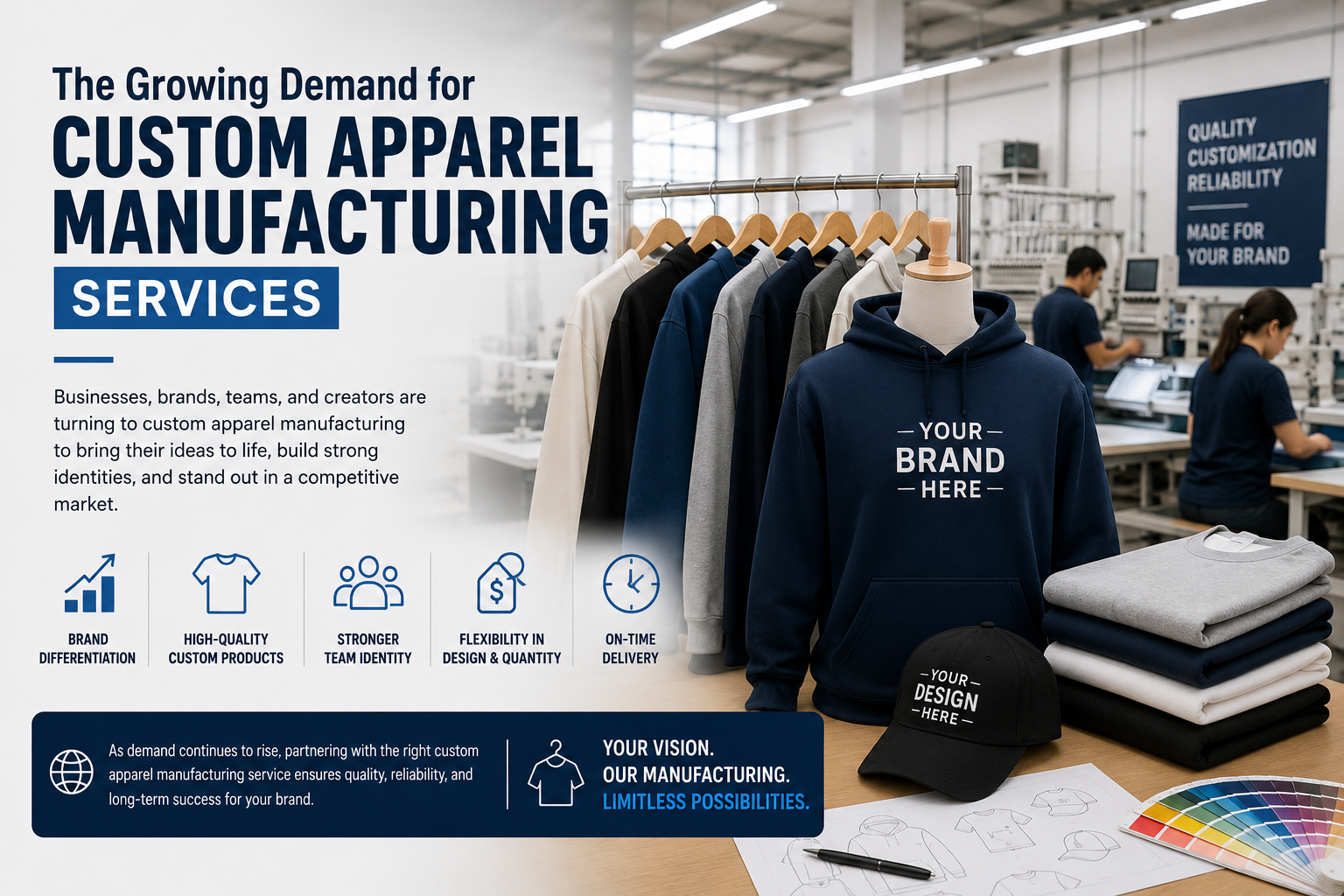
The Growing Demand for Custom Apparel Manufacturing Services

The global fashion and apparel industry has undergone a remarkable transformation over the last decade. Consumers are no longer satisfied with generic clothing products that lack individuality and brand identity. Instead, businesses and customers are increasingly seeking customized apparel solutions that reflect unique styles, values, and market preferences. This shift has created unprecedented opportunities for brands to differentiate themselves through personalized products, private labeling, sustainable manufacturing, and innovative design concepts. As competition intensifies within the fashion industry, companies are turning toward apparel manufacturing with customization to create distinctive collections that resonate with their target audiences while strengthening brand recognition. The growing popularity of e-commerce, social media marketing, and direct-to-consumer business models has further accelerated the demand for customized apparel production. Startups, emerging fashion labels, corporate brands, and established retailers now require manufacturing partners capable of delivering flexible, high-quality, and scalable solutions. Modern businesses are looking for an end to end apparel manufacturing partner that can handle everything from concept development and fabric sourcing to production, packaging, and delivery. At Echo Earth, we understand the evolving needs of fashion brands and provide comprehensive manufacturing solutions designed to support innovation, sustainability, and long-term business growth. As a trusted custom clothing production partner, we help businesses transform creative ideas into market-ready apparel collections while maintaining the highest standards of quality and ethical production. Understanding the Rise of Custom Apparel Manufacturing Consumer behavior has changed dramatically in recent years. Modern customers value uniqueness, personalization, and brand authenticity more than ever before. Rather than purchasing mass-produced garments, they prefer products that align with their personal preferences and lifestyles. This shift has encouraged brands to develop customized apparel collections that offer greater exclusivity and stronger customer engagement. The rise of digital marketing and online retail platforms has also enabled smaller brands to compete effectively with larger fashion companies. Through customized production strategies, businesses can create specialized product lines tailored to niche markets and specific customer segments. This trend has significantly increased the demand for apparel manufacturing with customization, making it one of the fastest-growing segments within the global apparel industry. Why Brands Prefer Customized Apparel Manufacturing Customization provides businesses with a competitive advantage by allowing them to differentiate their products in crowded marketplaces. Fashion brands can customize fabrics, colors, fits, prints, labels, packaging, embroidery, and branding elements to create unique customer experiences. This flexibility helps companies establish stronger identities and build lasting relationships with consumers. Working with a professional custom clothing production partner enables brands to maintain consistency while adapting products to evolving market trends. Customized manufacturing supports innovation and allows businesses to respond quickly to changing consumer demands. As a result, many companies now view customization as a critical component of their growth strategy. The Importance of End-to-End Apparel Manufacturing Solutions Managing multiple suppliers and production partners can create operational challenges, delays, and quality inconsistencies. This is why many brands prefer an end to end apparel manufacturing approach that streamlines the entire production process under a single management system. End-to-end manufacturing services typically include design consultation, product development, pattern making, sampling, fabric sourcing, production planning, manufacturing, quality control, packaging, and logistics coordination. By consolidating these activities, brands benefit from improved communication, greater efficiency, reduced risks, and faster time-to-market. At Echo Earth, we provide complete apparel manufacturing solutions that simplify production management and allow clients to focus on branding, marketing, and business development while we handle manufacturing operations. The Role of Startups in Driving Manufacturing Demand The startup ecosystem has contributed significantly to the growth of custom apparel manufacturing services. Entrepreneurs entering the fashion industry often seek manufacturing partners who can support smaller production volumes while maintaining high quality standards. These emerging brands require flexibility, guidance, and scalable solutions that accommodate future growth. A reliable clothing manufacturer for startups plays a crucial role in helping new businesses establish strong foundations. Startups often face budget constraints, limited production experience, and evolving product requirements. Manufacturing partners who offer comprehensive support can help minimize risks and accelerate market entry. The increasing number of direct-to-consumer fashion brands has further strengthened demand for manufacturing services tailored specifically to startup needs. Customized production allows these businesses to launch unique collections without committing to excessive inventory investments. Sustainability and Ethical Manufacturing Trends Sustainability has become one of the most influential factors shaping the modern apparel industry. Consumers are increasingly concerned about environmental impact, labor practices, and supply chain transparency. As awareness grows, brands are actively seeking manufacturing partners who prioritize responsible production methods. An ethical clothing manufacturer India offers significant advantages by implementing sustainable practices, fair labor standards, responsible sourcing, and environmentally conscious production processes. Ethical manufacturing not only supports social responsibility but also enhances brand reputation and consumer trust. At Echo Earth, sustainability is integrated into every stage of our manufacturing operations. We believe that responsible apparel production creates long-term value for businesses, consumers, and the environment alike. Why SEDEX Certification Matters As global supply chains become more transparent, brands increasingly prioritize partnerships with certified manufacturers. A SEDEX certified clothing manufacturer demonstrates commitment to ethical business practices, worker welfare, health and safety standards, environmental responsibility, and operational transparency. SEDEX certification provides reassurance that manufacturing processes align with internationally recognized standards. This is particularly important for brands targeting international markets where compliance and sustainability requirements continue to grow. Working with a SEDEX certified clothing manufacturer helps brands strengthen supply chain credibility while meeting customer expectations regarding ethical sourcing and responsible production practices. Customization Supports Brand Identity One of the primary reasons businesses invest in customized apparel manufacturing is to strengthen brand identity. Unique product designs help companies distinguish themselves from competitors and create memorable customer experiences. Custom labels, packaging, embroidery, printing techniques, and design elements contribute to a cohesive brand image that resonates with consumers. Through apparel manufacturing with customization, brands gain greater control over product presentation and customer perception. This control enables businesses to communicate their values, aesthetics, and market positioning more effectively. Strong brand identity often translates into increased customer loyalty and long-term business growth. Technology Driving Apparel Manufacturing Innovation