
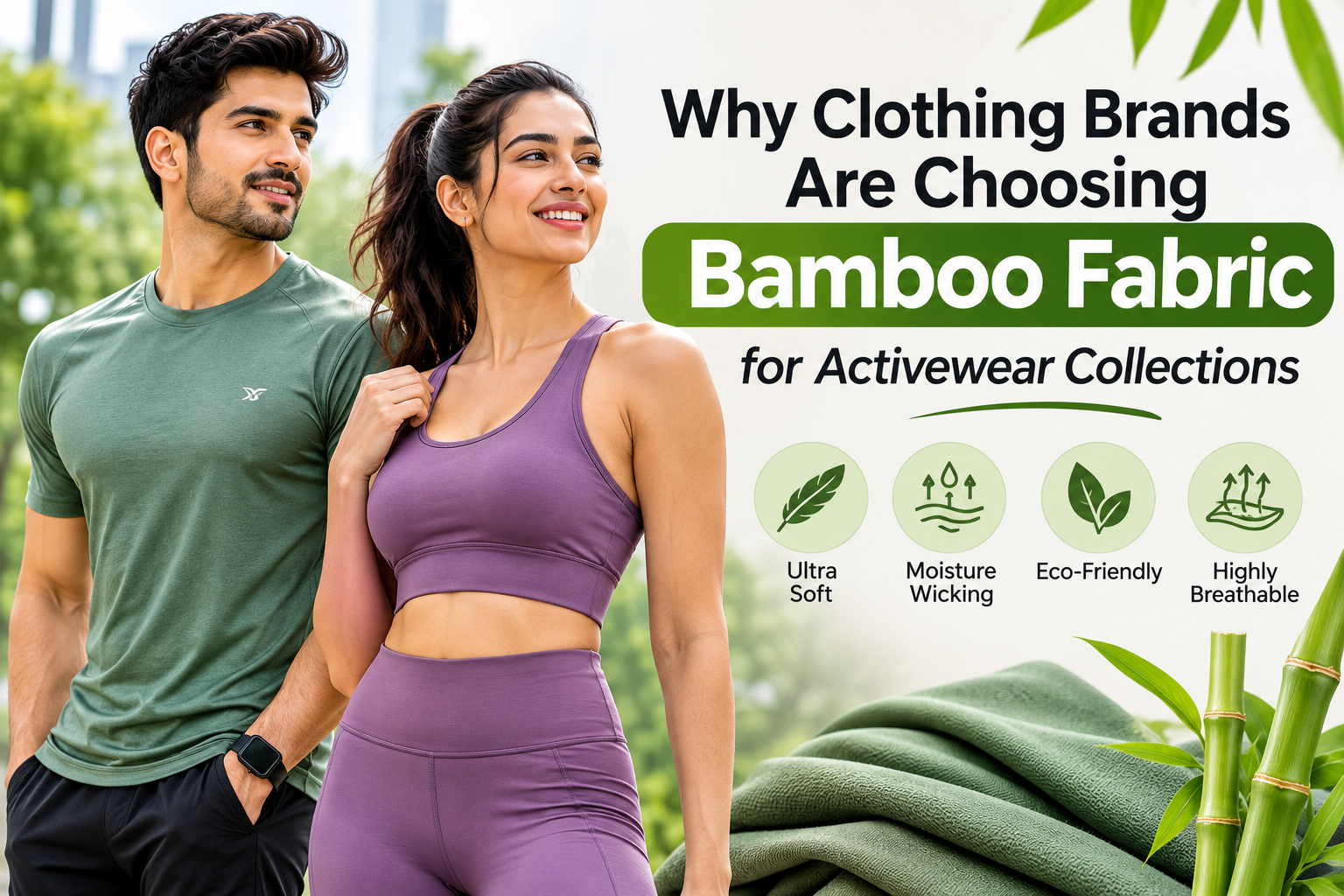
The global activewear industry is continuously evolving as clothing brands explore new fabrics, innovative designs, and manufacturing solutions to meet changing customer expectations. Today’s consumers are looking beyond appearance when choosing workout clothes, yoga wear, leggings, sports bras, and everyday athleisure outfits. Fabric comfort, softness, breathability, flexibility, and overall garment performance have become important purchasing considerations. Among the different textile options available, bamboo-based fabrics are attracting attention from fashion businesses looking to develop modern activewear collections. Their soft texture, lightweight feel, and versatility make them an interesting option for brands creating products for yoga, fitness, casual wear, and lifestyle apparel. As demand for fabric innovation grows, bamboo activewear is becoming a relevant category for clothing manufacturers, wholesale suppliers, and private-label fashion businesses.
For apparel brands operating in the United States, selecting the right manufacturing partner is just as important as choosing the right fabric. Businesses need manufacturers that understand fabric sourcing, garment construction, sampling, customisation, quality control, and international production requirements. Working with an experienced Bamboo Activewear Manufacturer USA can help brands explore suitable fabric options and develop collections aligned with their product positioning. Echo Earth supports the evolving apparel industry through export-oriented clothing manufacturing solutions, with a focus on custom apparel development, responsible material choices, and private-label production. By combining suitable fabric selection with thoughtful manufacturing processes, brands can create activewear collections designed around modern consumer preferences.
Why Is Bamboo Fabric Becoming Popular in the Activewear Industry?
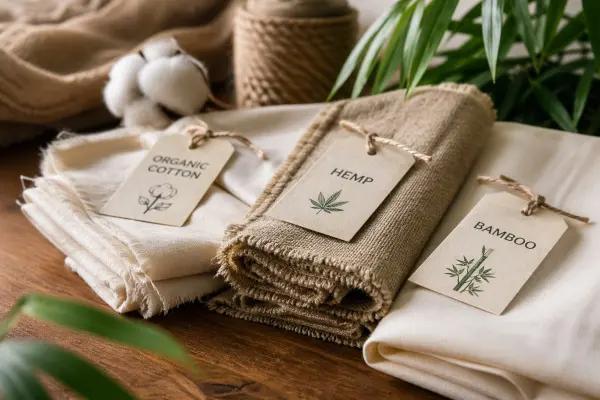
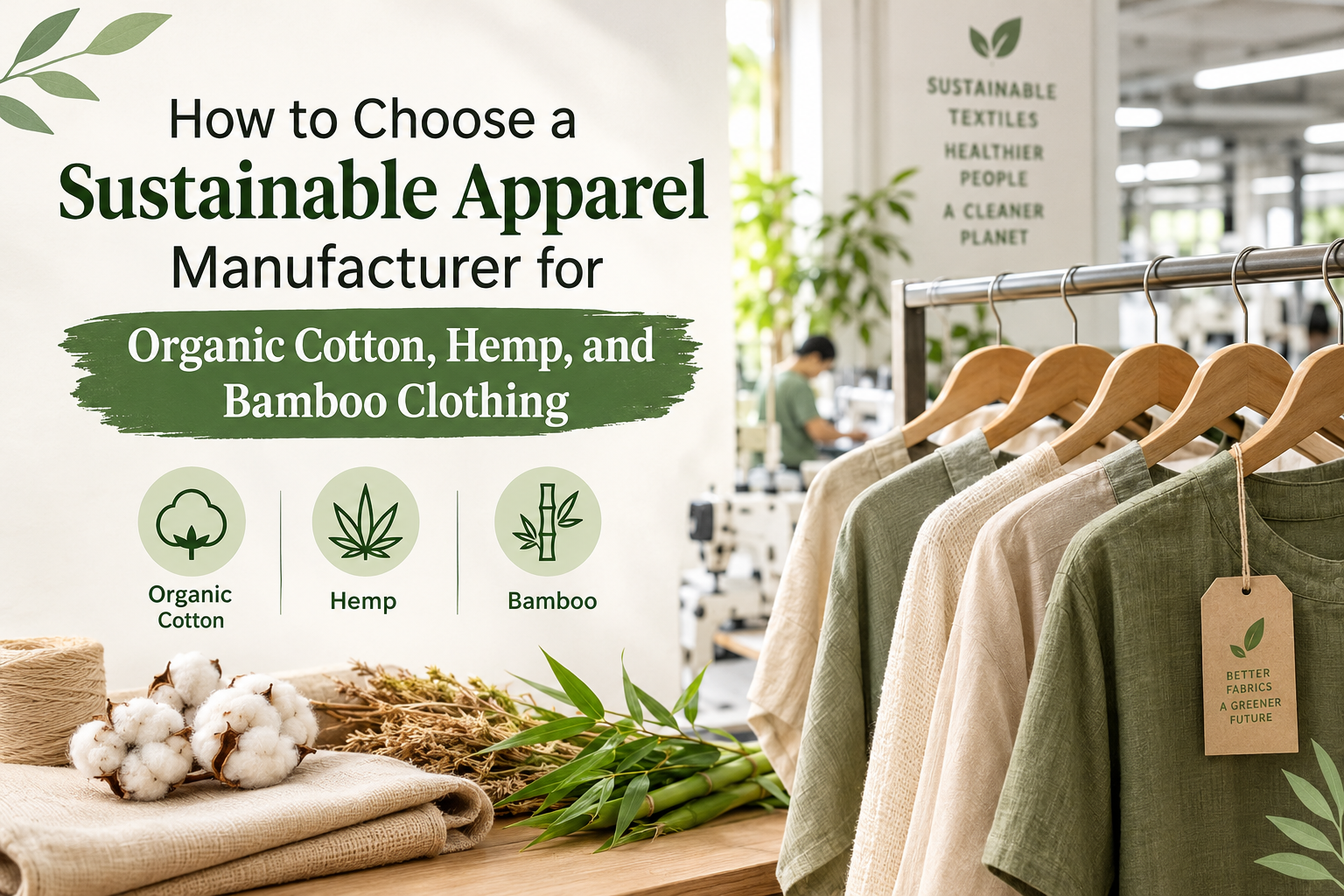
Bamboo-based textiles have gained attention because of their distinctive softness, lightweight feel, and versatility across different clothing categories. Bamboo-derived viscose and other bamboo-based textile materials are commonly used in apparel manufacturing, including T-shirts, leggings, loungewear, and selected activewear products. These fabrics can provide a smooth texture against the skin, making them appealing for garments designed for movement and extended wear. Clothing brands are exploring bamboo fabrics as an alternative to conventional textile options when developing collections that focus on comfort and everyday usability.
Another reason behind the growing interest is the changing direction of the fashion industry. Modern apparel businesses are increasingly evaluating material choices, manufacturing processes, and product transparency when planning new collections. Bamboo-based fabrics offer brands another material option to consider when developing lifestyle and performance-inspired clothing. However, the actual performance of a garment depends on the specific fabric construction, fibre composition, stretch characteristics, and garment design. This makes working with a knowledgeable manufacturer important for selecting the appropriate material for each activewear product.
Key Benefits of Using Bamboo Fabric for Activewear Collections
Bamboo-derived fabrics are valued for their soft hand feel and comfortable wearing experience. These characteristics make them suitable for clothing categories where fabric-to-skin contact is important, such as yoga leggings, workout tops, lounge sets, and everyday athleisure. Depending on the fabric construction, bamboo-based textiles can also offer a lightweight drape and smooth finish that supports contemporary garment designs. For clothing brands, these properties provide opportunities to create collections that combine casual styling with functional clothing requirements.
Fabric selection should always be based on the intended use of the garment. Activewear designed for high-intensity workouts may require specific moisture-management, stretch-recovery, durability, and compression characteristics that are not guaranteed by bamboo content alone. Brands should evaluate fabric blends, GSM, elastane percentage, knitting construction, and testing results before approving production. A well-developed fabric specification helps manufacturers produce garments that match the intended customer experience and product requirements.
Why Clothing Brands Are Exploring Bamboo Activewear in the USA
The United States has a diverse activewear market covering fitness apparel, yoga clothing, running outfits, athleisure, and everyday sports-inspired fashion. Customers increasingly look for garments that can transition between different activities, such as exercising, travelling, relaxing, and casual outings. This has encouraged clothing businesses to explore fabric choices that support comfort, appearance, and versatility. Bamboo-based textiles are becoming part of this conversation as brands look for alternative materials for selected apparel collections.
For businesses planning to enter this category, finding a suitable Bamboo Activewear Manufacturer USA is an important consideration. Manufacturers help brands translate product ideas into finished garments through fabric development, pattern making, sampling, stitching, finishing, and quality inspection. Companies should assess whether a manufacturing partner can work with the required bamboo fabric composition, stretch blends, product specifications, and custom design requirements. Echo Earth focuses on export-oriented apparel manufacturing and understands the importance of aligning material selection and production capabilities with the needs of international clothing brands.
Choosing the Right Bamboo Clothing Manufacturer USA for Your Brand
Selecting a reliable manufacturing partner can directly influence the quality, consistency, and scalability of an activewear collection. A professional Bamboo Clothing Manufacturer USA should be evaluated on more than product pricing. Clothing brands should understand the manufacturer’s experience with bamboo-based fabrics, available textile blends, garment construction methods, sampling capabilities, and quality assurance procedures. These factors help determine whether the manufacturer can meet the technical and commercial requirements of a particular collection.
Before finalising a production partner, brands should discuss their intended product categories, target customers, fabric preferences, size range, and order quantities. It is also useful to request fabric samples, garment prototypes, and details about production timelines. For activewear, additional considerations include stretch recovery, seam construction, opacity, colourfastness, shrinkage, and resistance to repeated washing. These checks help brands identify potential issues before moving into bulk production.
Echo Earth supports international apparel businesses through manufacturing solutions designed around their product requirements. From material selection to garment development and export coordination, a structured manufacturing process can help clothing brands manage their product development more efficiently. Businesses looking to develop bamboo-based clothing collections should prioritise clear specifications, consistent communication, and quality-focused production practices.
Bamboo Activewear Wholesale USA: Opportunities for Retailers and Fashion Businesses
Wholesale sourcing is an important part of the activewear business model, particularly for retailers and clothing brands planning to introduce multiple product styles. Bamboo Activewear Wholesale USA is a relevant search category for businesses exploring suppliers and manufacturing partners for bamboo-based apparel collections. Wholesale production can support the development of coordinated product ranges, including leggings, sports bras, yoga tops, workout T-shirts, shorts, and athleisure sets.
For retailers, choosing the right wholesale partner involves evaluating product quality, available fabric options, customisation services, minimum order quantities, production capacity, and delivery arrangements. Businesses should also understand whether a supplier provides ready-made garments, made-to-order production, private-label manufacturing, or complete OEM and ODM services. These distinctions are important because different brands have different requirements for design ownership, branding, packaging, and product development.
A well-planned wholesale collection should offer a consistent product identity while addressing different customer preferences. For example, a brand may develop a core range of neutral-coloured leggings and sports bras alongside seasonal activewear tops and coordinated sets. By working with an experienced manufacturing partner, businesses can explore fabric combinations, garment finishes, and product specifications that align with their market positioning.
How Bamboo Fabric Supports Modern Yoga and Fitness Clothing
Yoga and fitness clothing requires a balance of comfort, flexibility, fit, and durability. Garments should allow the wearer to move freely without creating unnecessary discomfort or restricting movement. Bamboo-derived fabrics can be considered for selected yoga and lifestyle apparel because of their soft texture and smooth drape. When combined with suitable stretch fibres, they can be developed into garments designed for activities that require flexibility and comfortable movement.
Yoga leggings, fitted tops, sports bras, loose workout T-shirts, and lightweight lounge sets are some product categories brands may explore using bamboo-based fabric blends. However, the suitability of a fabric depends on the activity and garment construction. For example, yoga leggings require adequate opacity, stretch recovery, and dimensional stability, while high-impact sports bras require appropriate support, elastic performance, and secure construction.
Brands should work with manufacturers to test fabric samples and finished garments before bulk production. Evaluating fit, movement, stitching, wash performance, and fabric recovery helps ensure that the final products meet the intended design requirements. This product-development approach can help activewear businesses create more reliable collections.
Custom Bamboo Activewear Manufacturing for Private-Label Brands
Private-label manufacturing allows clothing businesses to develop products under their own brand identity rather than relying entirely on generic ready-made garments. This model is particularly useful for fashion startups, established retailers, fitness apparel businesses, and online clothing brands looking to build distinctive product collections. Custom manufacturing can include fabric selection, colour development, garment patterns, sizing, stitching details, labels, and packaging.
Bamboo-based fabrics provide another material option for brands developing customised activewear collections. Businesses can explore different textile compositions depending on the intended garment performance and design. For example, a brand may prefer a bamboo-derived fabric blend for comfortable yoga wear while selecting a different technical textile for high-intensity sportswear. This allows manufacturers and brands to develop product-specific solutions rather than using one fabric for every category.
Echo Earth works with export-focused apparel requirements and understands the importance of sampling, customisation, and product development for international brands. From initial design concepts to production planning, private-label manufacturing can help businesses create collections that reflect their brand positioning and target audience.
Bamboo Activewear vs Cotton Activewear: Understanding the Differences
Bamboo-based fabrics and cotton are both used in clothing manufacturing, but their characteristics can differ depending on fibre processing, yarn construction, fabric weight, and finishing. Cotton is widely used because of its familiar texture, versatility, and availability across different textile categories. Bamboo-derived viscose is often appreciated for its smooth, soft feel and fluid drape. Both materials can be suitable for different apparel applications depending on the intended design.
For activewear, brands should consider the actual performance requirements rather than selecting a fabric based only on its fibre name. Factors such as stretch, moisture management, drying time, breathability, abrasion resistance, and dimensional stability should be evaluated. Some bamboo-based fabrics may feel comfortable for everyday movement and yoga-inspired clothing, while cotton blends may be more appropriate for casual workout T-shirts or relaxed-fit apparel.
A fabric comparison should ideally include physical samples and performance testing. This helps clothing brands make decisions based on measurable characteristics and garment requirements instead of general marketing claims.
Important Factors to Consider Before Ordering Bamboo Activewear
Before placing a manufacturing order, clothing brands should establish clear product specifications. Fabric composition is one of the most important details because bamboo-derived textiles are available in different constructions and blends. Buyers should confirm whether the fabric contains bamboo viscose, bamboo lyocell, or another specified fibre type, along with any additional materials such as cotton, polyester, or elastane. Understanding the composition helps businesses communicate accurate product information to customers.
Other important considerations include GSM, fabric width, stretch percentage, colour options, shrinkage, pilling resistance, and washing performance. Garment-level details such as stitching quality, waistband construction, seam placement, fit, and finishing should also be discussed with the manufacturer. For brands selling in the USA, consistent sizing, accurate labelling, and appropriate product documentation are particularly important.
Sampling should be treated as an essential part of the manufacturing process. A pre-production sample allows brands to review the garment’s fit, fabric feel, construction, and overall appearance before approving bulk manufacturing. Proper planning at this stage can reduce production issues and improve consistency across the final collection.
The Role of OEM and ODM Services in Bamboo Activewear Manufacturing
OEM and ODM manufacturing models offer different ways for clothing brands to develop their collections. Original Equipment Manufacturing (OEM) generally involves producing garments according to the buyer’s designs, specifications, and requirements. Original Design Manufacturing (ODM) involves manufacturers providing existing or developed design options that businesses can adapt for their own collections.
For brands entering the bamboo activewear market, these models can offer different advantages. OEM production is suitable for businesses that already have established designs, technical packs, and detailed garment specifications. ODM can be useful for brands that need support with design development, product selection, or adapting existing styles to their brand identity.
Echo Earth provides an export-oriented manufacturing approach for apparel businesses exploring custom product development and private-label production. Choosing between OEM and ODM depends on a brand’s internal design capabilities, production requirements, and desired level of customisation.
Why Fabric Quality and Manufacturing Standards Matter
The success of an activewear collection depends on the relationship between fabric quality and garment construction. Even a suitable fabric can produce disappointing results if the stitching, pattern, sizing, or finishing is not properly managed. This is why clothing brands should evaluate manufacturing standards throughout the production process rather than focusing only on the initial fabric sample.
Important quality checks may include fabric inspection, shade matching, measurement verification, seam strength, stretch recovery, shrinkage testing, and final garment inspection. For leggings and fitted activewear, opacity and fit consistency are particularly important. For sports bras and fitted tops, elastic performance and secure construction should be evaluated.
A structured quality-control process helps manufacturers identify inconsistencies and maintain product specifications across different production batches. For brands selling in competitive international markets, these processes can contribute to customer satisfaction and stronger product reliability.
How Echo Earth Supports International Activewear Brands
Echo Earth focuses on export-oriented apparel manufacturing for international clothing businesses looking for product development and production solutions. As brands explore new fabric categories and expand their activewear collections, manufacturing support becomes important for translating ideas into commercially suitable products. A coordinated approach to sampling, fabric selection, customisation, and production can help businesses manage their apparel development requirements.
For brands researching Bamboo Activewear USA, the right manufacturing partner should understand the importance of fabric specifications, garment performance, design consistency, and international buyer expectations. Echo Earth works with apparel development requirements that support private-label and custom clothing projects, helping brands explore different materials and garment categories according to their product concepts.
Whether a business is planning yoga wear, fitness-inspired clothing, leggings, workout tops, or coordinated athleisure collections, a clear development process can make production more organised. Echo Earth aims to support international brands with manufacturing solutions that bring together material selection, product development, and export-focused production planning.
Future Trends in Bamboo-Based Activewear Manufacturing
The activewear market is likely to continue evolving through fabric innovation, changing consumer preferences, improved garment construction, and growing interest in material transparency. Brands are exploring different textile blends and manufacturing approaches to create clothing that suits a wider range of activities and lifestyles. Bamboo-derived fabrics may continue to find applications in selected comfort-focused and lifestyle apparel categories as manufacturers develop new fabric constructions.
Another important development is the growing demand for customisation and smaller, carefully planned product collections. New fashion brands and established retailers are increasingly interested in flexible manufacturing arrangements that allow them to test product concepts, develop private-label ranges, and respond to changing market demand. Sampling, low MOQ options where available, and efficient production planning can therefore become important considerations when choosing an apparel manufacturing partner.
For international brands, the future of activewear manufacturing will also depend on transparent material information and dependable quality standards. Businesses that combine suitable fabric choices with thoughtful product development and responsible communication can build stronger relationships with their customers.
Conclusion
Bamboo fabric is attracting attention in the activewear industry because of its soft texture, lightweight feel, and versatility across selected clothing categories. As fashion brands explore new materials for yoga wear, leggings, workout tops, and athleisure collections, bamboo-derived fabrics provide another option for developing comfort-focused apparel. However, successful activewear manufacturing requires more than fabric selection. Stretch performance, durability, garment construction, quality control, and product testing all play important roles in creating reliable collections.
For businesses searching for a Bamboo Activewear Manufacturer USA, Bamboo Clothing Manufacturer USA, or Bamboo Activewear Wholesale USA, selecting a manufacturing partner that understands customisation and international production requirements is essential. Echo Earth supports export-oriented apparel manufacturing and private-label development for brands looking to explore different fabric and product possibilities. By focusing on suitable materials, clear product specifications, and quality-conscious manufacturing processes, clothing businesses can develop activewear collections aligned with modern market expectations.