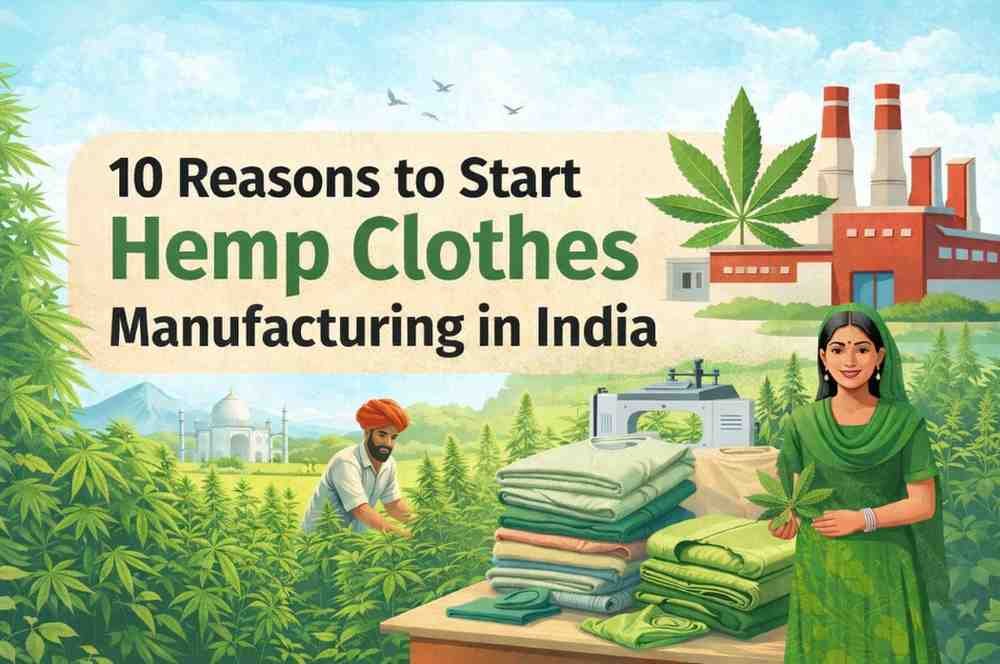




Sustainability has become a defining factor in the modern fashion industry, and hemp is emerging as one of the most responsible textile choices available today. With growing awareness about environmental impact, consumers and brands alike are turning towards eco-friendly fabrics that support ethical sourcing and long-term ecological balance. Hemp Clothing Manufacturing plays a crucial role in this transition by offering a natural, durable, and low-impact alternative to conventional textiles.
At Echo Earth, sustainability is not just a concept but a complete process that starts from the farm and continues through production, distribution, and consumption. A sustainable supply chain in hemp clothing ensures transparency, reduces carbon footprint, and promotes fair labor practices. This blog explores how a responsible supply chain strengthens Hemp Clothing in India and positions it as a global leader in ethical fashion.
Understanding Sustainable Supply Chains in Hemp Clothing Manufacturing
A sustainable supply chain in hemp clothing manufacturing focuses on minimizing environmental impact while maximizing social and economic benefits. This includes responsible cultivation, energy-efficient processing, ethical labor practices, and eco-conscious logistics. Unlike conventional fabrics, hemp requires minimal water, no harmful pesticides, and enriches soil health, making it ideal for sustainable textile production.
In Hemp Clothing Manufacturing in India, supply chain sustainability also means supporting local farmers, traditional craftsmanship, and regional economies. At Echo Earth, every stage of production is evaluated to ensure minimal waste, reduced emissions, and long-term environmental responsibility.
Sustainable Hemp Farming as the Foundation
The foundation of any sustainable hemp clothing supply chain begins with ethical and organic farming practices. Hemp grows rapidly, absorbs large amounts of carbon dioxide, and regenerates soil nutrients, making it one of the most eco-friendly crops available. Sustainable farming avoids chemical fertilizers and promotes biodiversity, ensuring long-term agricultural viability.
India’s climatic diversity makes it ideal for hemp cultivation, contributing significantly to Hemp Clothing in India. Echo Earth partners with responsible growers who follow environmentally sound farming methods, ensuring the raw material is as sustainable as the final garment.
Eco-Friendly Fiber Processing and Manufacturing
After harvesting, hemp fibers undergo processing to transform them into usable textiles. Sustainable hemp clothing manufacturing emphasizes mechanical and low-impact processing techniques rather than chemical-intensive methods. This reduces water pollution, energy consumption, and harmful waste output.
The Best Hemp Clothing Manufacturing in India prioritizes clean technologies, renewable energy usage, and waste reduction systems. At Echo Earth, fiber processing is designed to preserve fabric strength while minimizing environmental damage, ensuring high-quality textiles that align with sustainability goals.
Ethical Labor Practices and Social Responsibility
A truly sustainable supply chain extends beyond environmental concerns to include social responsibility. Ethical labor practices ensure fair wages, safe working conditions, and respect for workers’ rights throughout the manufacturing process. Hemp clothing manufacturing often supports artisan communities and skilled workers, preserving traditional textile knowledge.
In Hemp Clothing Manufacturing in India, ethical employment plays a key role in strengthening rural livelihoods. Echo Earth is committed to fair trade principles, ensuring that every individual involved in production benefits from transparent and respectful working relationships.
Sustainable Dyeing and Finishing Techniques
Dyeing and finishing processes are often the most polluting stages of textile manufacturing. Sustainable hemp clothing production focuses on natural dyes, low-water techniques, and non-toxic finishes to reduce environmental impact. These methods not only protect ecosystems but also result in skin-friendly, breathable garments.

At Echo Earth, we integrate eco-conscious finishing processes that enhance fabric durability while maintaining environmental integrity. This approach reinforces India’s position as a leader in Best Hemp Clothing Manufacturing in India.
Waste Reduction and Circular Fashion Practices
Waste management is a critical aspect of a sustainable hemp supply chain. Fabric scraps, wastewater, and production residues are carefully managed through recycling, reuse, or upcycling strategies. Circular fashion principles encourage longer garment life cycles and reduced landfill waste.
Hemp clothing naturally supports circular fashion due to its durability and biodegradability. Echo Earth designs Hemp Clothing in India with longevity in mind, ensuring garments can be reused, recycled, or returned to nature with minimal environmental harm.
Sustainable Packaging and Eco-Friendly Logistics
Sustainability extends beyond manufacturing to packaging and transportation. Eco-friendly packaging materials, reduced plastic use, and optimized logistics significantly lower carbon emissions. Sustainable brands focus on minimal packaging and energy-efficient transportation methods.
Echo Earth ensures that packaging solutions align with our commitment to sustainability. By optimizing supply routes and using recyclable materials, we strengthen the overall sustainability of Hemp Clothing Manufacturing in India.
Transparency and Traceability in the Supply Chain
Transparency builds trust in sustainable fashion. Consumers increasingly demand to know where their clothing comes from and how it is made. A transparent supply chain provides traceability from farm to finished garment, ensuring accountability at every stage.
At Echo Earth, we prioritize clear communication about sourcing, production, and sustainability efforts. This transparency positions us among leaders in Best Hemp Clothing Manufacturing in India, offering consumers confidence in ethical and responsible fashion choices.
The Future of Sustainable Hemp Clothing in India
India is uniquely positioned to become a global hub for sustainable hemp textiles due to its agricultural expertise, skilled workforce, and growing eco-conscious market. With increasing demand for ethical fashion, sustainable supply chains will define the future of Hemp Clothing Manufacturing in India.
Echo Earth continues to innovate by adopting advanced sustainable practices, supporting local communities, and promoting responsible consumption. As awareness grows, hemp clothing will play a pivotal role in shaping a greener and more ethical fashion industry.
Final Thoughts
A sustainable supply chain is the backbone of responsible fashion, and hemp clothing manufacturing exemplifies how textiles can be produced without harming the planet or people. From eco-friendly farming to ethical labor and transparent processes, every step contributes to a cleaner and more conscious industry.
At Echo Earth, sustainability guides every decision we make. By strengthening Hemp Clothing in India through responsible practices, we aim to inspire change and create a future where fashion supports both environmental health and human well-being.