

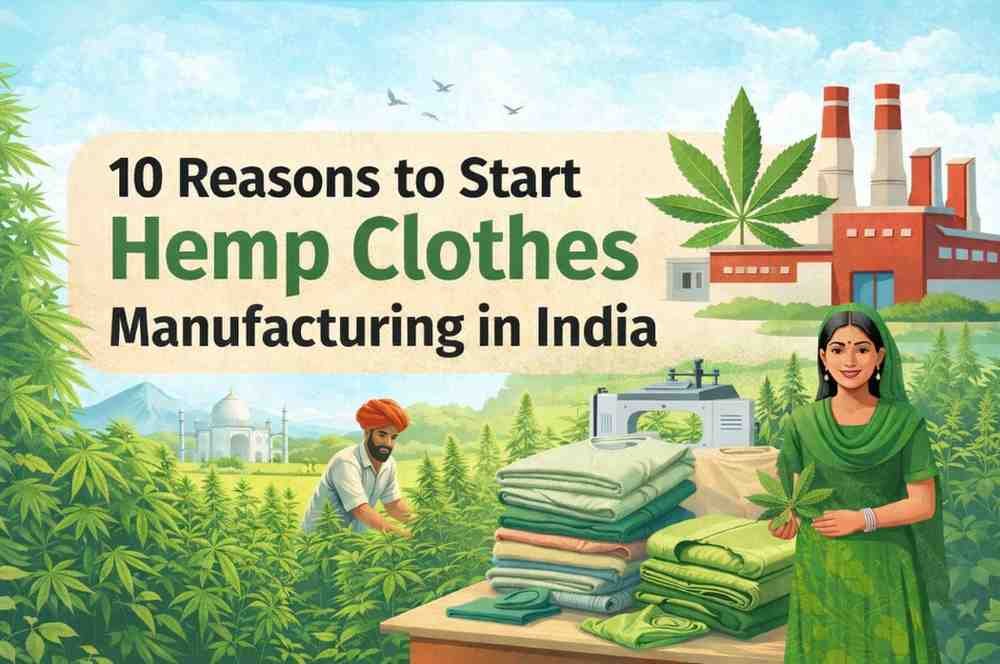
The global fashion industry is undergoing a powerful transformation. Consumers are becoming more conscious about what they wear, how it is made, and the environmental impact behind it. In this shift toward sustainability, Hemp Fabric has emerged as one of the most promising alternatives to conventional textiles. Known for its durability, breathability, and low environmental footprint, hemp is steadily gaining recognition in both domestic and international markets.
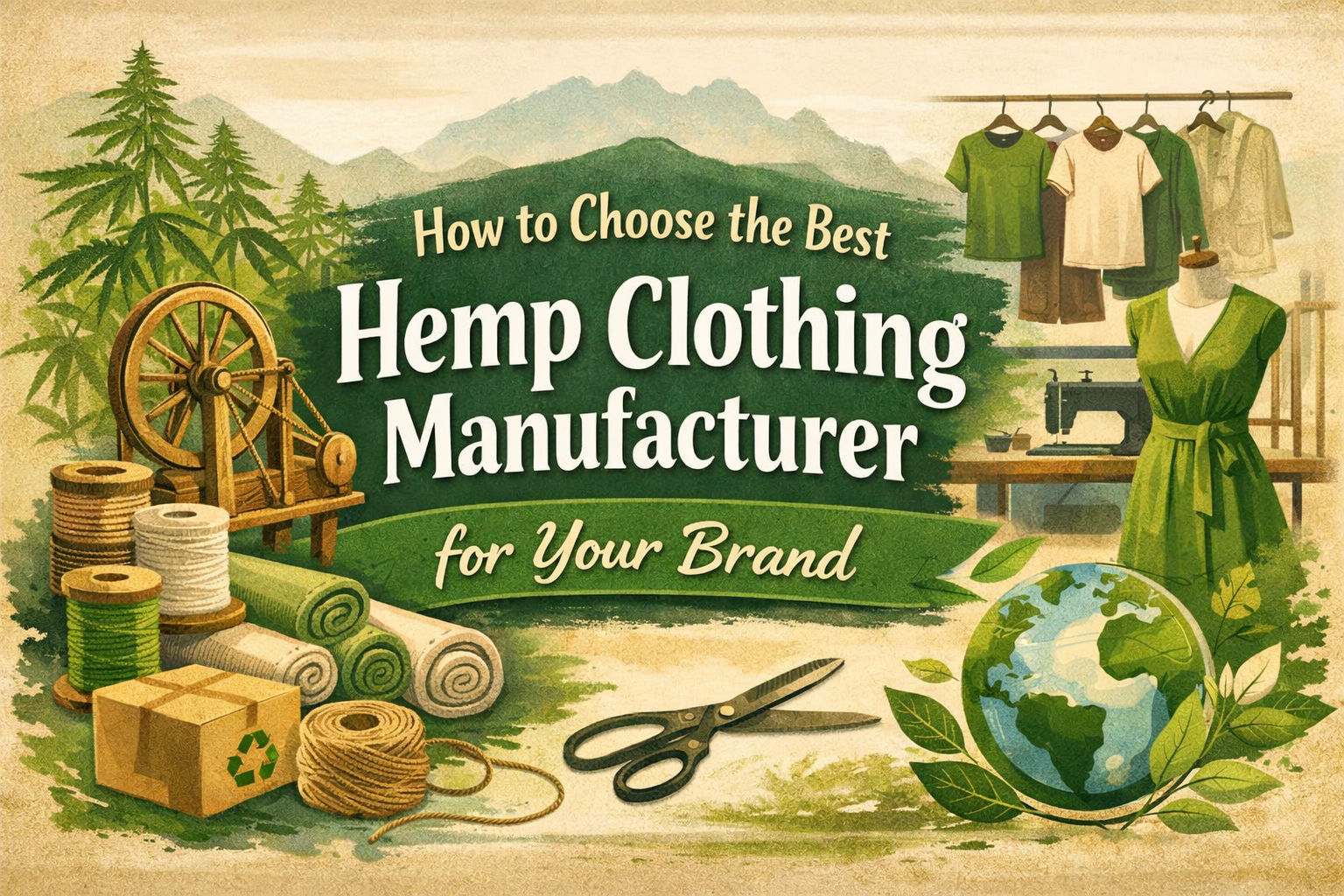
In India, where agriculture and textiles form the backbone of the economy, Hemp Clothes Manufacturing in India presents a significant business opportunity. With increasing awareness around Sustainable Textile India initiatives and rising demand for eco-friendly apparel, entrepreneurs can build a profitable and responsible Hemp Clothing Business. At Echo earth, we believe hemp is not just a fabric—it is the future of sustainable fashion. Below are ten strong reasons why starting hemp clothing manufacturing in India is a smart and forward-thinking decision.
1. Rising Demand for Sustainable Fashion
Consumers today prefer brands that align with environmental values. The demand for sustainable clothing is growing across urban India and global markets. Hemp-based garments appeal to eco-conscious buyers who seek durability and ethical production. This rising trend creates long-term growth potential for hemp manufacturers.
2. Environmentally Friendly Production
One of the biggest advantages of Hemp Fabric is its minimal environmental impact. Hemp requires significantly less water than cotton and grows without heavy pesticide use. It also improves soil health by replenishing nutrients. For a country facing water scarcity and soil degradation, hemp cultivation supports sustainable agricultural practices.
3. Strong and Durable Fiber
Hemp is one of the strongest natural fibers available. Clothing made from hemp lasts longer compared to many conventional fabrics. Durability reduces fast fashion waste and encourages mindful consumption. For manufacturers, this quality enhances brand reputation and customer satisfaction.
4. Expanding Policy Support
Several Indian states have begun permitting industrial hemp cultivation under regulated conditions. This policy shift reflects a growing recognition of hemp’s economic and environmental potential. As regulations evolve, Hemp Clothes Manufacturing in India is becoming more structured and accessible for entrepreneurs.
5. Export Opportunities
Global markets such as Europe, the United States, and Australia are actively seeking sustainable textile alternatives. India already has a strong export ecosystem in textiles. By integrating hemp into production lines, manufacturers can tap into premium international markets and diversify revenue streams.
6. Versatility of Hemp Fabric
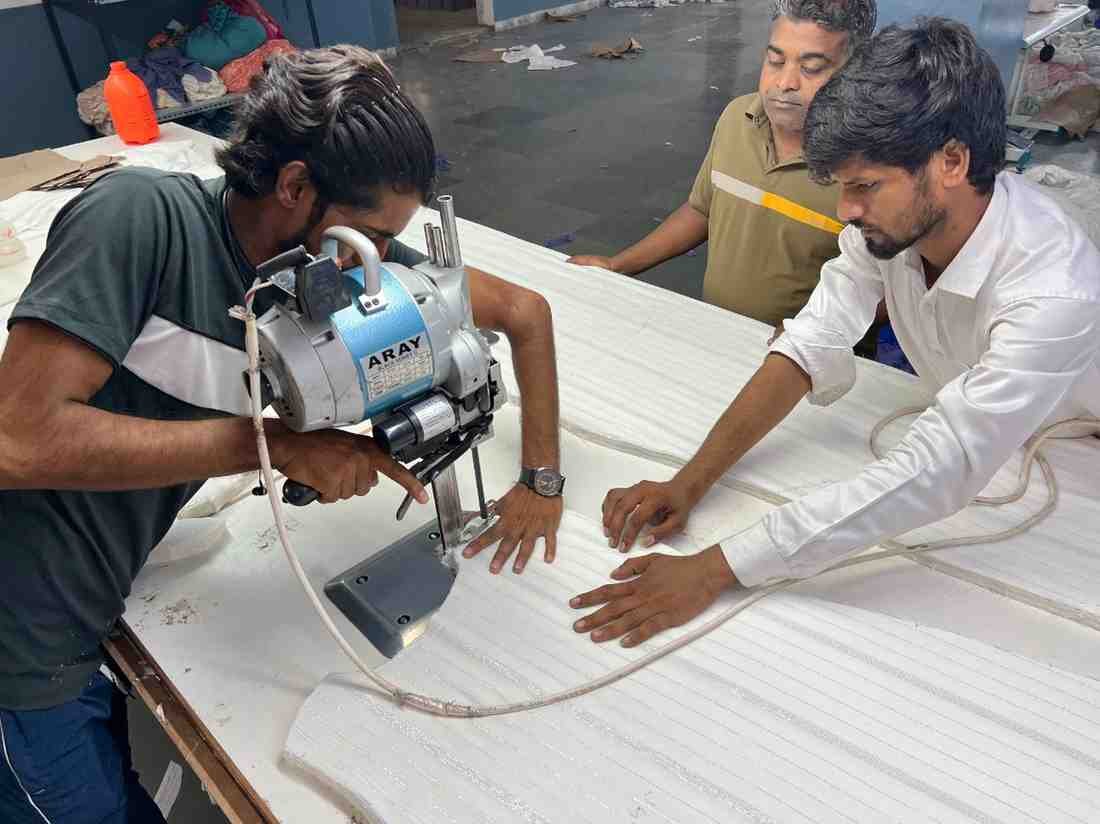
Modern processing technologies have transformed hemp into a soft, breathable, and stylish material. It can be blended with cotton, silk, or recycled fibers to create premium apparel. From shirts and dresses to jackets and activewear, hemp offers versatility across multiple fashion categories.
7. Suitable for Indian Climate
Hemp is well-suited for India’s diverse climatic conditions. It grows quickly and adapts to different soil types. Additionally, hemp garments are breathable and moisture-wicking, making them ideal for hot and humid weather. This practical advantage increases domestic consumer appeal.
8. Lower Carbon Footprint
Hemp plants absorb large amounts of carbon dioxide during growth. Compared to conventional textile crops, hemp contributes to lower greenhouse gas emissions. For brands aligned with Sustainable Textile India, hemp offers measurable environmental benefits that strengthen sustainability claims.
9. Premium Market Positioning
Sustainable fashion is increasingly associated with quality and responsibility. Hemp garments often command premium pricing due to their eco-friendly appeal and durability. A well-positioned Hemp Clothing Business can attract conscious consumers willing to invest in ethical products.
10. Growing Investment Interest
Investors and venture capital firms are actively exploring green and sustainable startups. The textile sector is evolving toward circular and environmentally responsible production models. Hemp-based manufacturing aligns perfectly with this investment trend, offering scalability and innovation potential.
Business Potential and Long-Term Growth
Starting Hemp Clothes Manufacturing in India requires careful planning, including sourcing certified raw material, investing in appropriate machinery, and understanding regulatory compliance. While initial awareness about hemp apparel is still developing, education-driven marketing strategies can bridge this gap.
India’s skilled workforce, established textile infrastructure, and expanding digital marketplace provide a strong foundation for growth. By combining sustainability with quality manufacturing standards, businesses can build credibility in both domestic and export markets. Echo earth promotes responsible innovation, ensuring that Hemp Fabric is processed ethically and transparently.
From a profitability standpoint, hemp apparel can offer competitive margins due to its premium positioning. As supply chains mature and consumer awareness increases, economies of scale will further strengthen cost efficiency.
Challenges to Consider
Although promising, hemp manufacturing comes with challenges such as regulatory clarity, raw material availability, and limited processing facilities in certain regions. However, these barriers are gradually being addressed through policy improvements and private sector participation.
Entrepreneurs entering this sector should prioritize compliance, transparent sourcing, and product quality. Building trust through certifications and sustainability reporting enhances credibility and aligns with global best practices.
Conclusion
The shift toward eco-conscious living is no longer temporary—it is a structural transformation in consumer behavior. Hemp Fabric offers environmental sustainability, durability, and commercial potential. With expanding awareness around Sustainable Textile India and increasing global demand, Hemp Clothes Manufacturing in India stands at the intersection of profitability and responsibility.
For entrepreneurs seeking long-term growth in the textile industry, a Hemp Clothing Business represents innovation aligned with environmental stewardship. With the right strategy, compliance, and commitment to quality, hemp manufacturing can become a cornerstone of India’s sustainable fashion future. Echo earth remains dedicated to advancing this mission by promoting ethical production and responsible textile innovation.
Frequently Asked Questions (FAQ)
1. Is hemp fabric comfortable for everyday wear?
Yes. Modern processing techniques make hemp fabric soft, breathable, and suitable for daily clothing.
2. Is hemp cultivation legal in India?
Industrial hemp cultivation is permitted in certain states under regulated licensing frameworks. Businesses must comply with local laws.
3. Is starting a Hemp Clothing Business profitable?
With growing demand for sustainable products and premium pricing potential, hemp clothing manufacturing can be profitable when managed strategically.
4. How does hemp support Sustainable Textile India initiatives?
Hemp requires less water, fewer chemicals, and absorbs carbon dioxide, making it a strong contributor to sustainable textile development.